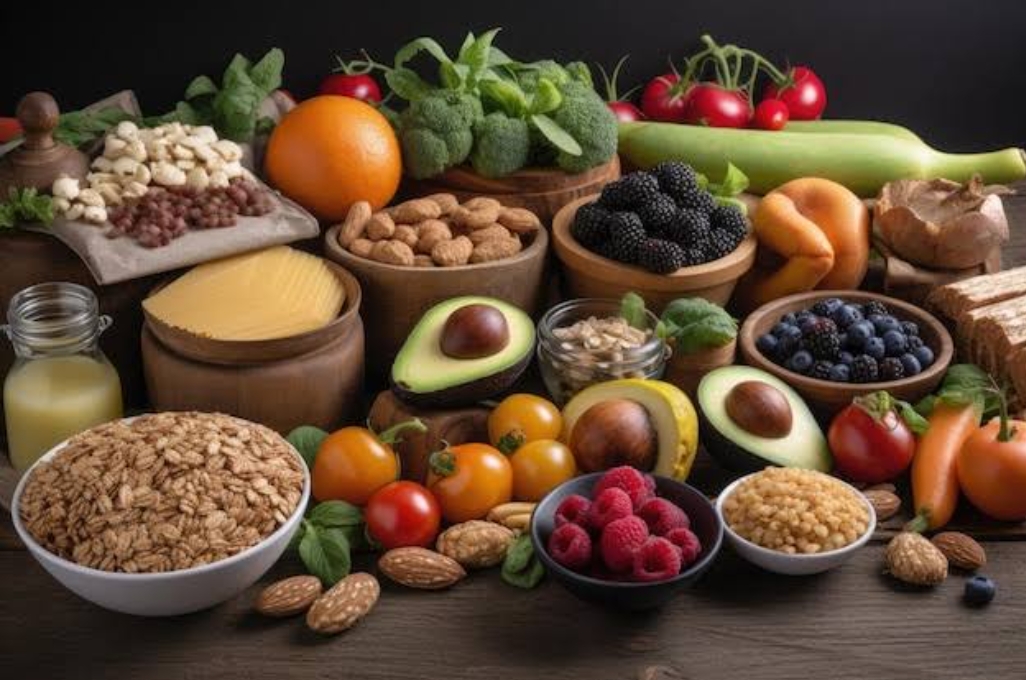

Brinjal Health Benefits
Brinjal, commonly known as eggplant or aubergine, is a popular vegetable widely used in Indian, Mediterranean, and Asian cuisines. From spicy curries and bharta to grilled and roasted dishes, brinjal is valued not only for its taste but also for its impressive health benefits. Packed with essential nutrients, antioxidants, and fiber, brinjal plays an important role in supporting overall health and wellness.
In this blog, we will explore the health benefits of brinjal, its nutritional value, and why adding it to your daily diet can be a smart choice.
Table of Contents
Nutritional Value of Brinjal
Brinjal is a low-calorie, nutrient-dense vegetable, making it ideal for people of all age groups. It contains:
- Dietary fiber
- Vitamins such as B1, B6, and folate
- Minerals like potassium, magnesium, and manganese
- Powerful antioxidants such as nasunin and chlorogenic acid
Because of its high water content and minimal fat, brinjal is perfect for weight-conscious diets.

Top Health Benefits of Brinjal
1. Supports Heart Health
Brinjal is rich in fiber, potassium, and antioxidants, which help reduce bad cholesterol (LDL) levels. Lower cholesterol levels improve blood circulation and reduce the risk of heart disease. The presence of flavonoids also helps regulate blood pressure.
2. Helps Control Blood Sugar Levels
Brinjal has a low glycemic index and is rich in fiber, which slows down sugar absorption in the blood. This makes it an excellent vegetable for people with diabetes when consumed in a healthy, low-oil preparation.
3. Aids in Weight Loss
Being low in calories and high in fiber, brinjal keeps you full for longer periods. It reduces unnecessary snacking and supports healthy weight management. Including steamed or roasted brinjal in meals can be beneficial for those trying to lose weight.
4. Improves Digestion
The dietary fiber in brinjal promotes smooth digestion and prevents common digestive problems such as constipation and bloating. Fiber also supports gut health by encouraging the growth of beneficial bacteria.
Also Read:Top 9 Broccoli Health Benefits
5. Rich in Antioxidants
Brinjal skin contains nasunin, a powerful antioxidant that protects body cells from oxidative stress. Antioxidants help slow aging, reduce inflammation, and lower the risk of chronic diseases.
6. Boosts Brain Health
Nasunin also plays a role in protecting brain cell membranes from damage. Regular consumption of brinjal may help improve memory and cognitive function, especially in older adults.
7. Supports Bone Health
Brinjal contains minerals like calcium, magnesium, and manganese, which are essential for maintaining strong bones. These nutrients help prevent bone weakness and reduce the risk of osteoporosis.
8. Enhances Immunity
With a good amount of vitamins and antioxidants, brinjal strengthens the immune system and helps the body fight infections and illnesses.
Also Read:Top 10 Immunity Booster Drinks to Stay Healthy and Strong
9. Promotes Healthy Skin
The antioxidants and water content in brinjal help keep the skin hydrated and protect it from damage caused by free radicals. This contributes to healthy, glowing skin.
10. Supports Liver Health
Certain compounds in brinjal help protect liver cells and support detoxification. When cooked with minimal oil, brinjal can be beneficial for maintaining a healthy liver.
Best Ways to Consume Brinjal
- Roasted or grilled
- Steamed or lightly sautéed
- In curries with less oil
- As bharta, stir-fries, or soups
Avoid deep frying, as brinjal absorbs oil easily, which reduces its health benefits.
Conclusion
Brinjal is a nutritious, affordable, and versatile vegetable that offers numerous health benefits. From improving heart health and digestion to supporting weight loss and immunity, brinjal deserves a regular place in your diet. When prepared in healthy ways, this humble vegetable can significantly contribute to overall wellness.
Frequently Asked Questions (FAQ)
1. Is brinjal good for daily consumption?
Yes, brinjal is safe and beneficial for daily consumption when cooked properly and eaten in moderation.
2. Is brinjal good for diabetes?
Yes, brinjal helps control blood sugar levels due to its low glycemic index and high fiber content.
3. Does brinjal help in weight loss?
Yes, brinjal is low in calories and high in fiber, which supports weight loss.
4. Is brinjal good for heart patients?
Yes, brinjal helps reduce cholesterol and regulate blood pressure, making it heart-friendly.
5. Can brinjal cause acidity?
In some people, excessive consumption may cause acidity. Eating it in moderate amounts and well-cooked form is recommended.
6. Is brinjal skin healthy?
Yes, brinjal skin is rich in antioxidants like nasunin and should be eaten after proper washing.
Also Read:Brinjal (Baingan): Uses, Benefits, Side Effects and More!