

Health Benefits of Jackfruit
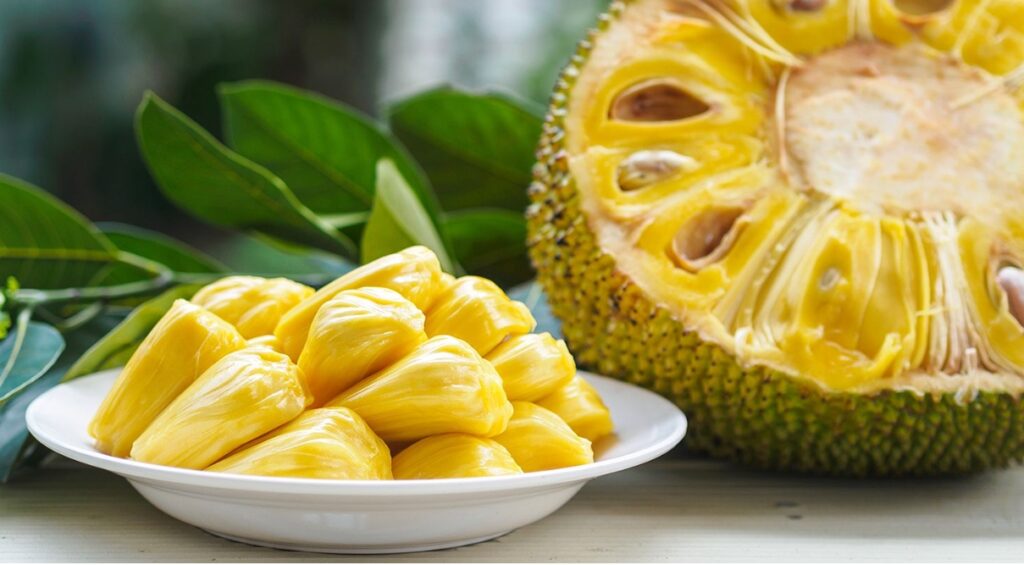
Jackfruit (Artocarpus heterophyllus) is one of the largest tree-borne fruits in the world and a popular tropical delicacy in many parts of Asia, including India. Known for its sweet flavour, meaty texture, and impressive nutritional profile, jackfruit has been used in traditional diets and medicines for centuries.
In recent years, it has gained global popularity as a healthy fruit and a plant-based meat alternative. Let’s explore the amazing health benefits of jackfruit and why it deserves a place in your daily diet.
Table of Contents
Here is a short and clear table on the nutritional value of jackfruit (raw), per 100 grams:
| Nutrient | Amount |
|---|---|
| Energy | 95 kcal |
| Carbohydrates | 23.2 g |
| Protein | 1.7 g |
| Fat | 0.6 g |
| Dietary Fiber | 1.5 g |
| Vitamin C | 13.7 mg |
| Vitamin A | 5 IU |
| Potassium | 448 mg |
| Calcium | 24 mg |
| Iron | 0.2 mg |
| Magnesium | 29 mg |
Rich in Essential Nutrients
Jackfruit is packed with essential vitamins and minerals that support overall health. It contains good amounts of vitamin C, vitamin A, potassium, magnesium, calcium, and iron. Vitamin C helps boost immunity and protects the body from infections, while vitamin A supports eye health and skin regeneration. The presence of B-complex vitamins like vitamin B6 supports brain function and metabolism.
Boosts Immunity Naturally
One of the key health benefits of jackfruit is its immune-boosting properties. Jackfruit is rich in antioxidants and vitamin C, which help fight free radicals and reduce oxidative stress in the body. Regular consumption can strengthen the immune system, making the body more resistant to common infections like colds and flu.
Improves Digestive Health
Jackfruit is an excellent source of dietary fiber, which plays a vital role in maintaining digestive health. Fiber helps prevent constipation, improves bowel movement, and supports healthy gut bacteria. Eating jackfruit regularly can help reduce digestive problems such as bloating, acidity, and indigestion.
Supports Heart Health
Jackfruit contributes to heart health due to its potassium and fiber content. Potassium helps regulate blood pressure by balancing sodium levels in the body, reducing the risk of hypertension. Dietary fiber helps lower bad cholesterol (LDL), which can reduce the risk of heart disease and stroke.
Also Read:Top 5 Fatty Liver Diet Plan: The Best Foods to Heal Your Liver Naturally
Helps in Blood Sugar Management
Despite its natural sweetness, jackfruit has a relatively low glycemic load when eaten in moderation. Its fiber content slows down the absorption of sugar into the bloodstream, helping maintain stable blood glucose levels. This makes jackfruit beneficial for people with diabetes when consumed in controlled portions and as part of a balanced diet.
Aids in Weight Management
Jackfruit can be a helpful addition to a weight-management diet. It is filling, high in fiber, and low in unhealthy fats. Fiber helps promote a feeling of fullness, reducing unnecessary snacking and overeating. Unripe jackfruit, often used as a vegetable, is especially popular among those following plant-based and weight-loss diets.
Also Read:Mango Pickle Benefits: Taste, Tradition, and Health in Every Bite
Promotes Healthy Skin and Hair
The antioxidants, vitamin C, and vitamin A present in jackfruit play a significant role in maintaining healthy skin and hair. Vitamin C supports collagen production, which keeps skin firm and youthful. Antioxidants help slow down aging by protecting skin cells from damage. Regular consumption may also strengthen hair roots and promote hair growth.
Strengthens Bones
Jackfruit contains important minerals like calcium, magnesium, and phosphorus that support bone strength and density. Magnesium helps the body absorb calcium efficiently, reducing the risk of bone-related disorders such as osteoporosis. Including jackfruit in your diet can contribute to stronger bones, especially as you age.
Plant-Based Protein Source
Jackfruit provides a small amount of plant-based protein, making it beneficial for vegetarians and vegans. While it is not a complete protein, when combined with other protein-rich foods like legumes or grains, it supports muscle health and tissue repair.
Versatile and Easy to Include in Diet
Jackfruit can be enjoyed in many forms—ripe, unripe, cooked, or raw. Ripe jackfruit is commonly eaten as a fruit or dessert ingredient, while unripe jackfruit is used in curries, stir-fries, and even as a meat substitute in vegan recipes. Jackfruit seeds are also edible and rich in nutrients when cooked.
Frequently Asked Questions (FAQ)
1. Is jackfruit good for diabetes?
Yes, jackfruit can be beneficial for people with diabetes when consumed in moderation. Its fiber content helps regulate blood sugar levels, but portion control is important.
2. Can jackfruit help with weight loss?
Yes, jackfruit’s high fiber content promotes fullness and helps control appetite, making it useful for weight management.
3. Is jackfruit good for digestion?
Absolutely. Jackfruit is rich in dietary fiber, which improves digestion and prevents constipation.
4. Are jackfruit seeds healthy?
Yes, jackfruit seeds are nutritious and contain protein, fiber, and minerals. They should be boiled or roasted before eating.
5. Can jackfruit improve immunity?
Yes, jackfruit contains vitamin C and antioxidants that strengthen the immune system and protect against infections.
6. Is jackfruit safe during pregnancy?
Jackfruit is generally safe during pregnancy when eaten in moderate amounts, but it’s best to consult a healthcare professional for personalized advice.