Your kidneys play a vital role in maintaining overall health. These bean-shaped organs filter waste products, balance fluids, regulate blood pressure, and help maintain healthy levels of minerals in the body. Eating a balanced diet rich in kidney-friendly foods can support kidney function and reduce the risk of kidney-related problems.
Whether you want to protect your kidneys or improve your overall health, including the right foods in your diet can make a significant difference. Here are some of the best foods for kidney health and how they benefit your body.
Table of Contents
Why Kidney Health Matters
Healthy kidneys remove toxins and excess water from the bloodstream, helping your body function properly. Poor dietary habits, high blood pressure, diabetes, obesity, and dehydration can put extra stress on the kidneys over time.
A kidney-friendly diet focuses on nutrient-dense foods that provide antioxidants, vitamins, minerals, and healthy fats while limiting excessive sodium, processed foods, and added sugars.
Top Foods for Kidney Health
1. Blueberries
Blueberries are packed with antioxidants, particularly anthocyanins, which help protect cells from oxidative stress. These berries are low in calories and rich in vitamin C and fiber.
Benefits:
Supports kidney cell health
Helps reduce inflammation
Promotes heart health, which is closely linked to kidney function
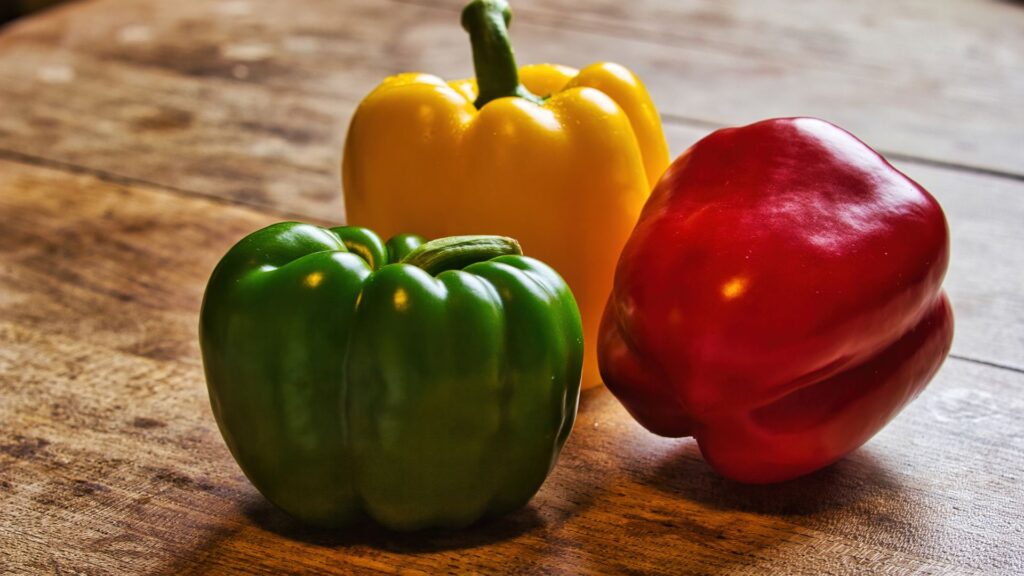
Red bell peppers are low in potassium and high in vitamins A, C, and B6. They also contain antioxidants that help protect kidney tissues from damage.
Benefits:
Rich in immune-boosting nutrients
Low in sodium
Supports healthy kidney function
3. Cabbage
Cabbage is a nutritious cruciferous vegetable loaded with fiber, vitamins K and C, and beneficial plant compounds. It is also low in potassium, making it a good choice for kidney-conscious diets.
Benefits:
Supports digestion
Helps reduce inflammation
Provides essential nutrients without overloading the kidneys
4. Garlic
Garlic adds flavor to meals without the need for extra salt. It contains sulfur compounds and antioxidants that may help reduce inflammation and support cardiovascular health.
Cauliflower is rich in vitamin C, fiber, and antioxidants. It also contains compounds that help the body detoxify naturally.
Benefits:
Supports waste removal
Promotes digestive health
Low in calories and kidney-friendly
6. Apples
Apples are high in fiber and anti-inflammatory compounds. Regular consumption may help lower cholesterol and support healthy blood sugar levels.
Benefits:
Supports heart and kidney health
Helps maintain healthy digestion
Provides natural antioxidants
7. Fatty Fish
Fish such as salmon, sardines, and mackerel are excellent sources of omega-3 fatty acids. These healthy fats help reduce inflammation and support cardiovascular health.
Cranberries are well known for supporting urinary tract health. They contain compounds that may prevent harmful bacteria from attaching to the urinary tract lining.
Benefits:
Supports urinary health
May reduce the risk of urinary tract infections
Provides antioxidants
9. Olive Oil
Olive oil is a healthy source of monounsaturated fats and antioxidants. It can be used as a replacement for unhealthy saturated fats.
Benefits:
Supports heart health
Helps reduce inflammation
Kidney-friendly cooking option
10. Egg Whites
Egg whites provide high-quality protein with less phosphorus than many other protein sources. This makes them a good choice for people looking to support kidney health.
Benefits:
Excellent protein source
Supports muscle maintenance
Lower mineral load on the kidneys
Other Ways to Improve Kidney Function Naturally
Maintaining a healthy weight: A healthy weight can help reduce blood pressure and manage blood sugar levels, all of which help improve kidney health. Getting regular exercise is an important part of maintaining kidney health.
Managing stress: Chronic stress can lead to high blood pressure and inflammation, which can damage kidney function over time. Practicing relaxation techniques, such as deep breathing, meditation, or mindfulness, can help reduce stress and support overall well-being.
Getting enough sleep: Poor sleep can negatively affect kidney function.
Importance of Staying Hydrated
Water is essential for kidney health. Proper hydration helps the kidneys remove waste products through urine and prevents the formation of kidney stones.
Most healthy adults should drink enough water throughout the day, though individual needs vary depending on age, climate, and activity level.
Hydration tips:
Drink water regularly throughout the day.
Increase fluid intake during hot weather.
Limit sugary drinks and excessive soda consumption.
Foods to Limit for Better Kidney Health
While many foods support kidney function, some may place additional strain on the kidneys when consumed excessively.
Food Type
Why Limit It
Processed foods
High in sodium and preservatives
Sugary beverages
May increase risk of obesity and diabetes
Excessive salt
Can raise blood pressure
Processed meats
Often high in sodium and additives
Fast foods
Usually high in unhealthy fats and sodium
Reducing these foods can help protect both kidney and heart health.
Lifestyle Tips for Healthy Kidneys
In addition to eating kidney-friendly foods, consider these habits:
Maintain a healthy body weight.
Exercise regularly.
Manage blood pressure and blood sugar levels.
Avoid smoking.
Limit alcohol consumption.
Get regular health checkups.
Stay adequately hydrated.
Combining healthy lifestyle choices with a balanced diet provides the best support for long-term kidney function.
Conclusion
A nutritious diet plays a major role in protecting kidney health. Foods such as blueberries, red bell peppers, cabbage, garlic, cauliflower, apples, fatty fish, cranberries, olive oil, and egg whites provide valuable nutrients that help support healthy kidney function. Along with proper hydration and a healthy lifestyle, these foods can contribute to stronger kidneys and better overall wellness.
By making smart dietary choices today, you can help keep your kidneys functioning efficiently for years to come.
Frequently Asked Questions (FAQ)
1. What is the best food for kidney health?
Blueberries, fatty fish, garlic, cabbage, and apples are among the best foods for supporting healthy kidneys due to their antioxidant and anti-inflammatory properties.
2. Is drinking water good for the kidneys?
Yes. Drinking enough water helps the kidneys remove waste products, maintain fluid balance, and reduce the risk of kidney stones.
3. Are bananas good for kidney health?
Bananas are nutritious, but they are relatively high in potassium. People with advanced kidney disease may need to limit potassium intake and should follow their healthcare provider’s advice.
4. Can kidney-friendly foods prevent kidney disease?
A healthy diet may help reduce risk factors such as high blood pressure, diabetes, and obesity, which can contribute to kidney disease.
5. Are eggs good for the kidneys?
Egg whites are considered kidney-friendly because they provide high-quality protein with lower phosphorus levels than many other protein sources.
6. What foods are hard on the kidneys?
Highly processed foods, excessive salt, sugary beverages, and processed meats can place extra stress on the kidneys when consumed regularly.
7. Is coffee bad for kidney health?
For most healthy individuals, moderate coffee consumption is generally safe. However, people with certain kidney conditions should consult their healthcare provider regarding caffeine intake.
8. How can I naturally keep my kidneys healthy?
Eat a balanced diet, stay hydrated, exercise regularly, manage blood pressure and blood sugar levels, avoid smoking, and attend regular medical checkups.
As winter arrives, so do chilly winds, dropping temperatures, and a greater risk of getting sick. While winter has its charm—cosy blankets, hot beverages, and…
When it comes to weight loss, the idea of a “magic pill” is incredibly appealing—and yet, unfortunately, reality is far more complex. If you’re looking…