
Spring onion, also known as green onion or scallion, is a popular vegetable used across cuisines worldwide. With its mild flavor, crisp texture, and vibrant green color, spring onion enhances the taste and appearance of many dishes—from salads and soups to stir-fries and garnishes.
Beyond its culinary appeal, spring onion is packed with essential nutrients and offers several impressive health benefits.
This humble vegetable is low in calories yet rich in vitamins, minerals, and antioxidants, making it an excellent addition to a healthy diet. Let’s explore the nutritional value and health benefits of spring onion in detail.
Table of Contents
Nutritional Value of Spring Onion
Spring onions are nutrient-dense and provide a variety of vitamins and minerals while being very low in calories.
They are rich in:
- Vitamin C
- Vitamin A (beta-carotene)
- Vitamin K
- Folate (Vitamin B9)
- Calcium
- Potassium
- Dietary fiber
- Antioxidants such as flavonoids and sulfur compounds
Because of this nutrient profile, spring onions support overall health and help prevent several chronic conditions.
Health Benefits of Spring Onion
1. Boosts Immunity
Spring onions are a good source of vitamin C and antioxidants, which help strengthen the immune system. Vitamin C stimulates the production of white blood cells, improving the body’s ability to fight infections, colds, and flu. Regular consumption can help reduce the duration and severity of seasonal illnesses.
2. Supports Heart Health
Spring onions contain sulfur compounds and flavonoids that help lower bad cholesterol (LDL) levels and reduce inflammation. Potassium present in spring onions helps regulate blood pressure by balancing sodium levels in the body. Together, these properties contribute to improved heart health and a reduced risk of cardiovascular diseases.
3. Aids Digestion
The dietary fiber in spring onions promotes healthy digestion by improving bowel movement and preventing constipation. Spring onions also stimulate digestive enzymes, which help the body absorb nutrients more efficiently. Their mild antibacterial properties can help maintain a healthy gut environment.
Also Read: Sea Buckthorn Oil Benefits
4. Helps Control Blood Sugar Levels
Spring onions have a low glycemic index and contain compounds that may improve insulin sensitivity. This makes them a beneficial food for people with diabetes or those trying to manage blood sugar levels naturally. Including spring onions in meals can help stabilize glucose spikes after eating.
5. Promotes Bone Health
Vitamin K and calcium found in spring onions play an important role in maintaining strong bones. Vitamin K helps improve calcium absorption and supports bone mineral density, reducing the risk of fractures and osteoporosis, especially in older adults.
6. Enhances Eye Health
Spring onions contain beta-carotene, which the body converts into vitamin A. Vitamin A is essential for maintaining good vision, preventing night blindness, and reducing the risk of age-related eye disorders. Antioxidants in spring onions also protect the eyes from oxidative stress.
7. Supports Weight Management
Low in calories and high in fiber, spring onions are an excellent food for weight loss and weight management. They add flavor and volume to meals without increasing calorie intake. Fiber helps keep you full for longer, reducing unnecessary snacking and overeating.
Also Read:Top 9 Low Calorie Snacks for Weight Loss
8. Improves Skin and Hair Health
The antioxidants and vitamin C in spring onions help protect skin cells from damage caused by free radicals. Vitamin C supports collagen production, which keeps the skin firm and youthful. Minerals like iron and sulfur compounds contribute to stronger hair and reduced hair fall.
9. Has Antibacterial and Anti-Inflammatory Properties
Spring onions contain sulfur-based compounds similar to those found in garlic and onions. These compounds exhibit antibacterial and anti-inflammatory effects, helping the body fight harmful bacteria and reduce inflammation associated with chronic diseases.
10. May Reduce Cancer Risk
The antioxidants and sulfur compounds present in spring onions may help neutralize harmful free radicals and inhibit the growth of cancer cells. Regular consumption of allium vegetables, including spring onions, has been associated with a reduced risk of certain cancers, particularly digestive tract cancers.
How to Include Spring Onion in Your Diet
Spring onions are incredibly versatile and easy to add to daily meals:
- Chop them into salads for a fresh crunch
- Use them as a garnish for soups and curries
- Add them to omelets, noodles, or fried rice
- Blend them into dips and sauces
- Use them in sandwiches and wraps
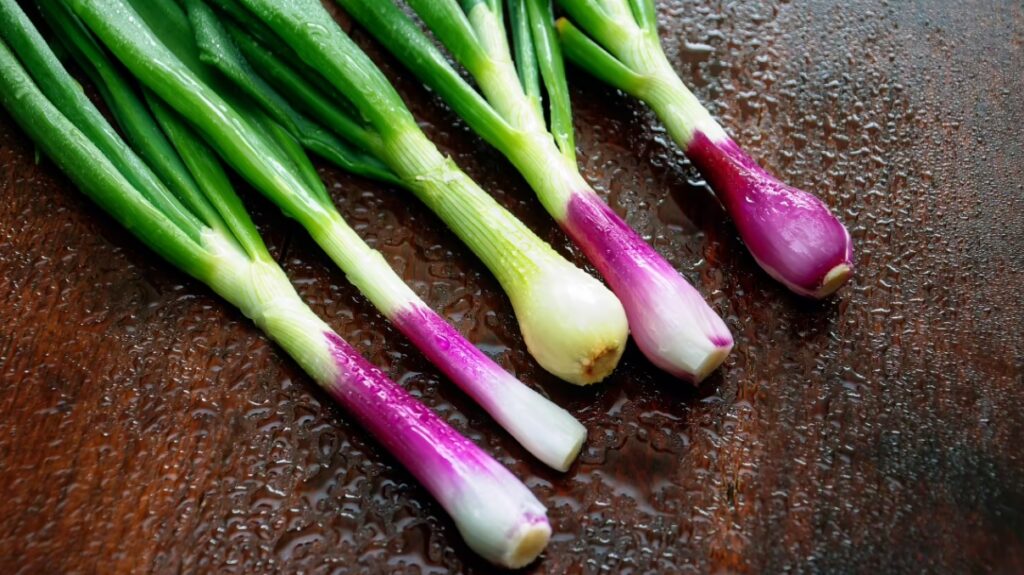
Both the white bulb and green stalks are edible and nutritious.
FAQs About Spring Onion
1. Is spring onion the same as green onion?
Yes, spring onion and green onion are often used interchangeably. However, spring onions may have a slightly larger bulb compared to green onions.
2. Can spring onions be eaten raw?
Yes, spring onions can be eaten raw. Raw spring onions retain maximum nutrients and add a fresh, mild flavor to salads and dishes.
3. Are spring onions good for diabetes?
Yes, spring onions can be beneficial for people with diabetes due to their low glycemic index and ability to help regulate blood sugar levels.
4. Do spring onions help in weight loss?
Absolutely. Spring onions are low in calories and high in fiber, which helps promote fullness and supports weight loss efforts.
5. Are spring onions good for heart health?
Yes, the antioxidants, potassium, and sulfur compounds in spring onions support heart health by lowering cholesterol and regulating blood pressure.
6. Can we eat spring onions daily?
Yes, spring onions can be safely consumed daily in moderate amounts as part of a balanced diet.
7. Are spring onions good for skin?
Yes, the vitamin C and antioxidants in spring onions help improve skin texture, promote collagen production, and protect against premature aging.
Also Read: Benefits of spring onions