

Minerals are essential nutrients your body needs to function properly. They help build strong bones, support the immune system, maintain healthy muscles, and regulate many body processes. When your body does not get enough minerals, it can lead to fatigue, weakness, poor concentration, muscle cramps, hair loss, and other health problems. Mineral deficiencies are common due to poor diet, stress, digestive issues, or certain medical conditions.
Table of Contents
What is mineral Deficiency?
Mineral deficiency occurs when the body does not get enough essential minerals needed for normal growth, energy production, and overall health. Minerals such as iron, calcium, magnesium, potassium, zinc, and iodine play important roles in maintaining strong bones, healthy muscles, proper nerve function, and immunity.
A lack of these nutrients can lead to symptoms like fatigue, weakness, muscle cramps, hair loss, poor concentration, and weakened immunity. Mineral deficiencies may result from poor diet, digestive disorders, certain medications, or increased nutritional needs. Eating a balanced diet rich in fruits, vegetables, nuts, seeds, dairy, and whole grains can help prevent deficiencies.
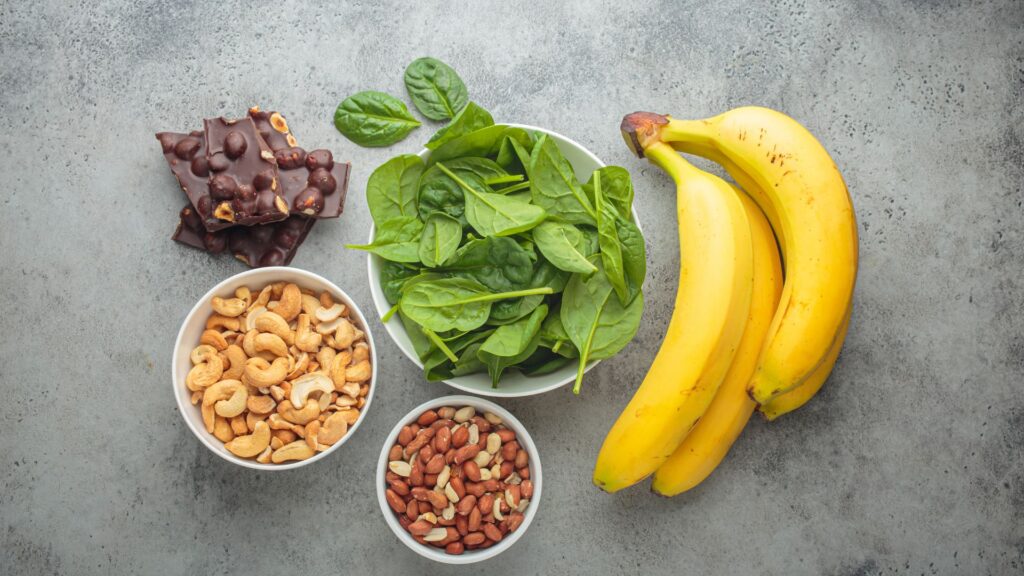
Essential Minerals the Human Body Needs and Their Functions
| Essential Mineral | Main Function in the Body | Common Food Sources |
|---|---|---|
| Iron | Helps carry oxygen in the blood and prevents anemia | Spinach, red meat, lentils, beans |
| Calcium | Builds strong bones and teeth; supports muscles and nerves | Milk, yogurt, cheese, tofu |
| Magnesium | Supports muscle function, nerves, and energy production | Nuts, seeds, bananas, whole grains |
| Potassium | Maintains fluid balance and healthy blood pressure | Bananas, potatoes, oranges |
| Zinc | Boosts immunity and helps wound healing | Pumpkin seeds, meat, eggs |
| Iodine | Supports thyroid function and metabolism | Iodized salt, fish, dairy |
| Selenium | Acts as an antioxidant and supports immunity | Brazil nuts, eggs, tuna |
| Phosphorus | Helps build bones and produce energy | Dairy products, fish, nuts |
| Sodium | Maintains fluid balance and nerve signals | Salt, soups, processed foods |
| Copper | Helps form red blood cells and supports immunity | Shellfish, nuts, seeds |
| Manganese | Supports metabolism and bone health | Whole grains, nuts, leafy vegetables |
| Fluoride | Strengthens teeth and helps prevent cavities | Fluoridated water, tea, fish |
| Chromium | Helps regulate blood sugar levels | Broccoli, whole grains, meat |
| Molybdenum | Helps enzymes break down toxins and waste | Beans, grains, nuts |
| Chloride | Supports digestion and fluid balance | Table salt, tomatoes, olives |
Common Signs of Mineral Deficiency
Mineral deficiency symptoms may vary depending on the nutrient lacking in the body. Some common signs include:
- Constant tiredness
- Muscle weakness or cramps
- Brittle nails
- Hair fall
- Weak immunity
- Pale skin
- Difficulty concentrating
- Bone pain
- Irregular heartbeat
- Poor appetite
If symptoms continue for a long time, it is important to consult a healthcare professional.
Important Minerals and What to Eat
1. Iron Deficiency
Iron is necessary for making hemoglobin, which carries oxygen in the blood. Low iron levels can cause anemia, weakness, and dizziness.
Foods Rich in Iron
- Spinach
- Lentils
- Red meat
- Pumpkin seeds
- Beans
- Tofu
- Beetroot
- Fortified cereals
Vitamin C helps improve iron absorption, so combine iron-rich foods with oranges, lemons, or tomatoes.
2. Calcium Deficiency
Calcium is essential for strong bones and teeth. A lack of calcium may increase the risk of osteoporosis and muscle cramps.
Foods Rich in Calcium
- Milk
- Yogurt
- Cheese
- Almonds
- Sesame seeds
- Tofu
- Sardines
- Green leafy vegetables
Regular sunlight exposure also helps the body use calcium better through vitamin D production.
3. Magnesium Deficiency
Magnesium supports muscle function, nerve health, and heart rhythm. Deficiency may cause fatigue, anxiety, and muscle twitching.
Foods Rich in Magnesium
- Nuts
- Seeds
- Dark chocolate
- Avocados
- Whole grains
- Bananas
- Spinach
- Legumes
Eating a balanced diet with whole foods can help maintain healthy magnesium levels.
4. Potassium Deficiency
Potassium helps regulate blood pressure and muscle contractions. Low potassium may cause muscle cramps, weakness, and irregular heartbeat.
Foods Rich in Potassium
- Bananas
- Sweet potatoes
- Coconut water
- Oranges
- Potatoes
- Beans
- Yogurt
- Tomatoes
Reducing processed foods and excessive salt intake can also help maintain potassium balance.
5. Zinc Deficiency
Zinc is important for immunity, wound healing, and healthy skin. Deficiency may lead to frequent infections and slow healing.
Foods Rich in Zinc
- Pumpkin seeds
- Chickpeas
- Nuts
- Shellfish
- Eggs
- Meat
- Dairy products
- Whole grains
Zinc-rich foods are especially important during illness recovery.
6. Iodine Deficiency
Iodine supports thyroid function and metabolism. Low iodine can cause fatigue, weight gain, and thyroid problems.
Foods Rich in Iodine
- Iodized salt
- Seaweed
- Fish
- Dairy products
- Eggs
Using iodized salt in moderation is one of the easiest ways to prevent iodine deficiency.
7. Selenium Deficiency
Selenium acts as an antioxidant and supports immune health and thyroid function.
Foods Rich in Selenium
- Brazil nuts
- Tuna
- Eggs
- Sunflower seeds
- Brown rice
- Chicken
Even a small amount of selenium-rich foods can provide major health benefits.
Best Diet Tips to Prevent Mineral Deficiency
Eat a Balanced Diet
Include fruits, vegetables, whole grains, lean protein, nuts, and seeds in your daily meals.
Avoid Excessive Processed Foods
Highly processed foods often contain fewer nutrients and too much sodium or sugar.
Stay Hydrated
Water helps transport nutrients throughout the body and supports proper mineral balance.
Improve Nutrient Absorption
Certain nutrients work better together. For example:
- Vitamin C improves iron absorption
- Vitamin D helps calcium absorption
Don’t Skip Meals
Regular healthy meals help your body maintain stable nutrient levels.
Can Supplements Help?
Supplements may help if a deficiency is severe or diagnosed by a doctor. However, getting minerals naturally from food is usually the best option because whole foods also provide fiber, antioxidants, and other beneficial nutrients.
Too many supplements may also cause side effects or interfere with medications. Always consult a healthcare provider before starting supplements.
Final Thoughts
Mineral deficiencies can affect your energy, immunity, bones, and overall well-being. Fortunately, eating nutrient-rich foods can help restore balance and improve health naturally. A diet filled with colorful fruits, vegetables, whole grains, healthy fats, and lean proteins provides most of the minerals your body needs.
Pay attention to symptoms such as fatigue, muscle cramps, hair loss, or poor concentration, as they may signal a deficiency. Small dietary changes today can make a big difference in your long-term health.
Also Read: mineral
FAQ
What is the most common mineral deficiency?
Iron deficiency is one of the most common mineral deficiencies worldwide, especially among women and children.
Can mineral deficiency cause fatigue?
Yes, deficiencies in iron, magnesium, potassium, and other minerals can lead to tiredness and low energy levels.
Which fruit is rich in minerals?
Bananas, oranges, avocados, and dried fruits contain important minerals such as potassium and magnesium.
How can I know if I have a mineral deficiency?
Common signs include weakness, muscle cramps, brittle nails, hair loss, and fatigue. A blood test can confirm deficiencies.
Are supplements better than food for mineral deficiency?
Food is usually the best source because it provides multiple nutrients together. Supplements should only be used when necessary.
Can drinking too much tea or coffee affect mineral absorption?
Yes, excessive tea or coffee may reduce iron absorption when consumed with meals.
What foods contain multiple minerals?
Nuts, seeds, leafy greens, legumes, dairy products, and whole grains provide several essential minerals at once.
How long does it take to recover from a mineral deficiency?
Recovery depends on the severity of the deficiency and diet changes. Mild deficiencies may improve within weeks, while severe cases may take longer.