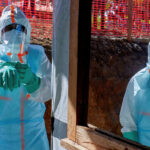

A rare Ebola strain is spreading with no vaccine.
A rare strain of Ebola known as the Bundibugyo virus is spreading across parts of Central Africa, raising global concern because there is currently no approved vaccine specifically designed for this strain. The outbreak, centered in the Democratic Republic of Congo (DRC) and now affecting Uganda, has already caused hundreds of suspected cases and more than 200 suspected deaths, according to the World Health Organization (WHO).
How contagious are viruses?
Every virus has an R0 factor — an estimate of how many people are infected by one sick person in the absence of interventions like vaccines and infection control. Here are the maximum R0 values for familiar and emerging viruses.

The WHO has declared the outbreak a Public Health Emergency of International Concern, warning that the epidemic is “outpacing” response efforts. Health officials say delayed detection, weak healthcare systems, armed conflict, and cross-border movement have made containment extremely difficult.
Unlike the better-known Zaire strain of Ebola, which has licensed vaccines and treatments, the Bundibugyo strain has no approved vaccine or specific therapy. Scientists are now racing to test experimental vaccines and antibody treatments, but experts say widespread availability could still take time.
Ebola spreads through direct contact with bodily fluids of infected people or contaminated surfaces. Early symptoms include fever, fatigue, vomiting, diarrhea, and muscle pain. Severe cases can lead to organ failure and internal bleeding. WHO says early supportive care significantly improves survival chances.
The outbreak is especially worrying because it appears to have circulated undetected for weeks or even months in mining regions with high population movement. Cases have already crossed into Uganda, increasing fears of wider regional spread.
Health workers are also facing attacks and mistrust from local communities, complicating efforts to isolate patients and conduct safe burials. International agencies are urging countries to strengthen border screening, surveillance, and emergency preparedness.
Despite the alarming spread, experts emphasize that Ebola is not airborne and can be controlled with rapid isolation, contact tracing, protective equipment, and public awareness.
Also Read: health news