How much fiber you need every day
Fiber is an essential nutrient that plays a major role in keeping your body healthy. It helps improve digestion, supports heart health, controls blood sugar levels, and can even aid in weight management. Despite its importance, many people do not get enough fiber in their daily diet. The amount of fiber you need every day depends on your age, gender, and lifestyle, but most adults should aim for around 25 to 38 grams daily.
Eating enough fruits, vegetables, whole grains, legumes, nuts, and seeds can help you meet your fiber needs naturally. Adding fiber-rich foods to your meals is a simple step toward better overall health and wellness.
- The recommended daily fiber intake for adults is 21-38 grams.
- Consuming more plant foods can help you increase intake.
- Increasing fiber from food or supplements, especially quickly, can cause gastrointestinal symptoms.
Fiber is important for gut health and can protect against common health conditions. How much fiber you need depends on your sex, age, and health needs, but adults generally need 21-38 grams daily.
Table of Contents
What’s the Daily Recommended Amount?
The recommended daily fiber intake for adults is 21-38 grams (g). The Dietary Reference Intakes (DRIs) for fiber are set by the United States Institute of Medicine (IOM).
| Age | Female | Male |
| 1-3 | 14 g | 14 g |
| 4-8 | 17 g | 20 g |
| 9-13 | 22 g | 25 g |
| 14-18 | 25 g | 31 g |
| 19-30 | 28 g | 34 g |
| 31-50 | 25 g | 31 g |
| 51 or older | 22 g | 28 g |
There is also a set Daily Value (DV) for fiber. This DV represents the amount of fiber to consume daily based on a 2,000-calorie diet. The DV for fiber is 28 grams daily for adults and children over the age of 4.
High-Fiber Foods
Fiber is concentrated in plant foods, like vegetables, fruits, grains, and legumes. Below are some of the best sources of dietary fiber.
Vegetables
- Mashed sweet potato: 8.2 g per cup, or 29.2% of the DV
- Artichoke hearts: 9.58 g per cup, or 34.2% of the DV
- Peas: 8.8 g per cup, or 31.4% of the DV
- Collard greens: 6 g per cooked cup, or 21.4% of the DV

Fruits
- Avocados: 13.5 g per 201 g avocado, or 48.2% of the DV
- Raspberries: 9.75 g per cup, or 34.8% of the DV
- Guava: 8.9 g per cup, or 31.7% of the DV
- Pears: 7.13 g per large 230 g pear, or 25.4% of the DV
Grains
- Teff: 7 g per cup, or 25% of the DV
- Barley: 5.97 g per cup, or 21.3% of the DV
- Quinoa: 5.18 g per cup, or 18.5% of the DV
- Amaranth: 5.17 g per cup, or 18.4% of the DV
Nuts and Seeds
- Chia seeds : 9.75 g per ounce (g per oz), or 34.8% of the DV
- Ground flax seeds: 8 g per oz, or 28.5% of the DV
- Almonds: 3.5 g per oz, or 12.5% of the DV
- Sunflower seeds: 3.26 g per oz, or 11.6% of the DV
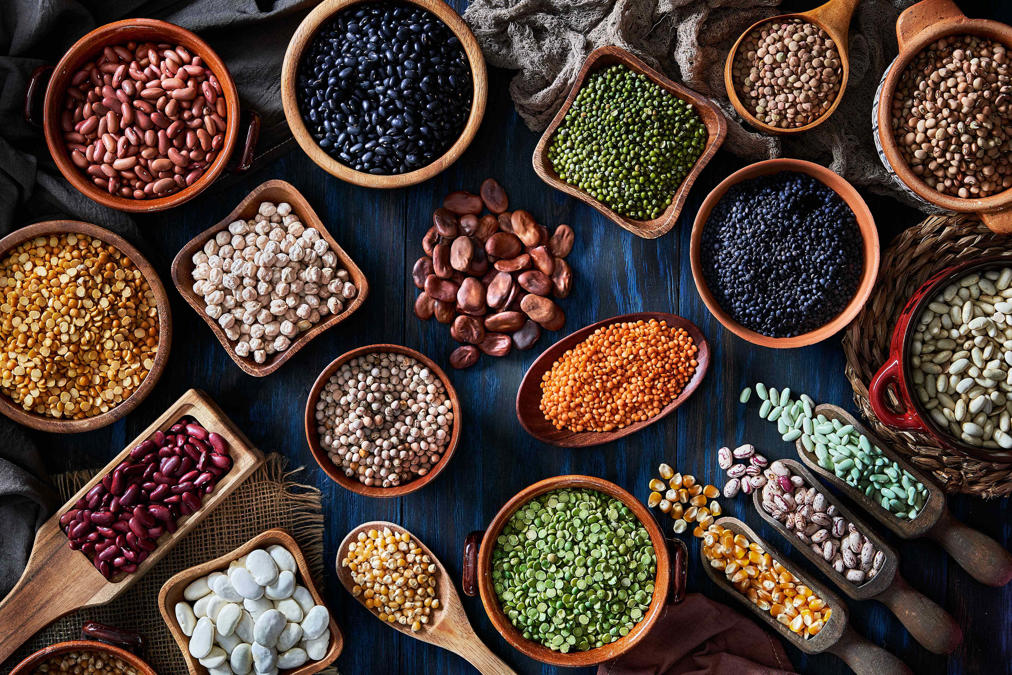
Legumes
- Navy beans: 19 g per cup, or 68.8% of the DV
- Lentils: 15.6 g per one-half cup, or 55.7% of the DV
- Black beans: 15 g per cup, or 53.5% of the DV
- Chickpeas: 12.5 g per cup, or 44.6% of the DV
How Can You Increase Fiber?
Here’s how you can increase your fiber intake:
- Eat more plant-based whole foods: This can include fruits, vegetables, legumes, nuts, and seeds.
- Replace low-fiber foods with higher-fiber foods: Choose higher-fiber grains like quinoa or teff over lower-fiber grains like white rice, and add beans to rice-based dishes.
- Take a fiber supplement: While fiber supplements can benefit some people, they’re not appropriate or safe for everyone. Talk with your doctor before starting one.
- Increase your Water intake: Since fiber binds water in the digestive tract, staying hydrated helps prevent constipation.
- Increase fiber slowly: Gradually increasing your fiber intake over time can help your digestive system adjust to the higher fiber load and reduce your risk of digestive symptoms like gas, bloating, and diarrhea.
Why Should You Eat Fiber Every Day?
There are two main types of fiber: soluble and insoluble fiber.
- Soluble fibers are fibers that dissolve in water. These fibers pass through the small intestine and are broken down by bacteria in your colon (large intestine).
- Insoluble fibers don’t dissolve in water and stay intact as they move through the intestines.
Benefits of Soluble Fiber:
- Regulates intestinal inflammation
- Strengthens the gut lining
- Improves immune function
- Draws water into poop, keeping it soft and easy to pass
- Reduces hypertension (high blood pressure) levels
The Main Benefit of Insoluble Fiber:
By eating a variety of plant foods, you consume both soluble and insoluble fiber, which provides the following benefits:
- Reduces the risk of several common diseases, such as type 2 diabetes, , and colon cancer
- Slows digestion
- Regulates appetite
- Promotes weight loss and a decreased risk of obesity
What Should You Know Before Increasing Fiber?
Increasing your fiber consumption can support overall health. However, there are some potential side effects.
- Digestive symptoms from food: Increasing your fiber intake too quickly can lead to side effects such as diarrhea, and gas. Adding smaller amounts of fibrous foods to meals and snacks over time can boost the fiber content of your diet while minimizing uncomfortable side effects.
- Symptoms from supplements: Fiber supplements can trigger side effects like constipation, nausea, and even bowel obstruction. Drinking plenty of water when consuming more fiber can help reduce these risks.
- Symptoms for people with certain conditions: High-fiber foods and fiber supplements may not be appropriate for people with certain health conditions, such as inflammatory bowel disease (IBD), as high-fiber intake may worsen symptoms.
FAQs About Daily Fiber Intake
1. How much fiber should I eat every day?
Most adults need between 25 and 38 grams of fiber daily. Women generally need about 25 grams, while men may need around 38 grams depending on age and activity level.
2. What are the best sources of fiber?
Good sources of fiber include fruits, vegetables, whole grains, oats, beans, lentils, nuts, seeds, and legumes.
3. What happens if I don’t get enough fiber?
Low fiber intake can lead to constipation, digestive problems, weight gain, and a higher risk of heart disease and diabetes.
4. Can eating too much fiber be harmful?
Yes, consuming too much fiber too quickly may cause bloating, gas, stomach cramps, or diarrhea. It’s best to increase fiber gradually and drink plenty of water.
5. Is fiber helpful for weight loss?
Yes, fiber helps you feel full for longer, which may reduce overeating and support healthy weight management.
6. Should I take fiber supplements?
Fiber supplements can help if you are unable to get enough fiber from food, but natural food sources are usually the healthiest option because they also provide vitamins and minerals.
7. Does drinking water matter when eating fiber?
Yes, water is important because fiber absorbs water in the digestive system. Drinking enough fluids helps fiber work properly and prevents constipation.
Also Read: What are the best sources of fiber?