Red Rice Health Benefits
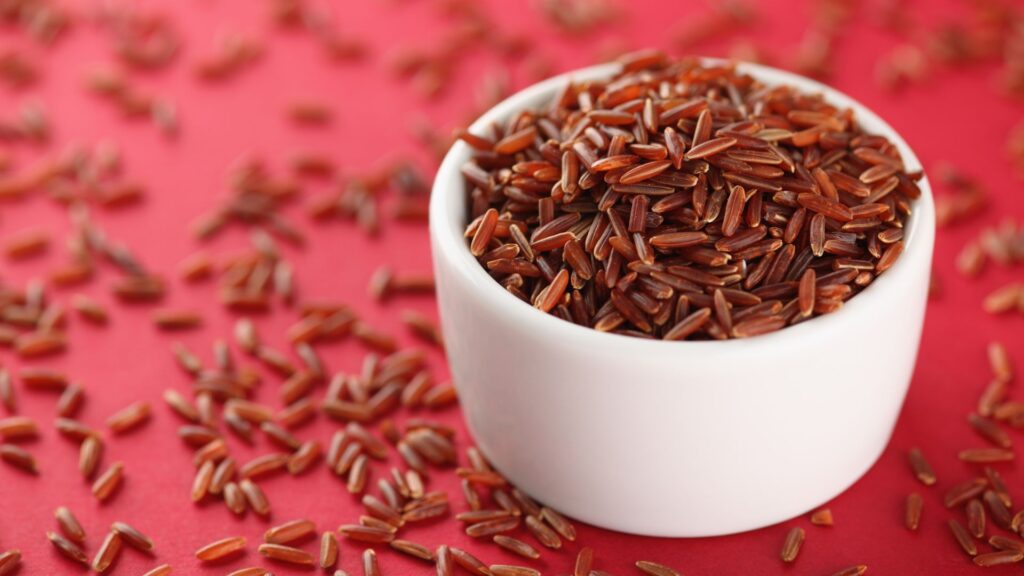
Red rice is gaining popularity among health-conscious people for its rich nutrition, earthy flavor, and impressive health benefits. Unlike polished white rice, red rice retains its outer bran layer, which gives it a reddish color and makes it more nutritious. Packed with fiber, antioxidants, vitamins, and minerals, red rice is considered one of the healthiest rice varieties available today.
Whether you want to improve heart health, manage weight, or support digestion, adding red rice to your meals can be a smart and healthy choice.
Table of Contents
What Is Red Rice?
Red rice is a whole-grain rice variety with a red husk caused by anthocyanins. It is commonly grown in parts of India, Bhutan, Thailand, and Sri Lanka. Popular Indian varieties include Kerala red rice and Himalayan red rice.
Because it is minimally processed, red rice retains more nutrients compared to white rice.
Nutritional Profile of Red Rice
Here is a quick look at the nutrients found in red rice:
| Nutrient | Benefits |
|---|---|
| Fiber | Supports digestion and weight management |
| Iron | Helps prevent anemia |
| Magnesium | Supports heart and muscle health |
| Antioxidants | Protect cells from damage |
| B Vitamins | Help produce energy |
| Complex Carbohydrates | Provide steady energy |
Top Health Benefits of Red Rice
1. Rich in Antioxidants
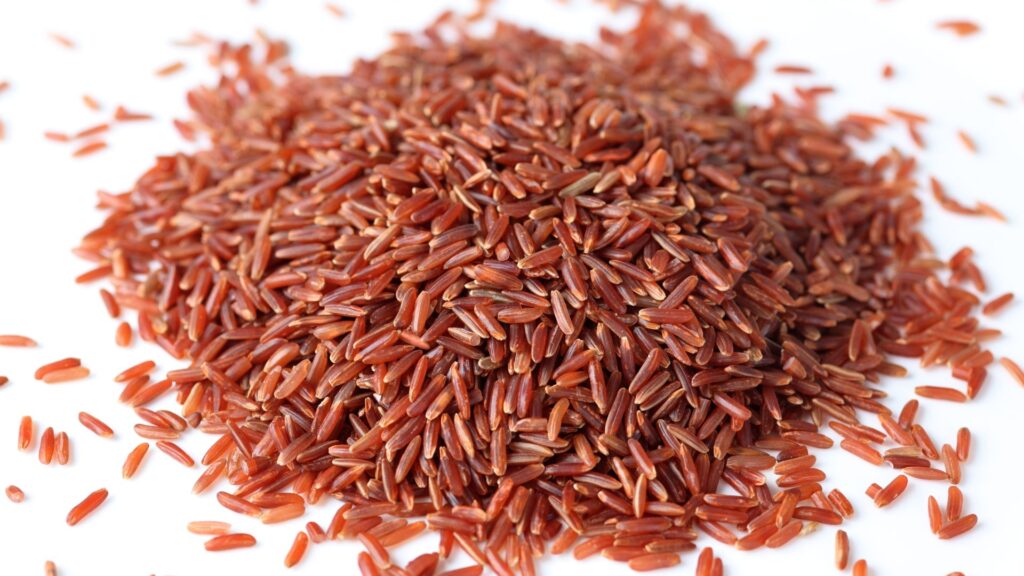
Red rice contains powerful antioxidants called anthocyanins. These compounds help fight free radicals in the body, reducing oxidative stress and lowering the risk of chronic diseases.
Antioxidants may help:
- Reduce inflammation
- Slow aging signs
- Support brain health
- Protect against certain diseases
The deep red color of the rice is a sign of its antioxidant richness.
2. Supports Heart Health
One of the biggest benefits of red rice is its positive effect on heart health. The fiber and magnesium in red rice may help maintain healthy blood pressure and cholesterol levels.
Red rice may:
- Lower bad cholesterol (LDL)
- Improve blood circulation
- Reduce the risk of heart disease
Its antioxidant properties also help protect blood vessels from damage.
3. Helps in Weight Management
Red rice is high in fiber, which helps you feel full for a longer time. This can reduce overeating and unhealthy snacking.
Compared to white rice, red rice:
- Has a lower glycemic impact
- Keeps hunger under control
- Provides long-lasting energy
People trying to lose weight or maintain a healthy diet often replace white rice with red rice.
4. Improves Digestion
The dietary fiber in red rice supports healthy digestion and bowel movements. Fiber helps prevent constipation and promotes good gut bacteria.
Regular consumption may help:
- Improve gut health
- Support smoother digestion
- Reduce digestive discomfort
Whole grains like red rice are beneficial for maintaining a healthy digestive system.
5. Helps Control Blood Sugar Levels
Red rice has a lower glycemic index than refined white rice, meaning it releases sugar more slowly into the bloodstream.
This makes it a better option for:
- People with diabetes
- Individuals with insulin resistance
- Those trying to stabilize blood sugar levels
The fiber content also helps slow glucose absorption.
6. Good Source of Iron
Iron is essential for producing healthy red blood cells and preventing fatigue. Red rice naturally contains iron, making it beneficial for people with low iron levels.
Iron-rich foods can help:
- Improve energy levels
- Prevent anemia
- Support oxygen transport in the body
Pairing red rice with vitamin C-rich foods may improve iron absorption.
7. Boosts Energy Naturally
Red rice contains complex carbohydrates that provide steady and sustained energy throughout the day. Unlike refined grains, it does not cause sudden spikes and crashes in blood sugar.
This makes red rice a great food choice for:
- Active individuals
- Athletes
- Busy professionals
It helps maintain energy levels without excessive calorie intake.
8. Supports Bone Healt
Red rice contains magnesium and phosphorus, which are important minerals for strong bones and teeth.
These nutrients help:
- Maintain bone density
- Support muscle function
- Reduce the risk of bone-related issues
Including mineral-rich foods like red rice can support overall skeletal health.
9. Naturally Gluten-Free
Red rice is naturally gluten-free, making it suitable for people with gluten intolerance or celiac disease.
It can be a healthy alternative to wheat-based foods while still providing important nutrients and fiber.
How to Include Red Rice in Your Diet
Red rice is versatile and can be used in many dishes. You can enjoy it as:
- Steamed rice
- Rice bowls
- Salads
- Pulao or biryani
- Soups and side dishes
For better texture, soak red rice for 30 minutes before cooking.
Red Rice vs White Rice
| Feature | Red Rice | White Rice |
|---|---|---|
| Fiber | High | Low |
| Nutrients | More vitamins and minerals | Less nutritious |
| Glycemic Index | Lower | Higher |
| Processing | Minimal | Highly processed |
| Satiety | Keeps you full longer | Less filling |
Red rice is generally considered healthier due to its higher nutrient content.
Conclusio
Red rice is a nutritious whole grain packed with antioxidants, fiber, vitamins, and minerals. From improving heart health and digestion to supporting weight management and blood sugar control, red rice offers several health benefits.
Replacing refined white rice with red rice can be a simple step toward a healthier lifestyle. Combined with a balanced diet and regular exercise, red rice can help support overall wellness naturally.
FAQ About Red Rice Health Benefits
1. Is red rice healthier than white rice?
Yes, red rice is healthier because it contains more fiber, antioxidants, and essential nutrients than white rice.
2. Can diabetics eat red rice?
Red rice has a lower glycemic index than white rice, making it a better option for people managing blood sugar levels.
3. Does red rice help with weight loss?
Its high fiber content helps keep you full for longer, which may support weight management.
4. Is red rice good for heart health?
Yes, red rice may help lower cholesterol and support healthy blood pressure levels.
5. How often can I eat red rice?
You can include red rice regularly as part of a balanced and healthy diet.
6. Does red rice contain gluten?
No, red rice is naturally gluten-free.
7. What does red rice taste like?
Red rice has a slightly nutty and earthy flavor with a chewy texture.
8. Can red rice improve digestion?
Yes, the fiber in red rice supports healthy digestion and bowel regularity.
Also Read: The good, bad, and ugly side of red rice, the new obsession for healthy eaters