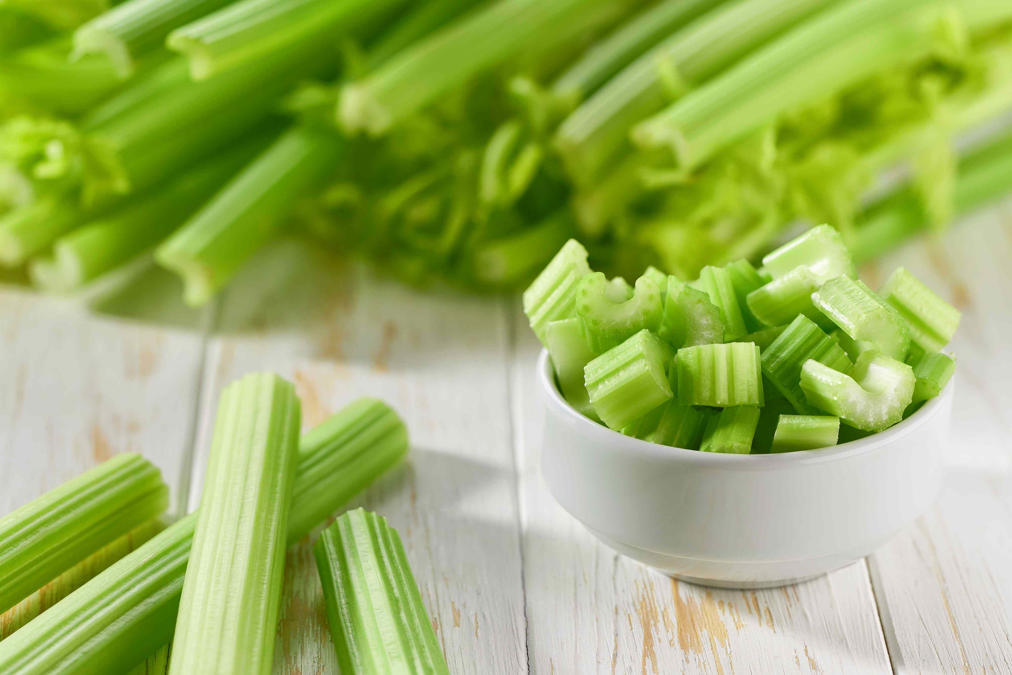
Celery is one of the most underrated vegetables in the kitchen. Known for its crunchy texture and refreshing taste, celery is often added to salads, soups, and snacks. But beyond its low-calorie appeal, celery offers a wide range of health benefits that can support your heart, digestion, hydration, and overall wellness.
Packed with vitamins, minerals, antioxidants, and fiber, celery is a nutritious addition to a balanced diet. Whether eaten raw, cooked, or blended into juice, this green vegetable can help improve your health naturally.
Table of Contents
Nutritional Value of Celery
Celery is made up mostly of water, making it a hydrating and low-calorie food. A single cup of chopped celery contains:
Nutrient
Amount (Per 100g)
Calories
14 kcal
Water
95%
Fiber
1.6 g
Protein
0.7 g
Vitamin K
29 mcg
Vitamin C
3.1 mg
Potassium
260 mg
Calcium
40 mg
Because it is low in fat and carbohydrates, celery is commonly included in weight-loss and healthy eating plans.
Eating celery daily may improve heart health, aid digestion, help with weight management, and lower inflammation and cancer risk, thanks to its nutrient-rich profile. Be mindful that celery may not be suitable for everyone, particularly if you’re pregnant or have allergies.
Health Benefits of Celery: The Superfood You’re Ignoring
1. Supports Heart Health
One of the biggest health benefits of celery is its positive effect on heart health. Celery contains antioxidants and compounds called phthalides, which may help relax blood vessels and improve blood circulation.
The potassium in celery also helps regulate blood pressure by balancing sodium levels in the body. Eating potassium-rich foods regularly may reduce the risk of high blood pressure and heart disease.
In addition, celery contains fiber, which can help lower bad cholesterol levels and support overall cardiovascular health.
2. Helps With Digestion
Celery is a good source of dietary fiber, which is essential for healthy digestion. Fiber helps move food smoothly through the digestive tract and may help prevent constipation.
Celery also contains a high amount of water, which supports hydration and keeps the digestive system functioning properly. Some people drink celery juice in the morning to support gut health and digestion.
The natural compounds in celery may also help reduce bloating and support a healthy stomach lining.
3. Aids in Weight Management
If you are trying to lose weight or maintain a healthy body weight, celery can be a smart snack choice. It is very low in calories but provides crunch and fullness, helping reduce unhealthy snacking.
The fiber content in celery can help you feel satisfied for longer periods. Because it requires more chewing, celery may also slow down eating and improve portion control.
You can enjoy celery with healthy dips like hummus or peanut butter for a balanced and filling snack.
4. Keeps the Body Hydrated
Celery is made up of about 95% water, making it excellent for hydration. Staying hydrated is important for energy levels, skin health, digestion, and temperature regulation.
Eating water-rich vegetables like celery can help maintain fluid balance in the body, especially during hot weather or after exercise.
Celery also contains electrolytes such as potassium, which further supports hydration and muscle function.
5. Rich in Antioxidants
Celery contains antioxidants such as flavonoids, vitamin C, and beta carotene. Antioxidants help protect the body from oxidative stress caused by free radicals.
Oxidative stress may contribute to aging and chronic diseases. By including antioxidant-rich foods like celery in your diet, you may help support long-term health and reduce inflammation.
The antioxidants in celery may also support immune function and overall wellness.
6. May Reduce Inflammation
Chronic inflammation is linked to conditions such as arthritis, diabetes, and heart disease. Celery contains plant compounds that may have anti-inflammatory properties.
Some studies suggest that celery seed extracts may help reduce inflammation and support joint health. While more research is needed, adding celery to a healthy diet may contribute to reducing inflammation naturally.
People who experience mild swelling or joint discomfort may benefit from eating more anti-inflammatory foods, including celery.
7. Supports Healthy Blood Sugar Levels
Celery has a low glycemic index, meaning it does not cause rapid spikes in blood sugar levels. This makes it a good vegetable choice for people trying to manage blood sugar.
The fiber in celery may also help slow down sugar absorption in the bloodstream. Combined with a balanced diet and regular exercise, celery can be part of a healthy eating plan for people with diabetes or insulin resistance.
8. Good for Skin Health
The hydration, vitamins, and antioxidants in celery may benefit the skin. Vitamin C helps support collagen production, which keeps the skin firm and healthy.
Proper hydration also helps maintain skin elasticity and may reduce dryness. Eating fresh vegetables like celery regularly can contribute to naturally glowing skin.
Easy Ways to Add Celery to Your Diet
Here are simple ways to enjoy celery daily:
You can eat celery leaves and celery stalks raw or cooked. Raw celery may maintain more nutrients than cooked celery. Ways to consume celery include:
Eating celery sticks as a snack by itself, with other raw vegetables, or with a low-fat dip
Adding the stalks and leaves to a vegetable salad, chicken salad, or egg salad
Chopping pieces into chicken stir-fry, soups, and stews
Mixing in celery seed to marinades, dressings, and pickling juice
Fresh celery is the most nutritious, but cooked celery also offers health benefits.
FAQ About Celery
Is celery good for weight loss?
Yes, celery is low in calories and high in water and fiber, making it a good food for weight management.
Can I drink celery juice every day?
Many people drink celery juice daily in moderation. However, it should be part of a balanced diet and not replace whole fruits and vegetables.
Is celery good for blood pressure?
Celery contains potassium and natural compounds that may help support healthy blood pressure levels.
Does celery help digestion?
Yes, the fiber and water content in celery may help improve digestion and reduce constipation.
Can people with diabetes eat celery?
Yes, celery is low in carbohydrates and has a low glycemic index, making it suitable for most people with diabetes.
Are celery leaves healthy?
Yes, celery leaves contain vitamins, minerals, and antioxidants and can be used in soups, salads, or smoothies.
Can celery cause allergies?
Some people may be allergic to celery. Symptoms can include itching, swelling, or difficulty breathing. Seek medical help if severe symptoms occur.
Conclusion
Celery is more than just a crunchy snack. It is packed with hydration, fiber, antioxidants, and essential nutrients that can support heart health, digestion, weight management, and overall wellness. Adding celery to your daily meals is a simple and natural way to improve your diet and enjoy long-term health benefits.
Whether you eat it raw, cooked, or juiced, celery is a versatile vegetable that can fit easily into a healthy lifestyle.
As winter arrives, so do chilly winds, dropping temperatures, and a greater risk of getting sick. While winter has its charm—cosy blankets, hot beverages, and…
When it comes to weight loss, the idea of a “magic pill” is incredibly appealing—and yet, unfortunately, reality is far more complex. If you’re looking…