
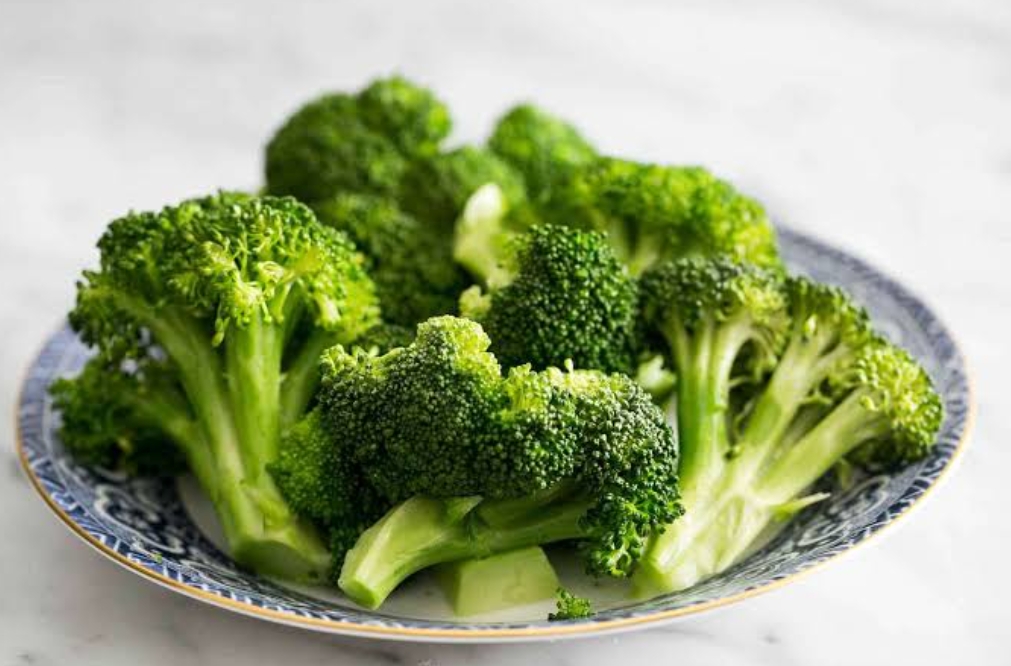
Broccoli Health Benefits
Broccoli is often called a “superfood,” and for good reason. This green cruciferous vegetable is packed with essential nutrients, antioxidants, and bioactive compounds that support overall health. Whether eaten raw, steamed, sautéed, or added to soups and salads, broccoli offers a wide range of health benefits for people of all ages.
Let’s explore why broccoli deserves a regular spot in your diet.
Table of Contents
Rich Source of Essential Nutrients
Broccoli is low in calories but extremely high in nutrients. It provides a good amount of vitamins C, K, A, and several B-complex vitamins. Vitamin C supports immune function and skin health, while vitamin K is essential for blood clotting and bone strength.
Broccoli also contains minerals like potassium, calcium, iron, and magnesium, which play a role in muscle function, heart health, and overall metabolism.
Powerful Antioxidant Properties
One of the key health benefits of broccoli comes from its high antioxidant content. Broccoli contains compounds such as sulforaphane, lutein, zeaxanthin, and beta-carotene. These antioxidants help neutralize harmful free radicals in the body, reducing oxidative stress and lowering the risk of chronic diseases like heart disease, diabetes, and certain cancers.
Sulforaphane, in particular, has been widely studied for its potential anti-cancer properties. It may help deactivate cancer-causing chemicals and slow the growth of tumor cells.

Supports Heart Health
Broccoli contributes significantly to cardiovascular health. Its fiber content helps lower bad LDL cholesterol levels, reducing the risk of clogged arteries. The potassium in broccoli helps regulate blood pressure by balancing sodium levels in the body. Additionally, antioxidants reduce inflammation and protect blood vessels, supporting overall heart function.
Regular consumption of broccoli may lower the risk of heart disease and stroke when included as part of a balanced diet.
Aids Digestion and Gut Health
Broccoli is rich in dietary fiber, which supports healthy digestion. Fiber helps maintain regular bowel movements, prevents constipation, and promotes the growth of beneficial gut bacteria. A healthy gut microbiome is essential for nutrient absorption, immunity, and overall digestive comfort.
Broccoli also contains compounds that protect the stomach lining and may help reduce the risk of gastritis and ulcers.
Also Read: Top 10 Immunity Booster Drinks to Stay Healthy and Strong
Boosts Immune System
Thanks to its high vitamin C content, broccoli plays an important role in strengthening the immune system. Vitamin C helps stimulate the production of white blood cells, which defend the body against infections. Antioxidants and anti-inflammatory compounds further support immune response and help the body recover faster from illness.
Including broccoli regularly in meals may help reduce the frequency of common colds and infections.
Promotes Bone Health
Broccoli is an excellent vegetable for bone strength. It contains calcium, vitamin K, phosphorus, and magnesium—all essential nutrients for maintaining strong bones and preventing bone-related conditions such as osteoporosis. Vitamin K plays a crucial role in bone mineralization and helps reduce fracture risk, especially in older adults.
Supports Weight Loss and Metabolism
Broccoli is a popular choice for weight-loss diets because it is low in calories but high in fiber and nutrients. Fiber helps keep you full for longer, reducing unnecessary snacking and overeating. Broccoli also has a high water content, which adds volume to meals without adding extra calories.
Its nutrients support metabolism and energy production, making broccoli an excellent vegetable for people trying to maintain or lose weight.
Also Read:Top 8 High Protein Snacks for Weight Loss
Improves Eye and Skin Health
Broccoli contains carotenoids like lutein and zeaxanthin, which are known to protect eye health. These compounds help reduce the risk of age-related eye disorders such as cataracts and macular degeneration.
For skin health, vitamins C and A promote collagen production and protect the skin from UV damage and premature aging. Regular consumption of broccoli may contribute to clearer, healthier skin.
May Help Regulate Blood Sugar Levels
Broccoli has a low glycemic index and is rich in fibre, making it suitable for people with diabetes. The fibre helps slow down sugar absorption in the bloodstream, preventing sudden spikes in blood glucose levels. Sulforaphane may also improve insulin sensitivity, supporting better blood sugar control.
Also Read: 5Best Ayurvedic Medicines for Sugar Control
Frequently Asked Questions (FAQs)
1. Is it better to eat broccoli raw or cooked?
Both raw and cooked broccoli have benefits. Raw broccoli retains more vitamin C, while lightly steaming enhances the availability of sulforaphane. Avoid overcooking to preserve nutrients.
2. How often should I eat broccoli?
You can safely eat broccoli 3–5 times a week as part of a balanced diet. Daily consumption in moderate portions is also healthy for most people.
3. Can broccoli cause gas or bloating?
Yes, broccoli may cause gas or bloating in some people due to its fiber and sulfur compounds. Cooking it lightly can help reduce digestive discomfort.
4. Is broccoli good for weight loss?
Yes, broccoli is excellent for weight loss. It is low in calories, high in fiber, and helps keep you full for longer.
5. Can people with thyroid issues eat broccoli?
People with thyroid problems can eat broccoli in moderation, especially when cooked. Cooking reduces goitrogenic compounds that may affect thyroid function.
6. Is broccoli safe for children?
Yes, broccoli is safe and highly nutritious for children. Introducing it early can help build healthy eating habits.Also Read: 5 Health Benefits of Broccoli