Blue Tea Benefits
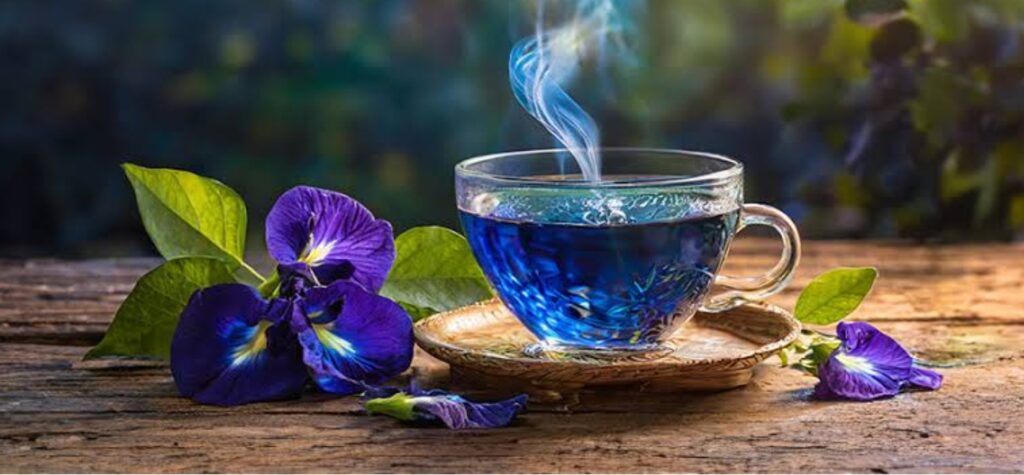
Blue tea, also known as butterfly pea flower tea, is a vibrant herbal drink made from the dried flowers of the Clitoria ternatea plant. Famous for its deep blue color that magically changes to purple when lemon is added, blue tea has been used for centuries in traditional Ayurvedic and Southeast Asian medicine. Beyond its visual appeal, blue tea offers numerous health benefits that make it a popular wellness beverage today.
Let’s explore the health benefits of blue tea, how it works, and why you should consider adding it to your daily routine.
Table of Contents
What Is Blue Tea?
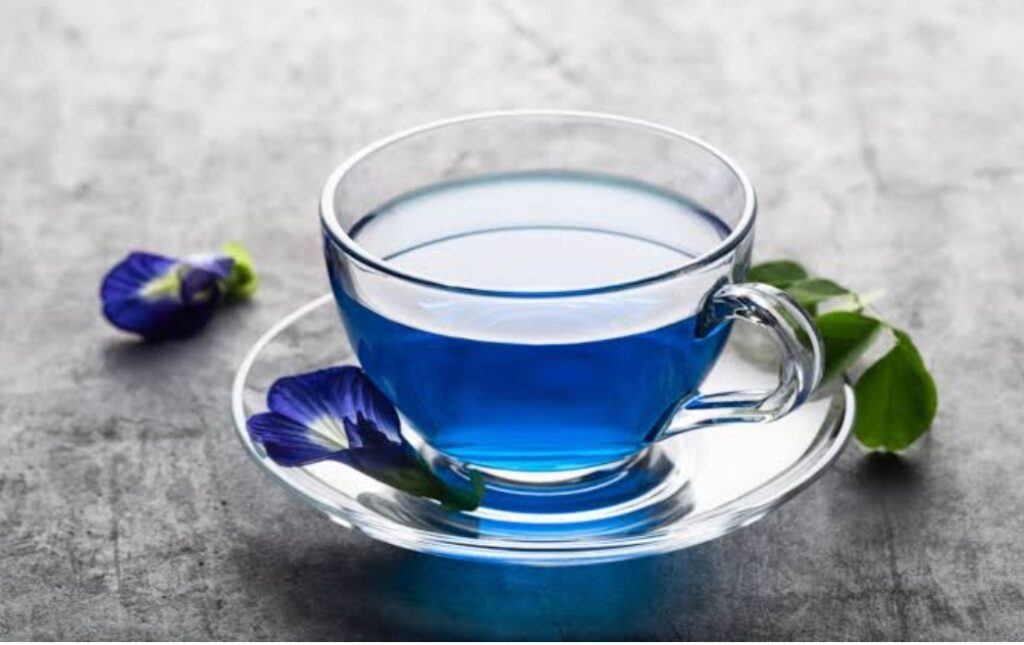
Blue tea is a caffeine-free herbal infusion prepared by steeping dried butterfly pea flowers in hot water. The striking blue color comes from powerful antioxidants called anthocyanins, which are also responsible for many of its health benefits.
Because it contains no tea leaves, blue tea is suitable for people sensitive to caffeine and can be consumed at any time of the day.
1. Rich in Antioxidants
One of the most important benefits of blue tea is its high antioxidant content. Anthocyanins help fight free radicals in the body, reducing oxidative stress and cellular damage.
Antioxidant benefits include:
- Slowing down premature aging
- Supporting healthy skin
- Protecting cells from damage
- Reducing the risk of chronic diseases
Regular consumption of blue tea may help maintain overall health and vitality.
2. Supports Brain Health and Memory
Blue tea has long been associated with improved cognitive function. Traditionally, butterfly pea flower was used to enhance memory and concentration.
How it helps the brain:
- Improves blood circulation to the brain
- Supports neurotransmitter function
- May help reduce mental fatigue
- Enhances focus and clarity
This makes blue tea an excellent drink for students, professionals, and older adults.
3. Promotes Healthy Skin and Hair
The antioxidants in blue tea play a key role in skin and hair health. By reducing oxidative stress, blue tea helps slow signs of aging such as wrinkles and fine lines.
Skin and hair benefits:
- Improves skin elasticity
- Supports collagen production
- Reduces dullness and dryness
- Strengthens hair roots and reduces hair fall
Drinking blue tea regularly may give your skin a natural glow and support healthier hair growth.
4. Helps Reduce Stress and Anxiety
Blue tea is known for its calming and stress-relieving properties. It helps relax the nervous system and may reduce symptoms of anxiety and mild depression.
Mental health benefits:
- Promotes relaxation
- Improves mood
- Helps manage stress
- Supports better sleep quality
Since it is caffeine-free, blue tea can be safely consumed in the evening to unwind after a long day.
5. Aids in Weight Management
If you’re trying to manage your weight, blue tea can be a helpful addition to your diet. It is low in calories and may help boost metabolism.
Weight-related benefits:
- Supports fat metabolism
- Reduces water retention
- Helps control appetite
- Encourages healthy digestion
When combined with a balanced diet and regular exercise, blue tea may support healthy weight loss.
Also Read:Best Time to Drink Green Tea for Weight Loss
6. Supports Eye Health
Blue tea contains compounds that may benefit eye health, especially for people who spend long hours in front of screens.
Eye benefits include:
- Reduces eye strain
- Supports blood flow to eye tissues
- May help protect vision over time
This makes blue tea a great drink for office workers and digital device users.
7. Helps Control Blood Sugar Levels
Some studies suggest that butterfly pea flower may help regulate blood sugar levels by slowing down sugar absorption in the bloodstream.
Potential benefits for diabetics:
- Improves insulin sensitivity
- Reduces post-meal sugar spikes
- Supports overall metabolic health
However, people with diabetes should consult a healthcare professional before consuming blue tea regularly.
Also Read:Can Weight Loss Lower Blood Pressure? A Complete Guide
8. Improves Digestion
Blue tea supports digestive health by promoting gut balance and reducing inflammation.
Digestive benefits:
- Helps reduce bloating
- Supports healthy bowel movements
- Soothes the digestive tract
Drinking blue tea after meals may help improve digestion naturally.
How to Prepare Blue Tea
Making blue tea is simple:
- Add 4–5 dried butterfly pea flowers to a cup
- Pour hot water over them
- Steep for 5–7 minutes
- Strain and enjoy
You can add lemon, honey, or ginger for extra flavor and benefits.
Are There Any Side Effects of Blue Tea?
Blue tea is generally considered safe when consumed in moderation. However:
- Excess consumption may cause nausea in rare cases
- Pregnant and breastfeeding women should consult a doctor
- People on medication should check for interactions
Conclusion
Blue tea is more than just a beautiful beverage. Its antioxidant-rich, caffeine-free, and calming properties make it a powerful addition to a healthy lifestyle. From improving brain function and skin health to supporting digestion and stress management, blue tea offers a wide range of benefits.
Adding a cup of blue tea to your daily routine can be a simple and natural way to enhance your overall well-being.
Frequently Asked Questions (FAQs)
1. Is blue tea safe to drink daily?
Yes, blue tea is generally safe to drink daily in moderate amounts.
2. Does blue tea contain caffeine?
No, blue tea is naturally caffeine-free.
3. Can blue tea help with weight loss?
Yes, blue tea may support weight management by boosting metabolism and reducing appetite.
4. Can I drink blue tea at night?
Yes, its calming properties make it suitable for evening consumption.
5. Is blue tea good for skin?
Yes, the antioxidants in blue tea help improve skin health and slow aging.
6. Can diabetics drink blue tea?
Blue tea may help regulate blood sugar, but diabetics should consult their doctor first.
7. How does blue tea change color?
The colour changes due to pH levels—adding lemon juice turns it from blue to purple.
Also Read:Blue Tea Benefits: Why This Colourful Brew Is A Health Booster