
Key takeaways
- Oats & Barley: Rich in beta-glucan, a soluble fiber that supports beneficial gut bacteria, regulates bowel movements, and reduces inflammation.
- Quinoa & Teff: Packed with fiber, protein, and polyphenols, promoting microbiome diversity and protecting digestive cells; naturally gluten-free.
- Brown Rice & Sorghum: Provide insoluble fiber for stool bulk and regularity, plus antioxidants to protect the gut and support healthy bacteria growth.
- Whole grains feed beneficial bacteria, promote regular bowel movements, and help reduce inflammation.
- Oats and barley are rich in beta-glucan, a soluble fiber that supports healthy gut bacteria.
- Experts recommend eating a variety of whole grains, such as quinoa, teff, brown rice, and sorghum.
Table of Contents
Why Your Gut Loves Whole Grains
Think of fiber as food for your gut bacteria. When you eat fiber-rich grains, those bacteria break it down and produce substances that help reduce inflammation and strengthen your digestive system.
On the other hand, refined grains (like white bread or polished rice) don’t offer the same benefits because most of the fiber is removed during processing.
Switching to whole grains might seem like a small change, but over time, it can make a noticeable difference in how your body feels.
1. Oats – A Gentle Start for Your Gut
Oats are often the first thing dietitians suggest when it comes to improving digestion—and for good reason. They contain a special type of soluble fiber that forms a soft gel in your stomach, helping food move smoothly through your digestive system.
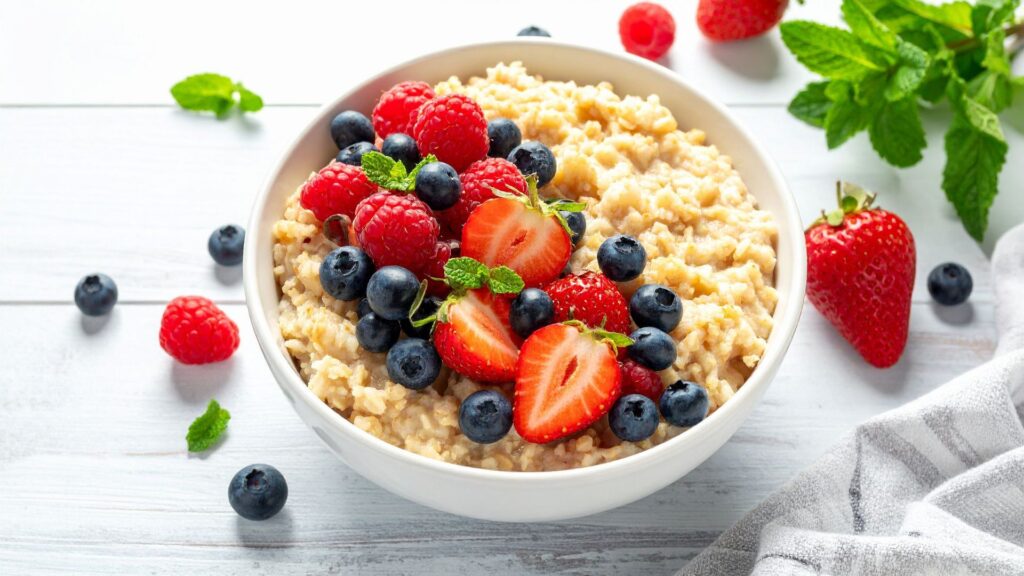
They’re also incredibly soothing, especially if your stomach tends to feel sensitive. A warm bowl of oats in the morning can set the tone for better digestion throughout the day.
Easy idea: Try overnight oats or a simple bowl of oatmeal with fruits and nuts.
2. Brown Rice – Simple, Filling, and Gut-Friendly
Brown rice is a great everyday grain that’s both filling and easy on the stomach. Unlike white rice, it keeps its natural fiber, which helps your gut bacteria stay active and balanced.
If you often deal with digestion issues, brown rice is a safe and comforting option that won’t feel heavy.
Easy idea: Swap white rice with brown rice in your daily meals—you likely won’t even miss the difference after a few days.
3. Quinoa – Small Grain, Big Benefits
Quinoa may look tiny, but it packs a punch when it comes to nutrition. It’s rich in fiber and also contains protein, which makes it a great all-rounder.
What makes quinoa special for gut health is how it supports a balanced gut environment and may help calm inflammation in the digestive tract.
Easy idea: Add quinoa to salads or use it instead of rice for a lighter meal.
4. Barley – A Natural Gut Cleanser
Barley is one of those underrated grains that deserves more attention. It’s loaded with fiber that feeds your good gut bacteria and keeps your digestion running smoothly.
If constipation is something you struggle with, barley can be especially helpful. It gently supports regular bowel movements without being harsh.
Easy idea: Add barley to soups or cook it like rice for a wholesome meal.
5. Whole Wheat – For Everyday Digestive Support
Whole wheat is probably already a part of your daily diet—especially if you eat chapati or whole wheat bread. The good news is that it’s actually great for your gut.
It contains insoluble fiber, which helps add bulk to your stool and keeps things moving regularly. This can prevent that sluggish, heavy feeling after meals.
Easy idea: Stick to whole wheat options instead of refined flour (maida) whenever possible.
6. Millet – The Traditional Super Grain
Millets have been part of Indian diets for generations, and now they’re making a strong comeback—and rightly so. They’re light, easy to digest, and naturally gluten-free.
Millets are especially helpful if you often experience acidity or digestive discomfort. They support a healthy gut without putting stress on your system.
Easy idea: Try millet khichdi or porridge for a comforting, gut-friendly meal.
Tips to Improve Gut Health with Grains
- Gradually increase fiber intake to avoid bloating
- Drink plenty of water to aid digestion
- Combine grains with vegetables and fermented foods
- Choose minimally processed, whole-grain options
- Rotate different grains for a diverse nutrient intake
Conclusion
Incorporating gut-friendly grains into your diet is a simple yet powerful way to support digestion and overall health. Oats, brown rice, quinoa, barley, whole wheat, and millet all offer unique benefits that nourish your gut microbiome and improve digestive function.
Making small changes, like replacing refined grains with whole grains, can lead to long-term improvements in gut health and overall well-being.
Frequently Asked Questions (FAQs)
1. Which grain is best for gut health?
Oats are often considered the best due to their high beta-glucan content, which supports good gut bacteria.
2. Are all grains good for digestion?
Not all grains are equally beneficial. Whole grains are better than refined grains because they contain more fiber and nutrients.
3. Can grains cause bloating?
Yes, especially if introduced suddenly. Gradually increasing fiber intake helps reduce bloating.
4. Is gluten bad for gut health?
Gluten is only harmful to people with celiac disease or gluten sensitivity. Others can safely consume whole wheat.
5. How often should I eat whole grains?
Dietitians recommend including whole grains in at least 2–3 meals per day for optimal gut health.
6. Are millets better than rice for digestion?
Millets are often better due to their higher fiber content and easier digestibility compared to refined rice.
Also Read: 11 Healthiest Whole Grains to Add to Your Grocery List