Tuna vs. Salmon
When it comes to heart-healthy foods, fatty fish often top the list—and for good reason. Among the most popular choices are tuna and salmon, both praised for their rich nutrient profiles and impressive omega-3 content.
But if you’re trying to decide which one is better for boosting heart health, the answer isn’t as straightforward as it seems. Let’s break it down.
Table of Contents
Why Omega-3s Matter for Heart Health
Omega-3 fatty acids are essential fats your body cannot produce on its own. They play a crucial role in reducing inflammation, lowering triglyceride levels, improving cholesterol balance, and supporting overall cardiovascular function. Regular consumption of omega-3-rich foods is linked to a lower risk of heart disease, stroke, and high blood pressure.
The two key omega-3s found in fish are:
- EPA (Eicosapentaenoic Acid)
- DHA (Docosahexaenoic Acid)
Both tuna and salmon provide these beneficial fats—but in different amounts.
Nutrient comparison
Wild salmon (coho) | Farmed salmon (Atlantic) | Tuna (yellowfin) | |
|---|---|---|---|
| Calories | 124 | 177 | 93 |
| Protein | 18g | 17g | 21g |
| Carbs | 0g | 0g | 0g |
| Fat | 5g | 11g | <1g |
| Cholesterol | 38 mg, 13% of the Daily Value (DV) | 47 mg, 16% of the DV | 13 mg, 4% of the DV |
| Vitamin D | 307 IU, 38% of the DV | 375 IU, 47% of the DV | 59 IU, 7% of the DV |
| Vitamin B12 | 3.5 mcg, 146% of the DV | 2.7 mcg, 113% of the DV | 1.8 mcg, 75% of the DV |
| Niacin | 6.1 mg, 38% of the DV | 7.4 mg, 46% of the DV | 15.7 mg, 98% of the DV |
| Selenium | 31 mcg, 56% of the DV | 20.4 mcg, 37% of the DV | 77 mcg, 140% of the DV |
| Vitamin B6 | 0.5 mg, 29% of the DV | 0.5 mg, 29% of the DV | 0.8 mg, 13% of the DV |
| Total omega-3 fats | 1,120 mg | 2,130 mg | 91 mg |
Omega-3 Content: Salmon Takes the Lea
When comparing omega-3 levels, salmon clearly stands out.
- Salmon (100g): लगभग 1.5–2.5 grams of omega-3s
- Tuna (100g): लगभग 0.2–1.0 grams of omega-3s (depending on type)
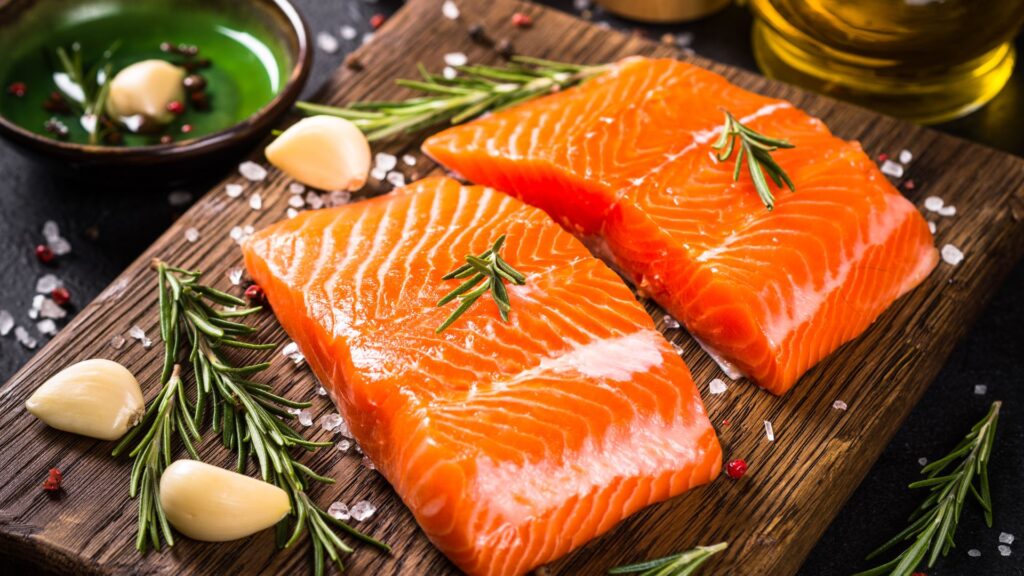
Salmon, especially wild-caught varieties, is one of the richest sources of omega-3 fatty acids available. Tuna, while still beneficial, generally contains lower levels—particularly in canned light tuna.
Verdict: If your main goal is maximizing omega-3 intake, salmon is the better choice.
Protein Content: Tuna Has a Slight Edge
Both fish are excellent sources of high-quality protein, which is essential for muscle repair, metabolism, and overall health.
- Tuna: ~25–30g protein per 100g
- Salmon: ~20–25g protein per 100g
Tuna is leaner and slightly higher in protein, making it a favorite among fitness enthusiasts and those aiming for weight management.
Verdict: Tuna wins for higher protein with fewer calories.
Fat Content: Healthy vs. Lean
The difference in fat content plays a major role in their nutritional value.
- Salmon: Higher in healthy fats (including omega-3s)
- Tuna: Lower in total fat (leaner option)
While tuna is great for low-fat diets, salmon’s fats are heart-healthy and beneficial, not harmful. These fats help reduce bad cholesterol (LDL) and increase good cholesterol (HDL).
Verdict: Salmon offers better quality fats for heart health.
Mercury Levels: Tuna Requires Caution
One important factor to consider is mercury content.
- Tuna (especially albacore and bigeye) tends to have higher mercury levels
- Salmon generally has low mercury levels
High mercury intake can be harmful, particularly for pregnant women and children. While tuna is safe in moderation, frequent consumption—especially of certain types—should be limited.
Verdict: Salmon is safer for regular consumption.
Vitamins and Minerals Comparison
Both fish are nutrient-dense but differ slightly in micronutrients.
Salmon:
- Rich in Vitamin D
- High in Vitamin B12
- Contains potassium and selenium
Tuna:
- Excellent source of Vitamin B12
- High in niacin (Vitamin B3)
- Contains selenium and iron
Salmon stands out because of its high vitamin D content, which supports bone health and immune function—something many people are deficient in.
Verdict: Salmon has a slight nutritional advantage.
Calories: Tuna for Weight Loss, Salmon for Nutrition
- Tuna (lean): ~130 calories per 100g
- Salmon: ~200–250 calories per 100g
If you’re on a calorie-restricted diet, tuna may be a better option. However, the extra calories in salmon come from beneficial fats that support heart and brain health.
Verdict: Tuna is lower in calories, but salmon provides more overall benefits.
Taste and Versatility
Taste can influence your choice just as much as nutrition.
- Salmon: Rich, buttery flavor; great for grilling, baking, or pan-searing
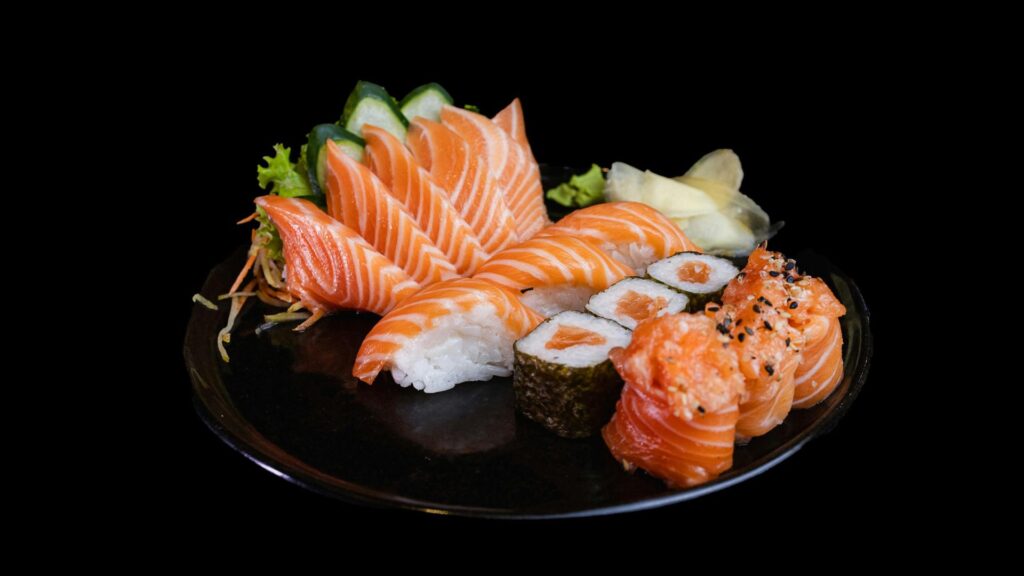
- Tuna: Mild taste; versatile for salads, sandwiches, and sushi
Tuna is often more convenient (especially canned), while salmon is often preferred for fresh, gourmet meals.
Which One Is Better for Heart Health?
If we focus purely on heart health, salmon comes out on top. Its higher omega-3 content, lower mercury levels, and beneficial fat profile make it the superior choice for supporting cardiovascular function.
However, tuna still has its place in a healthy diet—especially if you choose low-mercury varieties like skipjack and consume it in moderation.
Final Verdict
- Choose Salmon if:
You want maximum omega-3s, better heart protection, and more nutrients. - Choose Tuna if:
You prefer a lean, high-protein, lower-calorie option and eat it occasionally.
Pro Tip: Include Both in Your Diet
Instead of choosing one over the other, the best approach is balance. Including a variety of fish in your diet ensures you get a wide range of nutrients while minimizing risks like mercury exposure.
FAQs
Q1. How often should I eat salmon or tuna for heart health?
Aim for 2–3 servings of fatty fish per week. You can include salmon more frequently and tuna in moderation.
Q2. Is canned tuna healthy?
Yes, but choose light tuna and avoid consuming it daily due to mercury content.
Q3. Is farmed salmon as healthy as wild salmon?
Both are nutritious, but wild salmon typically has higher omega-3 levels and fewer contaminants.
Q4. Which is better for weight loss?
Tuna is lower in calories, making it slightly better for weight loss diets.
Q5. Can I eat salmon every day?
While it’s healthy, it’s best to rotate with other protein sources for a balanced diet.
Conclusion:
For omega-3s and heart health, salmon is the clear winner. But tuna remains a valuable, convenient, and nutritious addition when consumed wisely. A balanced approach will give you the best of both worlds.
Also Read: tuna vs salmon