Collagen-Boosting Foods
Collagen is the most abundant protein in the human body, acting as the building block for your skin, hair, nails, bones, and connective tissues. It gives your skin elasticity, keeps your joints flexible, and helps maintain overall structural integrity.
However, as you age, collagen production naturally declines, leading to wrinkles, joint discomfort, and weaker hair and nails.
The good news? You can support and even boost your body’s collagen production through the right foods. Let’s explore the best collagen-boosting foods and how they help you maintain a youthful and healthy body.
Table of Contents
Why Diet Matters for Collagen Production
Your body produces collagen using amino acids, vitamin C, zinc, and copper. Without these nutrients, collagen synthesis slows down. Instead of relying only on supplements, eating nutrient-rich foods can naturally stimulate collagen production and protect existing collagen from damage.
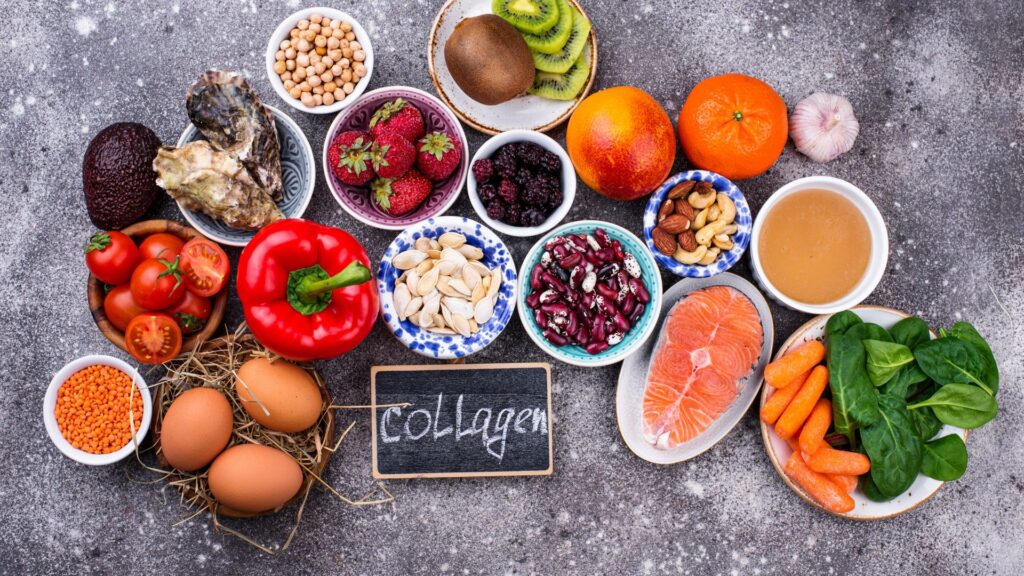
Collagen-Boosting Foods and Their Benefits
| Food | Key Nutrients | How It Boosts Collagen | Health Benefits |
|---|---|---|---|
| Bone Broth | Collagen, Gelatin, Amino acids | Provides direct collagen for the body | Improves skin elasticity, supports joints |
| Citrus Fruits | Vitamin C | Helps in collagen synthesis | Brightens skin, reduces wrinkles |
| Leafy Greens | Chlorophyll, Vitamin C | Increases collagen production | Detoxifies body, improves skin health |
| Berries | Vitamin C, Antioxidants | Protects collagen from damage | Slows aging, improves skin glow |
| Eggs | Proline (amino acid) | Supports collagen formation | Strengthens skin, hair, and nails |
| Fatty Fish | Omega-3 fatty acids, Protein | Reduces collagen breakdown | Keeps skin hydrated, supports heart health |
| Nuts & Seeds | Zinc, Healthy fats | Helps in collagen production and repair | Improves skin texture, boosts immunity |
| Garlic | Sulfur compounds | Prevents collagen breakdown | Improves skin structure, boosts immunity |
| Tomatoes | Vitamin C, Lycopene | Protects collagen from UV damage | Reduces sun damage, improves skin tone |
| Soy Products | Genistein (plant compound) | Boosts collagen and blocks collagen loss | Improves skin firmness, balances hormones |
| Avocado | Vitamin E, Healthy fats | Protects collagen from oxidative stress | Keeps skin soft, improves hydration |
| Bell Peppers | Vitamin C, Antioxidants | Enhances collagen production | Promotes glowing and youthful skin |
Tips to Maximize Collagen Production
- Stay hydrated: Water keeps your skin plump and supports collagen function.
- Avoid excess sugar: High sugar intake can damage collagen through a process called glycation.
- Protect from sun damage: UV rays break down collagen, so use sunscreen regularly.
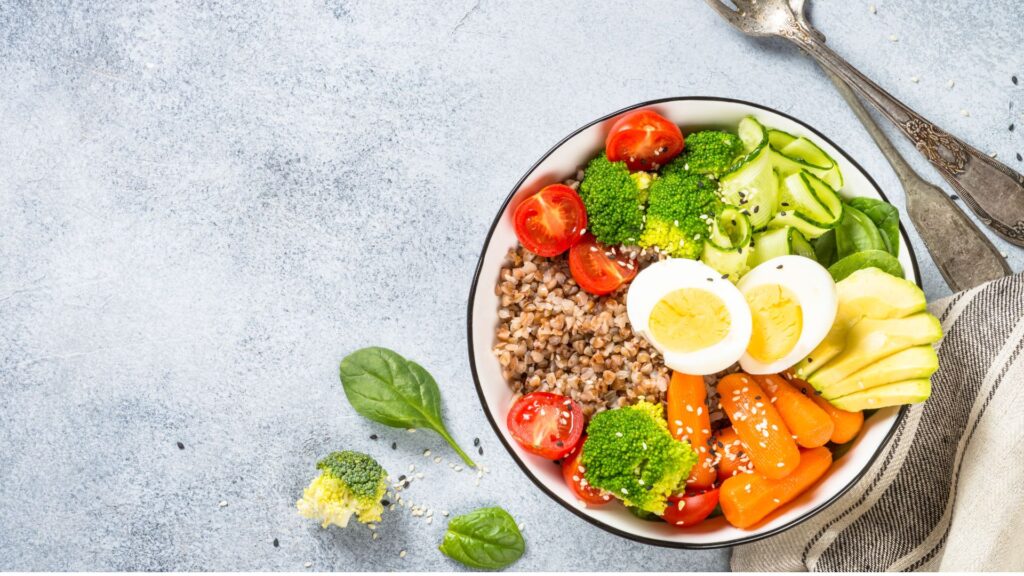
- Eat a balanced diet: Combine protein, vitamins, and minerals for optimal results.
Signs You May Need More Collagen
- Wrinkles and sagging skin
- Joint pain or stiffness
- Brittle nails and hair thinning
- Slow wound healing
If you notice these signs, it may be time to focus on collagen-supporting foods.
Conclusion
Collagen is essential for maintaining youthful skin, strong joints, and overall health. While aging is inevitable, your diet plays a powerful role in slowing down collagen loss. By including foods like bone broth, citrus fruits, leafy greens, and fatty fish in your daily meals, you can naturally boost your body’s collagen production.
Consistency is key—make these foods a regular part of your diet, and over time, you’ll notice improvements in your skin, hair, and joint health.
Frequently Asked Questions (FAQs)
1. What is the best food for boosting collagen?
Bone broth is considered one of the best natural sources of collagen. However, foods rich in vitamin C, like citrus fruits, are equally important for collagen production.
2. How long does it take to see results from collagen-rich foods?
It usually takes 4–8 weeks of consistent healthy eating to notice visible improvements in skin and joint health.
3. Can vegetarians boost collagen naturally?
Yes, vegetarians can boost collagen by consuming foods rich in vitamin C, zinc, and plant-based proteins like beans, nuts, seeds, and soy products.
4. Is collagen better from food or supplements?
Whole foods are generally better because they provide a combination of nutrients needed for collagen synthesis. Supplements can help but should not replace a balanced diet.
5. Does cooking destroy collagen in food?
Cooking can break down collagen into gelatin, which is still beneficial and easier for the body to absorb.
6. Can I eat collagen-boosting foods daily?
Absolutely! These foods are healthy and safe for daily consumption as part of a balanced diet.
Also Read :health