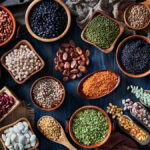
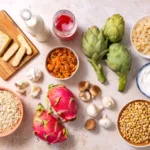
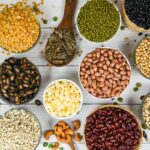
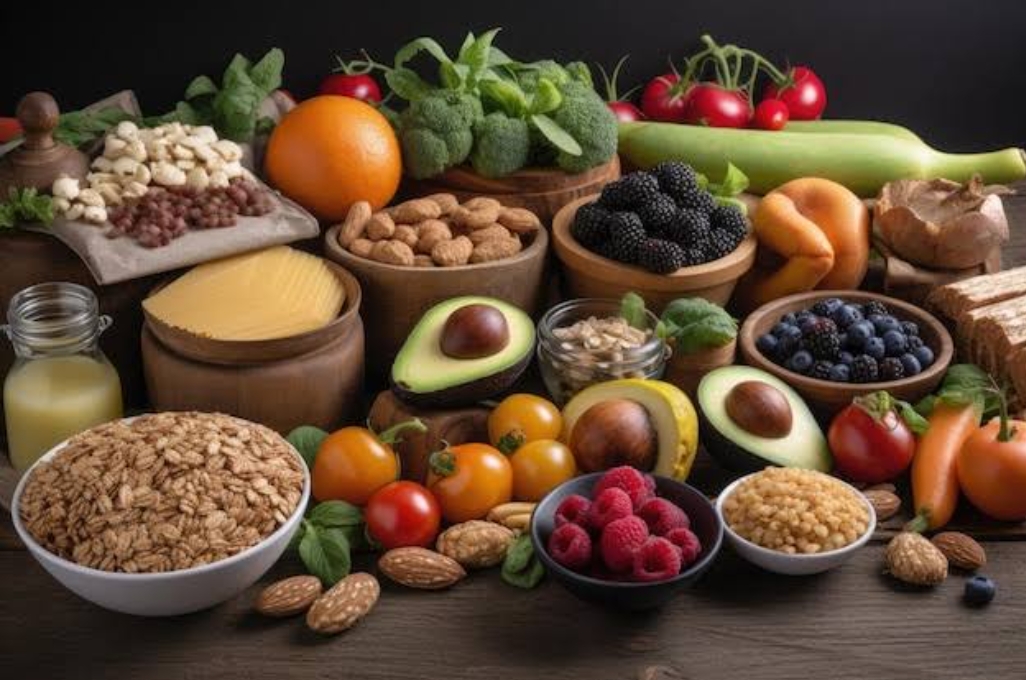
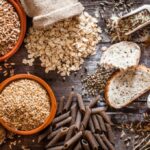
Should you be Fibremaxxing, a viral nutrition trend dominating social media in 2026, is drawing both praise and caution from health experts. The concept is simple: deliberately increase daily fibre intake—often beyond standard recommendations—by focusing on foods like whole grains, fruits, vegetables, legumes, nuts, and seeds.
The trend has gained traction partly because most people fall short of recommended fibre levels. Adults are generally advised to consume around 25–30 grams daily, yet average intake is often much lower.Experts say fibre plays a crucial role in digestion, gut microbiome health, blood sugar control, and lowering the risk of chronic diseases such as heart disease and diabetes.
Unlike restrictive diets, fibremaxxing is seen as a positive shift—encouraging people to “add” nutrient-rich foods rather than eliminate them. Recent reports highlight its benefits for satiety, weight management, and even mood and immune function.
However, nutritionists warn against taking the trend too far. Sudden or excessive fibre intake can lead to bloating, gas, constipation, and even nutrient malabsorption if not balanced with adequate hydration.Experts recommend increasing fibre gradually and focusing on variety rather than sheer quantity.
Some dietitians are now promoting a more balanced approach dubbed “fibre layering,” which spreads fibre intake evenly across meals to support digestion without discomfort.
Overall, experts agree that fibremaxxing is one of the rare social media health trends grounded in science—provided it is practiced sensibly. The key message: more fibre can be beneficial, but consistency, diversity, and moderation matter more than extremes.
India’s Universal Immunisation Programme Sets Global Benchmark India’s Universal Immunisation Programme (UIP) has emerged as a global model for large-scale public health delivery, achieving remarkable…
What to know about polio when you are traveling Global health authorities are urging travellers to stay alert as poliovirus continues to circulate in multiple…