Stroke is one of the leading causes of death and long-term disability worldwide. It occurs when blood flow to the brain is blocked or when a blood vessel in the brain bursts. While factors such as age, genetics, and medical conditions play a role, your daily diet can significantly affect your stroke risk. Eating healthy foods helps control blood pressure, cholesterol, inflammation, and blood sugar levels — all of which are closely linked to stroke prevention.
In this blog, we will explore the best foods that reduce the risk of stroke and how they support overall cardiovascular and brain health.
What Is a Stroke?
A stroke happens when the brain does not receive enough oxygen and nutrients due to interrupted blood flow. There are two major types of stroke:
- Ischemic Stroke: Caused by blocked arteries
- Hemorrhagic Stroke: Caused by bleeding in the brain
Poor diet, obesity, smoking, high blood pressure, diabetes, and high cholesterol increase the chances of stroke. Fortunately, a healthy diet can lower many of these risk factors.
Relation between foods and stroke
Diet plays a major role in the risk of stroke because the foods we eat directly affect blood pressure, cholesterol, blood sugar, and inflammation in the body. A diet high in processed foods, salt, sugar, and unhealthy fats can lead to clogged arteries, high blood pressure, and obesity, all of which increase stroke risk.
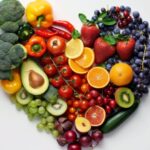
On the other hand, a balanced diet rich in fruits, vegetables, whole grains, nuts, seeds, and fatty fish helps improve blood circulation and keeps blood vessels healthy. These nutrient-rich foods reduce inflammation and support heart and brain function, significantly lowering the chances of both ischemic and hemorrhagic strokes.
Top Foods That Reduce the Risk of Stroke
1. Leafy Green Vegetables
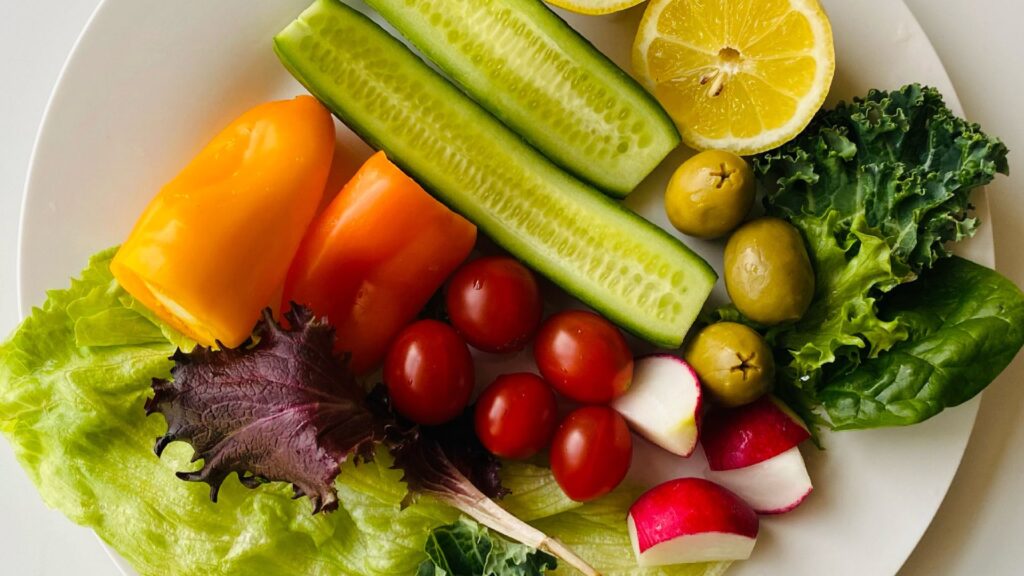
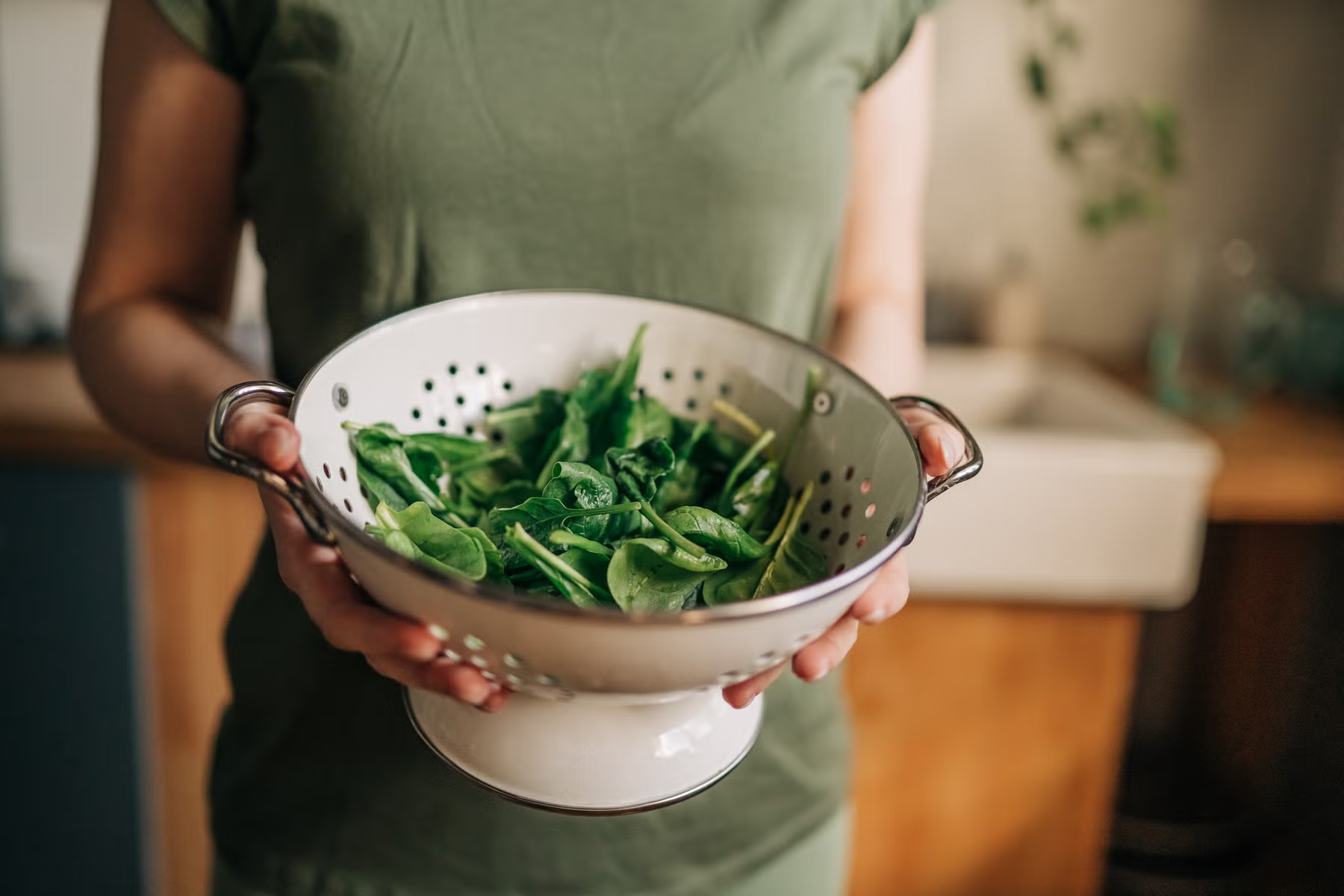
Leafy greens such as spinach, kale, lettuce, and fenugreek leaves are rich in vitamins, minerals, and antioxidants. They contain high levels of potassium, folate, and nitrates that help lower blood pressure and improve blood circulation.
Benefits:
- Reduce blood pressure
- Improve artery function
- Lower inflammation
- Support healthy blood vessels
Aim to include at least one serving of leafy greens daily in salads, soups, or smoothies.
2. Fatty Fish
Fatty fish like salmon, sardines, tuna, and mackerel are excellent sources of omega-3 fatty acids. Omega-3s help reduce inflammation, lower triglycerides, and prevent blood clots.
Benefits:
- Improve heart health
- Reduce clot formation
- Lower bad cholesterol
- Support brain function
Eating fish two times a week may significantly reduce stroke risk.
3. Berries
Blueberries, strawberries, raspberries, and blackberries are loaded with antioxidants called flavonoids. These compounds help protect blood vessels from damage and reduce oxidative stress.
Benefits:
- Improve blood vessel health
- Reduce inflammation
- Lower blood pressure
- Enhance circulation
Berries make a healthy snack and can be added to yogurt, oatmeal, or smoothies.
4. Whole Grains
Whole grains such as oats, brown rice, quinoa, barley, and whole wheat contain fiber and nutrients that support heart health. Fiber helps reduce cholesterol and maintain healthy blood sugar levels.
Benefits:
- Lower cholesterol
- Control blood sugar
- Improve digestion
- Reduce blood pressure
Replacing refined grains with whole grains can lower the risk of cardiovascular diseases and stroke.
5. Nuts and Seeds
Almonds, walnuts, flaxseeds, chia seeds, and sunflower seeds are rich in healthy fats, magnesium, and antioxidants.
Benefits:
- Reduce inflammation
- Improve cholesterol levels
- Support healthy arteries
- Lower blood pressure
A small handful of nuts daily can provide long-term cardiovascular benefits.
6. Fruits Rich in Potassium
Bananas, oranges, avocados, and papayas are excellent sources of potassium. Potassium helps balance sodium levels in the body and supports healthy blood pressure.
Benefits:
- Regulate blood pressure
- Reduce strain on blood vessels
- Improve heart function
Including potassium-rich fruits in your diet may help prevent hypertension, a major stroke risk factor.
7. Beans and Legumes
Lentils, chickpeas, black beans, kidney beans, and peas are packed with protein, fiber, and minerals.
Benefits:
- Lower cholesterol
- Stabilize blood sugar
- Improve heart health
- Reduce inflammation
Beans are an affordable and nutritious addition to soups, curries, and salads.
8. Olive Oi
Olive oil contains healthy monounsaturated fats and antioxidants that protect the heart and blood vessels.
Benefits:
- Reduce bad cholesterol
- Lower inflammation
- Improve blood circulation
Using olive oil instead of butter or processed oils may reduce stroke risk over time.
9. Tomatoes
Tomatoes are rich in lycopene, a powerful antioxidant linked to better heart health.
Benefits:
- Protect arteries
- Reduce oxidative stress
- Support healthy blood flow
Cooked tomatoes and tomato-based sauces often provide even higher lycopene absorption.
10. Dark Chocolate
Dark chocolate with high cocoa content contains flavonoids that improve circulation and lower blood pressure.
Benefits:
- Improve blood vessel flexibility
- Reduce inflammation
- Support heart health
Consume in moderation to avoid excess sugar and calories.
Foods to Avoid for Stroke Prevention
Along with healthy foods, limiting harmful foods is equally important.
Avoid:
- Processed foods
- Sugary drinks
- Excess salt
- Fried foods
- Processed meats
- Trans fats
- Excess alcohol
These foods can raise blood pressure, cholesterol, and body weight, increasing stroke risk.
Lifestyle Tips to Reduce Stroke Risk
A healthy diet works best when combined with healthy habits.
Important lifestyle changes:
- Exercise regularly
- Maintain healthy weight
- Quit smoking
- Control diabetes and blood pressure
- Sleep well
- Manage stress
Small daily changes can have a major impact on long-term brain and heart health.
Conclusion
Eating the right foods can greatly reduce the risk of stroke and improve overall well-being. A diet rich in vegetables, fruits, whole grains, fish, nuts, and healthy fats supports healthy blood circulation, lowers blood pressure, and protects blood vessels.
Instead of relying on one “superfood,” focus on maintaining a balanced and consistent eating pattern. Combined with regular exercise and healthy lifestyle habits, these foods can help protect your brain and heart for years to come.
FAQ
1. Which food is best for preventing stroke?
Leafy green vegetables, fatty fish, berries, and whole grains are among the best foods for reducing stroke risk due to their heart-protective nutrients.
2. Can diet alone prevent stroke?
Diet plays a major role, but stroke prevention also depends on exercise, avoiding smoking, managing stress, and controlling medical conditions like high blood pressure and diabetes.
3. Are eggs good for stroke prevention?
Eggs can be part of a balanced diet when eaten in moderation. They provide protein and nutrients, but excessive intake may not be suitable for people with high cholesterol.
4. Does drinking water reduce stroke risk?
Proper hydration supports healthy blood circulation and may help reduce the risk of clot formation and high blood pressure.
5. Is coffee good or bad for stroke risk?
Moderate coffee intake may offer some benefits due to antioxidants, but excessive caffeine and sugary coffee drinks can increase health risks.
6. What foods increase stroke risk the most?
Processed meats, fried foods, sugary snacks, excess salt, and foods high in trans fats are strongly linked to higher stroke risk.
7. How often should I eat fish to reduce stroke risk?
Health experts generally recommend eating fatty fish at least two times per week for heart and brain benefits.
Also Read: foods that reduce stroke