Table of Contents
Iodine Rich Foods
Iodine is a vital trace mineral that plays a major role in thyroid hormone production, metabolism, brain development, and overall growth. Although the body needs iodine in very small amounts, deficiency can lead to serious health issues such as goitre, fatigue, weight gain, hormonal imbalance, poor cognitive development in children, and weakened immunity. Unfortunately, iodine deficiency is still common in many parts of the world, especially in areas where the soil is low in iodine.
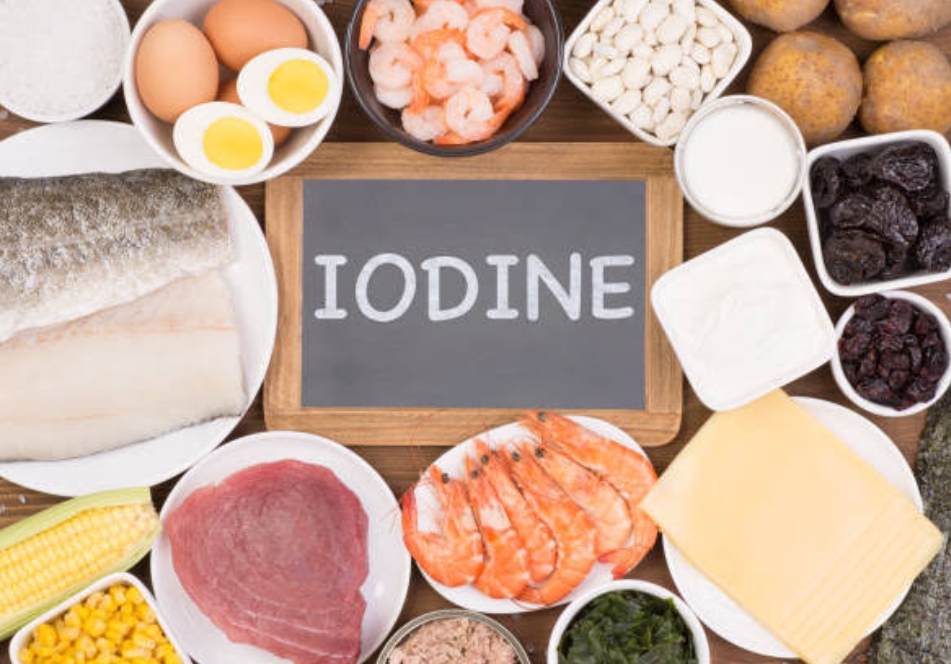
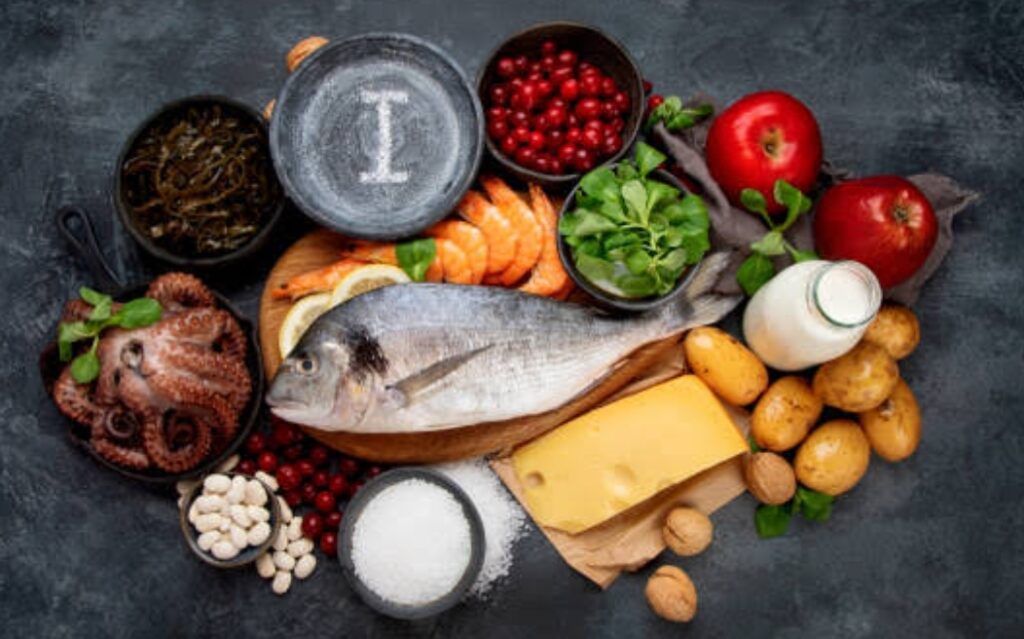
The good news is that adding iodine-rich foods to your daily diet is an easy and natural way to support your thyroid health and overall wellbeing. In this blog, let’s explore the top iodine-rich foods, their benefits, and how you can include them in your meals effortlessly.
1. Iodized Salt – The Most Common Source
When it comes to daily iodine intake, iodized salt is the simplest and most accessible source. A small amount of iodized salt added to your meals can meet your daily requirement without any effort.
Why it’s important:
Iodized salt is fortified with iodine to prevent deficiencies on a population level. Today, many health organizations recommend iodized salt as the primary source of iodine, especially in homes where seafood consumption is low.
How to include:
Use it in regular cooking, but avoid excessive use since too much salt is not good for blood pressure. A balanced approach works best.
Also read: Top 5 Detox Drinks to Cleanse Your Body Naturally
2. Seaweed – The King of Iodine-Rich Foods
Seaweed, especially varieties like kelp, wakame, and nori, is one of the richest natural sources of iodine in the world. In fact, just a small serving of kelp can provide more than the daily required amount.
Benefits:
- Supports thyroid hormone production
- Boosts energy and metabolism
- Rich in other minerals like magnesium, calcium, and iron
- Contains antioxidants that support immunity
How to include:
- Add nori sheets to salads, sushi, or soups
- Use kelp flakes as a seasoning
- Enjoy wakame in miso soup or rice bowls
Seaweed is especially beneficial for vegetarians and vegans who may struggle to get enough iodine from plant-based foods.
3. Fish and Seafood – Natural & Highly Absorbable Sources
Seafood is another excellent source of iodine because ocean water naturally contains high levels of it. Fatty fish and shellfish are especially nutritious and provide iodine in a highly absorbable form.
Top iodine-rich seafood:
- Cod fish
- Tuna
- Shrimp
- Sardines
- Salmon
- Oysters
Benefits:
Apart from iodine, seafood provides omega-3 fatty acids, vitamin D, protein, and minerals essential for heart and brain health.
How to include:
- Add grilled fish to your weekly diet
- Choose seafood soups or curries
- Use canned tuna or sardines for quick meals
If you don’t consume seafood daily, even 2–3 servings a week can boost your iodine intake significantly.
4. Dairy Products – A Reliable Everyday Source
Milk, yogurt, and cheese are great sources of iodine, making them perfect for people who eat dairy regularly. The iodine content comes from iodine-rich cattle feed and sanitization products used during milk processing.
Benefits:
- Supports daily iodine intake
- Provides protein, calcium, and vitamin B12
- Suitable for children, adults, and elderly
Top dairy sources:
- Cow’s milk
- Yogurt (curd)
- Cheese (especially cheddar)
How to include:
- Drink a glass of milk daily
- Add yogurt to meals or smoothies
- Include cheese in sandwiches and salads
For those who are lactose intolerant, lactose-free milk alternatives sometimes contain added iodine—check labels before buying.
Also read: Top 7 Skin Care Routine Steps for Healthy, Glowing Skin
5. Eggs – A Nutritious, Versatile Choice
Eggs, particularly the yolk, provide a moderate amount of iodine. They are an excellent option for people who do not consume seafood but still need a reliable source of iodine.
Benefits:
- Rich in high-quality protein
- Provides iodine, vitamin A, vitamin D, and choline
- Supports thyroid and brain health
How to include:
- Eat boiled eggs for breakfast
- Add them to salads, curries, or sandwiches
- Use eggs in baking or omelettes
One egg a day can contribute meaningfully to your iodine intake.
6. Potatoes – A Plant-Based Source of Iodine
Potatoes may surprise you, but they contain a small amount of iodine, especially when grown in iodine-rich soil. This makes them a valuable plant-based option for vegetarians.
Benefits:
- Good source of iodine, fibre, and vitamin C
- Easily available and affordable
- Can be used in many types of dishes
How to include:
- Boiled or baked potatoes
- Potato sabzi, soups, or salads
- Healthy snacks like roasted potato wedges
To retain minerals, avoid deep frying and try steaming or baking.
7. Fortified Foods – Great for Vegetarians & Vegans
Some packaged foods are fortified with iodine to help meet nutritional needs. These include:
- Fortified cereals
- Plant-based milk (soy, almond, oat)
- Bread and bakery items in certain regions
These are especially helpful for people who do not eat seafood or dairy.
Final Thoughts
Iodine is essential for maintaining a healthy thyroid, regulating metabolism, supporting brain function, and ensuring proper growth. While deficiency can lead to fatigue, hormonal imbalance, and even developmental issues, getting the right amount of iodine is simple when you include iodine-rich foods in your daily diet.
Whether you prefer seafood, dairy, plant-based meals, or simple iodized salt, there are plenty of options to meet your daily requirement. Just remember to consume iodine in balanced amounts—too little or too much can both affect thyroid health.
Also read: 9 Healthy Foods That Are Rich in Iodine