
Foods Rich in Vitamin K
Vitamin K is an essential nutrient that plays a crucial role in blood clotting, bone health, and heart function. Without enough vitamin K, the body may struggle to heal wounds properly and maintain strong bones. Fortunately, many everyday foods are naturally rich in this important vitamin.
There are two main forms of vitamin K: Vitamin K1 (phylloquinone), found mainly in green leafy vegetables, and Vitamin K2 (menaquinone), found in animal products and fermented foods. Including a variety of vitamin K-rich foods in your diet can help support overall health and well-being.
Here are the top 10 foods rich in vitamin K and why they deserve a place on your plate.
Why Is Vitamin K Important?
Vitamin K helps:
- Support normal blood clotting
- Maintain strong and healthy bones
- Improve calcium regulation in the body
- Support cardiovascular health
- Reduce the risk of bone fractures
The recommended daily intake for adults is approximately 90 mcg for women and 120 mcg for men.
Functions of Vitamin K in the Human Body
| Function | Role of Vitamin K | Health Benefits |
|---|---|---|
| Blood Clotting | Helps produce clotting proteins that stop bleeding after an injury. | Prevents excessive bleeding and supports wound healing. |
| Bone Health | Activates proteins that help bind calcium to bones. | Promotes strong bones and reduces fracture risk. |
| Heart Health | Helps regulate calcium deposition in blood vessels. | May reduce the risk of arterial calcification and cardiovascular disease. |
| Calcium Metabolism | Works with vitamin D to direct calcium to bones and teeth. | Supports healthy bones and teeth while preventing calcium buildup in soft tissues. |
| Wound Healing | Assists in the formation of blood clots necessary for healing. | Speeds up recovery from cuts and injuries. |
| Brain Function | Supports the production of certain fats important for brain cells. | May contribute to cognitive health and nervous system function. |
| Cell Growth and Repair | Participates in processes that regulate cell growth. | Helps maintain healthy tissues and organs. |
| Immune Support | Plays a role in maintaining normal body functions and cellular health. | Supports overall health and wellness. |
Vitamin K is primarily known for its role in blood clotting and bone health, but it also contributes to heart health, calcium regulation, and normal cell function.
Top 10 Foods Rich in Vitamin K
1. Kale
Kale is one of the richest sources of vitamin K available. Just one cup of cooked kale provides several times the daily recommended intake.
Benefits:
- Rich in antioxidants
- Supports bone health
- High in fiber and vitamin C
Vitamin K Content: Approximately 1,060 mcg per cooked cup.
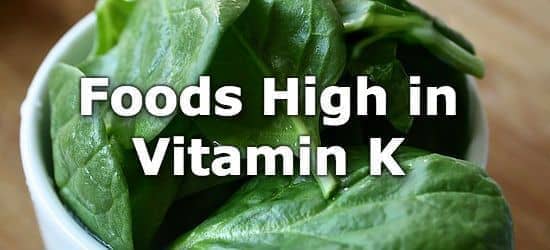
2. Spinach
Spinach is a nutrient powerhouse packed with vitamins, minerals, and antioxidants.
Benefits:
- Supports eye health
- Promotes healthy skin
- Provides iron and folate
Vitamin K Content: Around 890 mcg per cooked cup.
3. Collard Greens
Collard greens are highly nutritious and an excellent source of vitamin K.
Benefits:
- Supports digestion
- Rich in calcium
- Promotes healthy bones
Vitamin K Content: About 770 mcg per cooked cup.
4. Broccoli
Broccoli is a versatile vegetable that supplies a healthy amount of vitamin K along with many other nutrients.
Benefits:
- Rich in fiber
- Supports immune function
- Contains cancer-fighting compounds
Vitamin K Content: Approximately 220 mcg per cooked cup.
5. Brussels Sprouts
These small green vegetables are packed with nutrients and antioxidants.
Benefits:
- Supports digestive health
- Rich in vitamin C
- May help reduce inflammation
Vitamin K Content: Around 219 mcg per cooked cup.
6. Cabbage
Cabbage is affordable, nutritious, and easy to add to meals.
Benefits:
- Supports gut health
- Rich in antioxidants
- Low in calories
Vitamin K Content: Approximately 163 mcg per cooked cup.
7. Lettuce
Many varieties of lettuce, especially romaine and green leaf lettuce, provide a good amount of vitamin K.
Benefits:
- Hydrating
- Low-calorie food
- Supports healthy digestion
Vitamin K Content: About 100–140 mcg per cup, depending on the variety.
8. Parsley
Parsley is more than just a garnish. It is surprisingly rich in vitamin K.
Benefits:
- Contains antioxidants
- Supports immune health
- Adds flavor without extra calories
Vitamin K Content: Around 500 mcg per ½ cup.
9. Natto
Natto is a traditional Japanese fermented soybean dish and one of the best sources of vitamin K2.
Benefits:
- Supports bone health
- Contains probiotics
- May improve heart health
Vitamin K Content: More than 850 mcg per 100 grams.
10. Soybeans
Soybeans and soy-based products provide vitamin K along with plant-based protein.
Benefits:
- Good source of protein
- Supports muscle health
- Contains beneficial plant compounds
Vitamin K Content: Approximately 45–60 mcg per 100 grams.
Vitamin K-Rich Foods at a Glance
| Food | Approximate Vitamin K Content |
|---|---|
| Kale | 1,060 mcg per cooked cup |
| Spinach | 890 mcg per cooked cup |
| Collard Greens | 770 mcg per cooked cup |
| Parsley | 500 mcg per ½ cup |
| Broccoli | 220 mcg per cooked cup |
| Brussels Sprouts | 219 mcg per cooked cup |
| Cabbage | 163 mcg per cooked cup |
| Lettuce | 100–140 mcg per cup |
| Natto | 850+ mcg per 100 g |
| Soybeans | 45–60 mcg per 100 g |
Tips to Increase Your Vitamin K Intake
- Add leafy greens to salads, soups, and smoothies.
- Include broccoli or Brussels sprouts in dinner meals.
- Use fresh parsley as a garnish and seasoning.
- Try fermented foods such as natto for vitamin K2.
- Incorporate soybeans into salads, stir-fries, and snacks.
Can You Get Too Much Vitamin K?
Vitamin K from food is generally considered safe and does not usually cause problems in healthy individuals. However, people taking blood-thinning medications such as warfarin should maintain a consistent vitamin K intake and consult their healthcare provider before making major dietary changes.
Conclusion
Vitamin K is a vital nutrient that supports blood clotting, strong bones, and overall health. Green leafy vegetables such as kale, spinach, and collard greens are among the best natural sources, while fermented foods like natto provide valuable vitamin K2. By including these nutrient-rich foods in your daily diet, you can easily meet your vitamin K needs and support long-term wellness.
Frequently Asked Questions (FAQs)
1. What does vitamin K do in the body?
Vitamin K helps blood clot properly, supports bone strength, and plays a role in heart health by regulating calcium levels.
2. Which food has the highest amount of vitamin K?
Kale is one of the richest natural sources of vitamin K, providing more than 1,000 mcg per cooked cup.
3. What is the difference between vitamin K1 and K2?
Vitamin K1 is mainly found in leafy green vegetables, while vitamin K2 is found in fermented foods and certain animal products.
4. Can vitamin K help strengthen bones?
Yes. Vitamin K supports bone mineralization and may help reduce the risk of fractures.
5. Are vitamin K supplements necessary?
Most people can get enough vitamin K through a balanced diet rich in leafy greens and other nutrient-dense foods.
6. Who should be careful with vitamin K intake?
People taking blood-thinning medications should consult their healthcare provider before significantly increasing or decreasing vitamin K-rich foods.
7. What are signs of vitamin K deficiency?
Symptoms may include easy bruising, excessive bleeding, slow wound healing, and weakened bone health.
8. Can cooking affect vitamin K content?
Vitamin K is relatively stable during cooking, although some nutrient loss may occur depending on the cooking method and duration.
Also Read: Try These 21 Healthy Foods Full of Vitamin K