Ultra-processed foods linked to 67% higher risk of heart attacks
A new study has raised serious concerns about the health impact of ultra-processed foods (UPFs), linking high consumption to a significantly increased risk of heart attacks, strokes, and related deaths. According to research highlighted by Earth.com and presented at a major cardiology conference, individuals who consume large amounts of ultra-processed foods face up to a 67% higher risk of major cardiovascular events compared to those who consume minimal amounts.
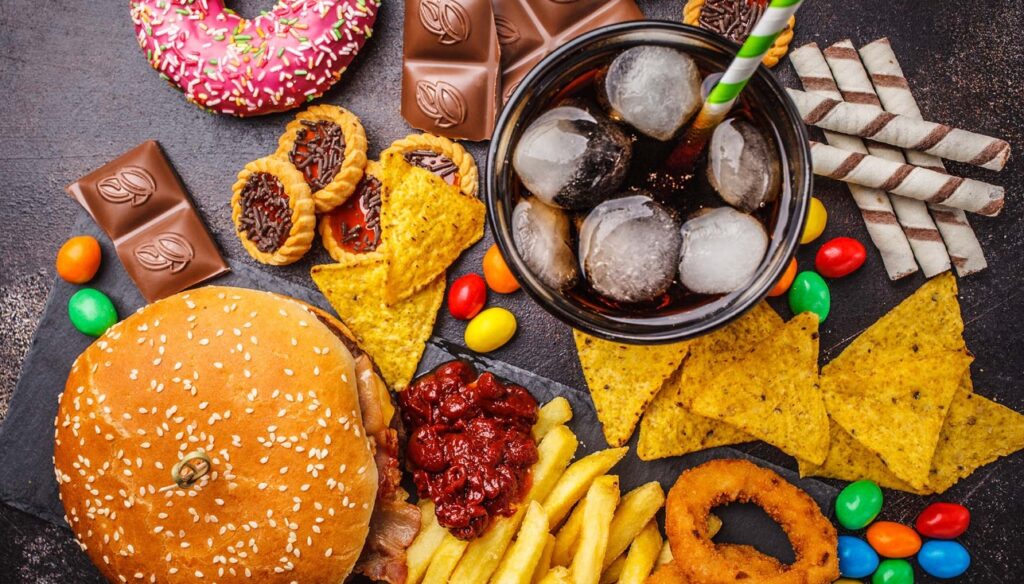
Ultra-processed foods include items such as packaged snacks, sugary drinks, processed meats, frozen meals, and ready-to-eat products. These foods are typically high in added sugars, unhealthy fats, salt, and artificial additives, while offering limited nutritional value.
The study, conducted on thousands of adults, found that people consuming around nine servings of UPFs daily were far more likely to experience heart-related complications than those consuming about one serving per day. Researchers also observed that each additional serving increased cardiovascular risk by about 5%, indicating a steady rise in danger with higher intake.
Importantly, the findings remained consistent even after accounting for other risk factors such as obesity, smoking, and high blood pressure. This suggests that the level of food processing itself may play a direct role in harming heart health.
Health experts believe UPFs may contribute to inflammation, poor gut health, and metabolic disorders—all of which are linked to cardiovascular disease.
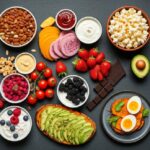
While researchers stress that the study shows association rather than direct causation, they strongly recommend reducing consumption of ultra-processed foods and shifting toward diets rich in fruits, vegetables, whole grains, and lean proteins to protect heart health.
Also Read: health news