Folic Acid Rich Foods
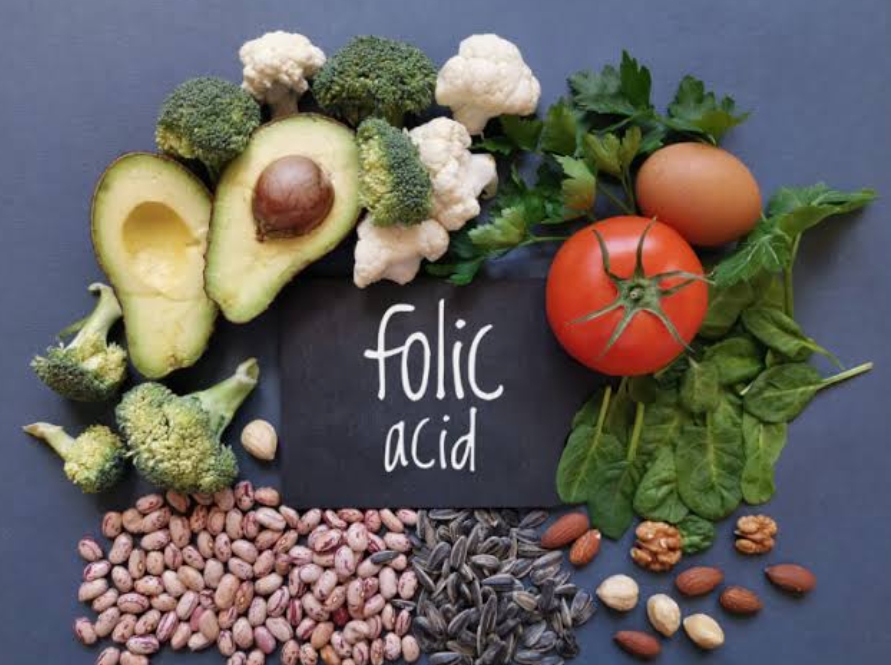
Folic acid, also known as folate or vitamin B9, is a water-soluble vitamin essential for overall health. It plays a key role in DNA formation, cell division, red blood cell production, and proper brain function. Folic acid is especially important for pregnant women because it helps prevent neural tube defects in babies. However, everyone—from children to adults—needs adequate folate for optimal health.
A deficiency in folic acid can lead to anemia, fatigue, poor concentration, and weakened immunity. The recommended daily intake for most adults is about 400 micrograms (mcg), while pregnant women may need around 600 mcg per day.
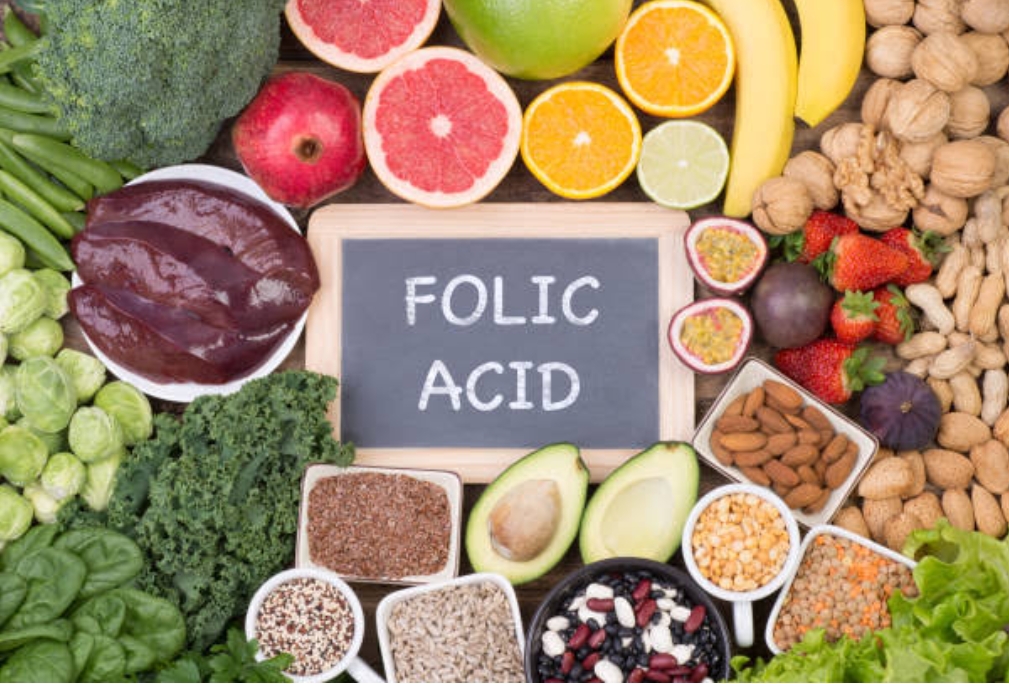
Here are the top 10 folic acid rich foods you should include in your daily diet.
Table of Contents
1. Spinach
Spinach is one of the best plant-based sources of folate. A single cup of cooked spinach provides more than half of the daily recommended intake. It is also rich in iron, magnesium, and antioxidants, making it a powerhouse green leafy vegetable.
How to include: Add spinach to smoothies, soups, curries, or salads.
Also Read: Top 10 Health Benefits of Spinach in Winter
2. Lentils
Lentils are highly nutritious and affordable. One cup of cooked lentils contains a significant amount of folate along with protein and fiber. They support heart health and digestion.
How to include: Prepare dal, lentil soup, or add them to salads and stews.
3. Chickpeas
Chickpeas (chana) are another excellent source of folic acid. They are rich in protein and help maintain stable blood sugar levels.
How to include: Use in hummus, chana masala, roasted snacks, or salads.
Also Read: Amazing 10 Benefits of Makhana
4. Asparagus
Asparagus is low in calories but high in nutrients. Just a few spears can provide a good portion of your daily folate requirement. It also contains vitamins A, C, and K.
How to include: Steam or grill asparagus as a side dish or add to pasta and stir-fries.
5. Avocado
Avocados are nutrient-dense fruits loaded with healthy fats, fiber, and folate. One medium avocado provides a decent amount of vitamin B9.
How to include: Spread on toast, add to smoothies, or prepare guacamole.
6. Broccoli
Broccoli is a cruciferous vegetable rich in folate and antioxidants. It supports immune health and may reduce inflammation.
How to include: Steam lightly, stir-fry, or add to soups and curries.
7. Citrus Fruits
Oranges, lemons, and other citrus fruits are natural sources of folate. They are also high in vitamin C, which enhances iron absorption.
How to include: Drink fresh orange juice or eat whole fruits as snacks.
8. Beetroot
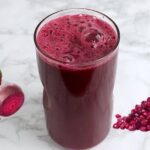
Beetroot contains folate along with essential minerals like potassium and manganese. It supports blood circulation and liver health.
How to include: Add raw beetroot to salads or make beetroot juice.
9. Eggs
Eggs provide moderate amounts of folate along with high-quality protein and essential vitamins. They are easy to prepare and budget-friendly.
How to include: Boiled, scrambled, or in omelets with vegetables.
10. Fortified Cereals
Many breakfast cereals are fortified with folic acid. These can help meet daily requirements, especially for those who may not consume enough leafy greens or legumes.
How to include: Choose whole-grain fortified cereals and pair with milk or yogurt.
Why Folic Acid Is Important
Folic acid supports:
- DNA and RNA synthesis
- Healthy red blood cell production
- Brain function and mood regulation
- Proper fetal development during pregnancy
- Heart health by reducing homocysteine levels
Low levels of folate may result in fatigue, irritability, shortness of breath, and anemia. Pregnant women with insufficient folate intake risk complications in fetal development.
Tips to Preserve Folate in Foods
Folate is sensitive to heat and water. To retain maximum nutrients:
- Avoid overcooking vegetables
- Steam instead of boiling
- Eat some vegetables raw
- Store produce properly
A balanced diet with a variety of these foods can help you meet your daily folate needs naturally.
Frequently Asked Questions (FAQ)
1. What is the difference between folate and folic acid?
Folate is the natural form of vitamin B9 found in foods, while folic acid is the synthetic form used in supplements and fortified foods.
2. How much folic acid do adults need daily?
Most adults need about 400 mcg per day. Pregnant women need around 600 mcg, and breastfeeding women require about 500 mcg.
3. Can I get enough folic acid from food alone?
Yes, if you eat a balanced diet rich in leafy greens, legumes, fruits, and fortified grains, you can meet your daily requirement without supplements.
4. What are the symptoms of folic acid deficiency?
Common symptoms include fatigue, weakness, pale skin, irritability, mouth sores, and anemia.
5. Is folic acid important for men?
Yes, folic acid supports red blood cell formation, heart health, and overall cellular function in both men and women.
6. Can cooking destroy folate?
Yes, excessive heat and boiling reduce folate levels in foods. Steaming or lightly cooking vegetables helps preserve nutrients.
Also Read: Top 10 Foods Rich in Folic Acid and How to Add Them to Your Diet