Can Weight Loss Lower Cholesterol
High cholesterol is one of the most common health concerns today, especially among adults with sedentary lifestyles, unhealthy eating habits, and excess body weight. Many people wonder whether losing weight can actually improve cholesterol levels or if medication is the only solution.
The good news is that weight loss can play a powerful role in lowering cholesterol naturally. Let’s explore how weight loss affects cholesterol, why it works, and how you can use healthy habits to improve your heart health.
Table of Contents
Understanding Cholesterol and Its Types
Cholesterol is a waxy, fat-like substance found in your blood. While your body needs some cholesterol to function properly, too much of it can increase the risk of heart disease and stroke. Cholesterol is mainly divided into three types:
- LDL (Low-Density Lipoprotein) – Known as “bad” cholesterol, high levels can clog arteries.
- HDL (High-Density Lipoprotein) – Called “good” cholesterol, it helps remove excess cholesterol from the bloodstream.
- Triglycerides – A type of fat in the blood that often increases with excess calories and weight gain.
An unhealthy balance—high LDL and triglycerides with low HDL—can significantly raise cardiovascular risk.
Also Read: Top 8 High Protein Snacks for Weight Loss
The Link Between Weight and Cholesterol
Excess body weight, especially around the abdomen, is closely linked to poor cholesterol levels. Being overweight often leads to higher LDL cholesterol and triglycerides while lowering HDL cholesterol. Fat cells, particularly visceral fat (deep belly fat), interfere with the body’s ability to regulate fat metabolism.
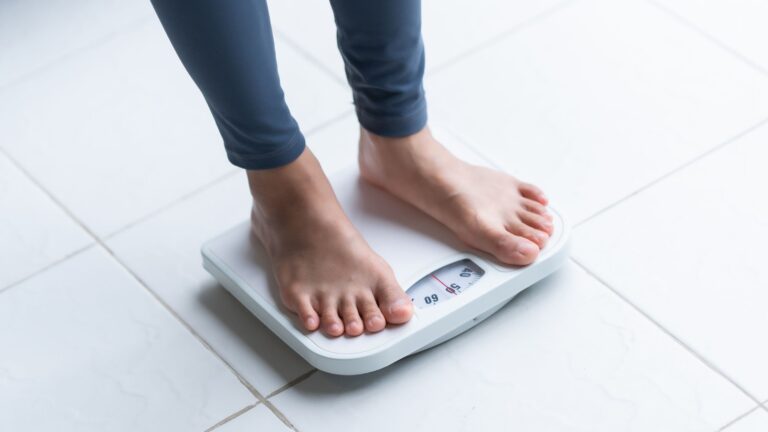
When you lose weight, especially through healthy diet and physical activity, your body becomes more efficient at processing fats. This directly improves cholesterol balance.
How Weight Loss Lowers Cholesterol
- Reduces LDL Cholesterol
Weight loss helps decrease LDL cholesterol by improving how the liver processes and removes cholesterol from the blood. Even a modest weight loss of 5–10% of body weight can lead to noticeable reductions in LDL levels. - Lowers Triglycerides
Triglycerides are strongly linked to excess calories and sugar intake. Weight loss reduces stored fat and improves insulin sensitivity, which helps lower triglyceride levels significantly. - Increases HDL Cholesterol
Losing weight through exercise and balanced nutrition can increase HDL cholesterol. Physical activity, in particular, plays a key role in boosting “good” cholesterol. - Improves Insulin Sensitivity
Weight loss improves insulin function, which reduces fat production in the liver and helps regulate blood lipids more effectively.
How Much Weight Loss Is Needed?
You don’t need extreme weight loss to see benefits. Research shows that:
- Losing 5–10% of body weight can lower LDL cholesterol by 10–15%.
- Triglycerides may drop by 20–30% with consistent weight reduction.
- HDL cholesterol can increase gradually with sustained lifestyle changes.
These improvements significantly reduce the risk of heart disease over time.
Best Ways to Lose Weight for Lower Cholesterol
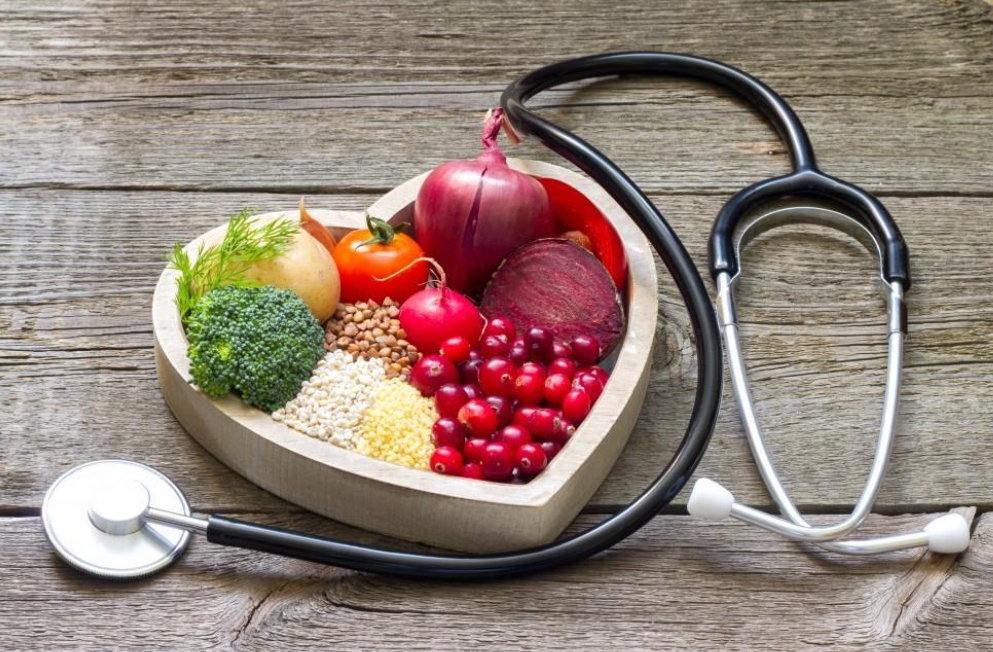
1. Follow a Heart-Healthy Diet
Focus on foods that support weight loss and cholesterol control:
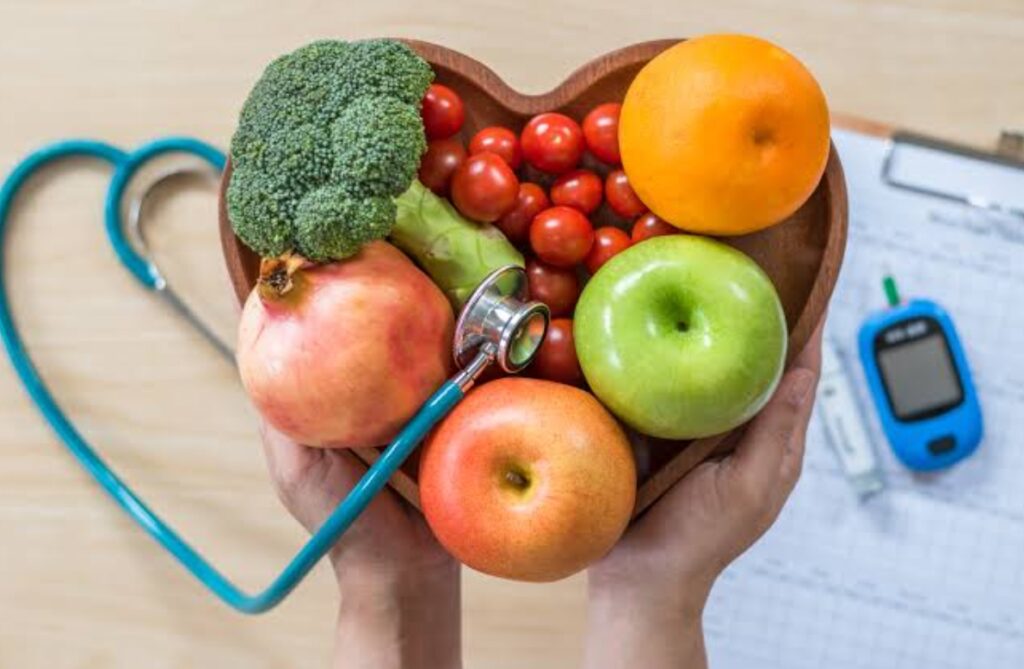
- Fruits and vegetables
- Whole grains like oats and brown rice
- Healthy fats from nuts, seeds, olive oil, and fatty fish
- Lean protein sources such as legumes, eggs, paneer, and fish
Avoid trans fats, deep-fried foods, sugary snacks, and refined carbohydrates.
2. Increase Physical Activity
Regular exercise helps burn calories, reduce fat, and raise HDL cholesterol. Aim for:
- At least 30 minutes of moderate exercise (walking, cycling, yoga) most days
- Strength training 2–3 times per week to boost metabolism
3. Cut Down on Sugar and Refined Carbs
High sugar intake raises triglycerides and promotes weight gain. Replacing sugary drinks and snacks with whole foods can make a big difference.
Also Read: How to Control Sugar Level: 9 Effective Tips for Better Health
4. Manage Stress and Sleep
Chronic stress and poor sleep can slow weight loss and negatively affect cholesterol. Aim for 7–8 hours of quality sleep and practice stress-reducing habits like meditation or deep breathing.
Can Weight Loss Replace Cholesterol Medication?
For some people with mildly elevated cholesterol, weight loss alone may be enough to bring levels back to a healthy range. However, individuals with very high cholesterol, genetic conditions, or existing heart disease may still need medication.
That said, even if medication is required, weight loss enhances its effectiveness and may reduce the required dosage over time. Always consult a healthcare professional before making changes to medication.
Long-Term Benefits of Weight Loss on Cholesterol
Sustainable weight loss doesn’t just improve cholesterol temporarily—it supports long-term heart health. Benefits include:
- Reduced risk of heart attack and stroke
- Better blood pressure control
- Improved blood sugar levels
- Increased energy and overall well-being
The key is consistency rather than quick fixes.
Final Thoughts
So, can weight loss lower cholesterol? The answer is a clear yes. Losing weight through healthy eating, regular exercise, and lifestyle changes can significantly improve cholesterol levels and reduce heart disease risk. Even small, steady progress can lead to meaningful health benefits.
If you’re aiming to lower cholesterol naturally, start with manageable weight loss goals and focus on long-term habits rather than rapid results. Your heart—and your overall health—will thank you.
Also Read: How to Lower Cholesterol with Diet