

Chocolate is one of the world’s most loved foods. From rich dark chocolate bars to creamy hot cocoa, it satisfies sweet cravings while also offering several health benefits when eaten in moderation. While many people think of chocolate as an unhealthy indulgence, research suggests that certain types—especially dark chocolate—contain nutrients and antioxidants that may support heart health, brain function, and overall wellness.
The key is choosing high-quality chocolate with a high cocoa content and enjoying it in reasonable amounts. Let’s explore the amazing health benefits of chocolate and why this sweet treat can be part of a balanced diet.
Table of Contents
Nutritional Value of Chocolate
Dark chocolate is packed with nutrients that can benefit the body. It contains:
| Nutrient | Benefits |
|---|---|
| Iron | Supports healthy blood circulation |
| Magnesium | Helps muscle and nerve function |
| Copper | Supports immune health |
| Manganese | Aids metabolism and bone health |
| Fiber | Supports digestion |
| Antioxidants | Protect cells from damage |
The higher the cocoa percentage, the more beneficial compounds chocolate usually contains.
Top Health Benefits of Chocolate
1. Rich in Powerful Antioxidants
Dark chocolate contains flavonoids, polyphenols, and catechins, which are powerful antioxidants. These compounds help protect the body from free radicals that may contribute to aging and chronic diseases.
In fact, cocoa is considered one of the richest sources of antioxidants among many foods. Regular but moderate consumption may help reduce oxidative stress and support overall health.
2. Supports Heart Health
One of the most well-known benefits of dark chocolate is its positive effect on heart health. Cocoa flavonoids may help improve blood flow, reduce inflammation, and lower blood pressure.
Studies suggest that moderate dark chocolate consumption may:
- Improve circulation
- Reduce bad cholesterol (LDL oxidation)
- Increase good cholesterol (HDL)
- Support healthy blood vessels
These effects may lower the risk of heart disease when combined with a healthy lifestyle.
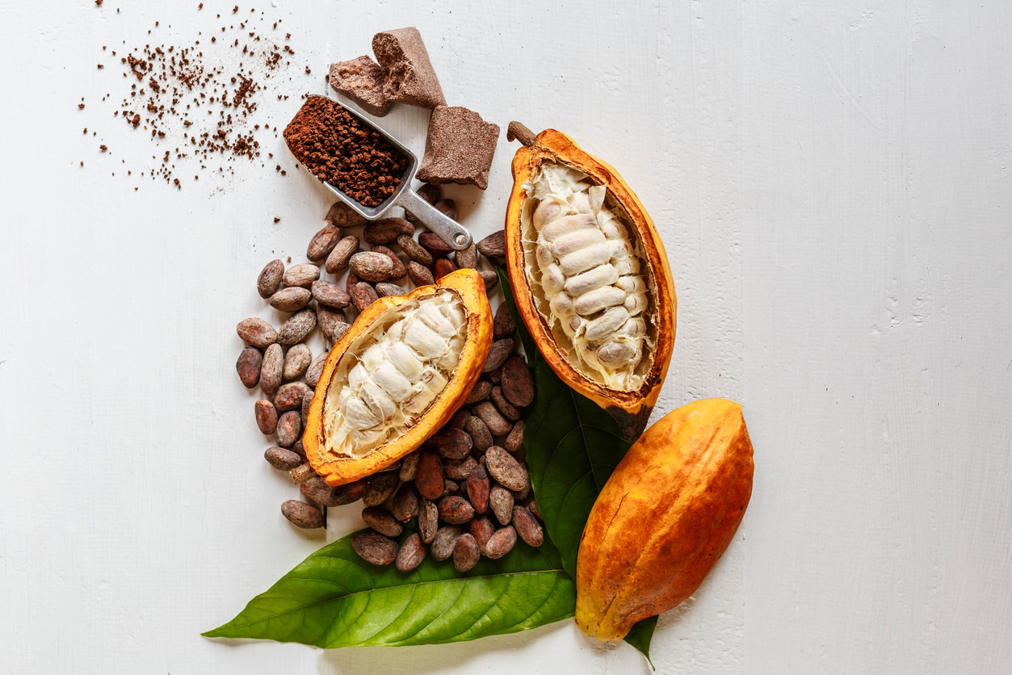
3. May Improve Brain Function
Chocolate may also benefit the brain. The flavonoids in cocoa can improve blood flow to the brain, which may help enhance memory, focus, and cognitive performance.
Some research suggests dark chocolate may:
- Improve concentration
- Support learning and memory
- Reduce mental fatigue
- Enhance mood and alertness
Chocolate also contains small amounts of caffeine and theobromine, which can provide a mild energy boost.
4. Boosts Mood Naturally
Eating chocolate often makes people feel happier, and there’s science behind that feeling. Chocolate stimulates the production of serotonin and endorphins, chemicals linked to pleasure and happiness.
Dark chocolate may help:
- Reduce stress
- Improve mood
- Lower anxiety levels
- Provide comfort during emotional stress
Its magnesium content may also help relax the nervous system.
5. May Help Skin Health
The antioxidants in dark chocolate may protect the skin from damage caused by UV rays and pollution. Cocoa flavonoids can improve skin hydration and blood circulation.
Some possible skin benefits include:
- Better skin texture
- Increased skin hydration
- Reduced sun sensitivity
- Improved skin elasticity
However, excessive sugary chocolate may not offer the same benefits, so dark chocolate is the better choice.
6. Supports Gut Health
Chocolate contains fiber and plant compounds that may support healthy gut bacteria. The beneficial bacteria in the gut ferment cocoa compounds and produce anti-inflammatory substances.
A healthy gut microbiome may improve:
- Digestion
- Immune function
- Nutrient absorption
- Overall health
Choosing minimally processed dark chocolate with less sugar can provide better digestive benefits.
7. May Help Control Blood Sugar
Although chocolate contains sugar, dark chocolate with high cocoa content may improve insulin sensitivity when eaten in moderation. Flavonoids can help the body use insulin more effectively.
This does not mean unlimited chocolate is healthy for diabetes, but small amounts of dark chocolate may fit into a balanced diet.
8. Provides Energy and Stamina
Chocolate contains healthy fats, carbohydrates, and stimulating compounds that may help improve energy levels. Athletes sometimes consume dark chocolate before workouts because cocoa may improve oxygen use and circulation.
A small serving can provide:
- Quick energy
- Improved endurance
- Reduced fatigue
However, moderation remains important because chocolate is calorie-dense.
9. May Reduce Inflammation
Chronic inflammation is linked to many diseases, including heart disease and diabetes. The anti-inflammatory compounds in cocoa may help reduce inflammation markers in the body.
Dark chocolate’s plant compounds may help protect cells and tissues from long-term damage.
10. Can Satisfy Sweet Cravings
One of the practical benefits of chocolate is that it can satisfy cravings with a small serving. Choosing a piece of dark chocolate instead of highly processed desserts may help control overeating.
Dark chocolate is often more filling because of its rich flavor and fiber content.
Best Type of Chocolate for Health
Not all chocolate is equally healthy. Here’s a quick comparison:
| Type of Chocolate | Health Value |
|---|---|
| Dark Chocolate | Highest antioxidants and nutrients |
| Milk Chocolate | More sugar and fat |
| White Chocolate | Contains little or no cocoa solids |
For maximum health benefits, choose dark chocolate with at least 70% cocoa content.
Tips for Eating Chocolate Healthily
- Eat in moderation
- Choose dark chocolate over milk chocolate
- Avoid products with excessive sugar
- Pair chocolate with fruits or nuts
- Limit highly processed chocolate desserts
A small portion a few times a week is generally enough to enjoy the benefits without excess calories.
Also Read: Health benefits chocolate
Conclusion
Chocolate, especially dark chocolate, can offer several impressive health benefits when enjoyed in moderation. From supporting heart and brain health to improving mood and providing antioxidants, cocoa is more than just a tasty treat. The secret lies in choosing high-quality dark chocolate with high cocoa content and keeping portion sizes reasonable.
While chocolate should not replace healthy foods like fruits and vegetables, it can certainly be part of a balanced and enjoyable diet. So the next time you enjoy a piece of dark chocolate, you can savor both the flavor and the potential health benefits.
FAQs About Health Benefits of Chocolate
Is dark chocolate healthier than milk chocolate?
Yes. Dark chocolate contains more cocoa, antioxidants, and minerals, while milk chocolate usually has more sugar and fat.
How much chocolate should I eat daily?
A small serving, around 20–30 grams of dark chocolate, is generally considered moderate.
Can chocolate help reduce stress?
Dark chocolate may help improve mood and reduce stress by increasing serotonin and endorphin levels.
Is chocolate good for the heart?
Moderate consumption of dark chocolate may support heart health by improving blood flow and reducing inflammation.
Does chocolate improve brain function?
The flavonoids in cocoa may improve blood circulation to the brain, supporting focus and memory.
Can people with diabetes eat chocolate?
People with diabetes can enjoy small amounts of dark chocolate with low sugar, but portion control is important.
Is white chocolate healthy?
White chocolate contains little cocoa and fewer beneficial compounds compared to dark chocolate.
Can chocolate cause weight gain?
Eating large amounts of chocolate can contribute to weight gain because it is calorie-dense. Moderation is key.