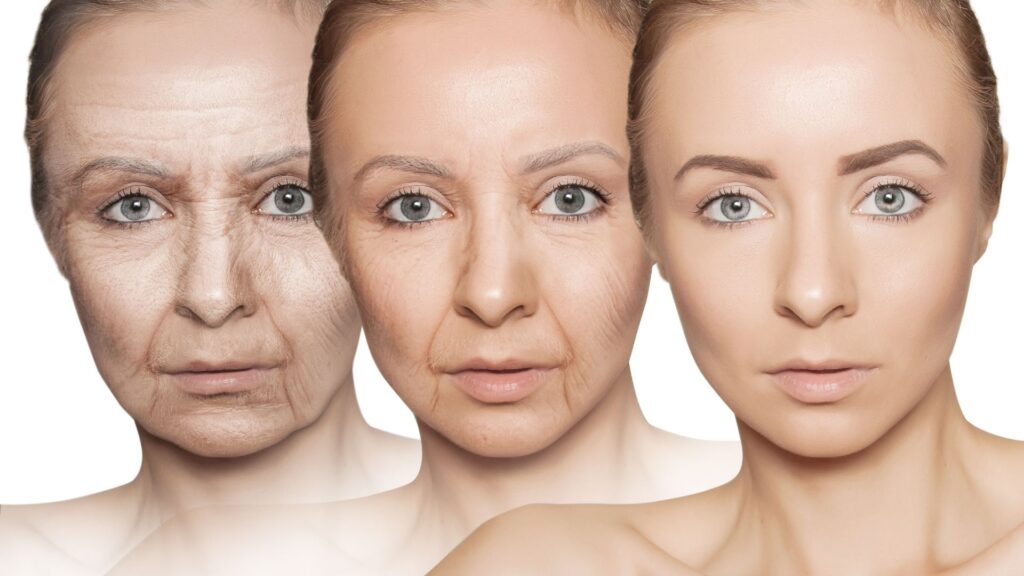
Aging is a natural process, but some everyday foods can speed it up faster than expected. Poor dietary choices may damage your skin, increase inflammation, weaken collagen, and even affect your energy and overall health. While genetics play a role in how we age, your diet has a major impact on how youthful you look and feel.
Table of Contents
What is premature aging
Premature aging is when the body shows signs of aging earlier than expected. It can affect the skin, hair, energy levels, and overall health. Common signs include wrinkles, fine lines, gray hair, weak muscles, fatigue, and memory problems at a younger age. Premature aging is often linked to unhealthy lifestyle habits such as smoking, poor diet, stress, lack of sleep, excessive sun exposure, and alcohol consumption. Pollution and certain medical conditions can also speed up aging.
Eating healthy foods, staying active, drinking enough water, protecting your skin from the sun, and managing stress can help slow down premature aging and support long-term health and wellness.
Here are some common foods that can contribute to premature aging and why limiting them may help you maintain healthier skin and better long-term wellness.
1. Sugary Foods and Drinks
Excess sugar is one of the biggest contributors to premature aging. When you consume too much sugar, it triggers a process called glycation. During glycation, sugar molecules attach to proteins like collagen and elastin, damaging them over time.
Collagen and elastin are responsible for keeping your skin firm and smooth. When they break down, wrinkles, sagging skin, and dullness appear more quickly.
Foods high in sugar include:
- Soft drinks
- Candy
- Cakes and pastries
- Sweetened cereals
- Packaged desserts
Instead of sugary snacks, choose fruits, nuts, or naturally sweet foods in moderation.
2. Processed and Fast Foods
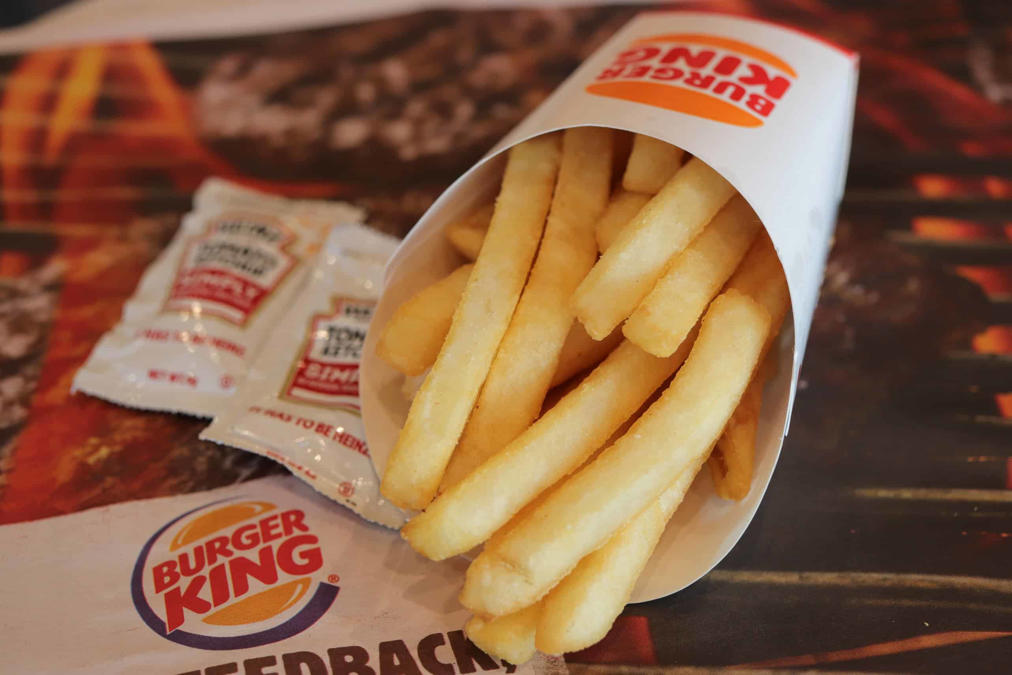
Processed foods are often loaded with unhealthy fats, sodium, preservatives, and refined carbohydrates. Regular consumption can increase inflammation in the body, which accelerates aging.
Fast food may also damage skin health because it lacks essential nutrients like vitamins, antioxidants, and healthy fats needed for skin repair.
Common examples include:
- Burgers and fries
- Instant noodles
- Frozen meals
- Processed meats
- Packaged snacks
Eating fresh home-cooked meals with vegetables, whole grains, and lean protein is a healthier option.
3. Fried Foods
Deep-fried foods contain harmful compounds that form when oils are heated at high temperatures. These compounds create oxidative stress in the body, which damages cells and speeds up aging.
Fried foods may also increase inflammation and contribute to heart disease and obesity.
Foods to limit include:
- Fried chicken
- Potato chips
- Pakoras
- French fries
- Fried street foods
Try grilling, steaming, baking, or air-frying instead.
4. Processed Meats
Processed meats like sausages, bacon, salami, and hot dogs contain preservatives such as nitrates and high amounts of sodium. These ingredients can increase inflammation and damage healthy cells.
Too much sodium may also dehydrate the skin, making wrinkles more noticeable.
Replacing processed meats with fresh fish, eggs, lentils, or lean chicken can support healthier aging.
5. Refined Carbohydrates
Refined carbs are foods that have been stripped of fiber and nutrients. They quickly raise blood sugar levels and can contribute to inflammation and collagen damage.
Examples include:
- White bread
- White rice
- Pasta made from refined flour
- Biscuits
- Sugary breakfast cereals
Whole grains such as oats, brown rice, and whole wheat products provide more nutrients and help stabilize blood sugar.
6. Alcohol
Drinking too much alcohol can dehydrate the body and skin. Dehydrated skin often appears dry, dull, and tired. Alcohol may also interfere with sleep quality and reduce the body’s ability to repair itself overnight.

Heavy alcohol consumption is linked to:
- Puffy eyes
- Fine lines
- Redness
- Uneven skin tone
Limiting alcohol intake and drinking more water can help keep your skin hydrated and healthier.
7. Excess Salt
High-sodium foods can cause water retention and dehydration. This may lead to puffiness around the eyes and dry-looking skin.
Common salty foods include:
- Chips
- Pickles
- Processed soups
- Salted snacks
- Frozen foods
Reducing salt intake and increasing water-rich foods like cucumber and watermelon can support skin hydration.
8. Artificial Sweeteners and Soft Drinks
Diet sodas and artificially flavored drinks may not contain sugar, but many still contribute to poor health habits. Some studies suggest that excessive intake may negatively affect gut health and increase inflammation.
Soft drinks also often contain acids that can damage teeth, making them appear older and weaker over time.
Water, coconut water, herbal tea, and fresh fruit-infused drinks are healthier choices.
9. Burnt or Charred Foods
Cooking foods at very high temperatures can create harmful compounds called advanced glycation end products (AGEs). These compounds increase inflammation and damage collagen.
Charred barbecue meat, burnt toast, and overcooked fried foods may contribute to faster aging when consumed frequently.
Cooking at moderate temperatures helps reduce the formation of these harmful compounds.
Risk factors for premature aging
The following factors may speed up the aging process:
- sun exposure
- smoking
- excessive alcohol consumption
- stress
- an unhealthy diet
- physical inactivity
- inadequate sleep
- air pollution
- genetic disorders such as Werner Syndrome and progeria
Foods That Help Slow Aging
Avoiding harmful foods is important, but adding anti-aging foods is equally beneficial. Consider eating more:
- Berries
- Leafy greens
- Nuts and seeds
- Fatty fish
- Avocados
- Tomatoes
- Green tea
These foods contain antioxidants, vitamins, and healthy fats that help protect the skin and body from damage.
Final Thoughts
Premature aging is influenced by many factors, including stress, sleep, sun exposure, and diet. While occasional treats are fine, regularly eating sugary, fried, processed, and high-sodium foods may speed up the aging process.
Making healthier food choices can improve your skin, energy levels, and overall health over time. A balanced diet rich in whole foods, hydration, and antioxidants can help you age more gracefully and feel better every day.
FAQs About Foods That Cause Premature Aging
What foods age your skin the fastest?
Sugary foods, fried foods, processed meats, and fast foods are among the top foods linked to faster skin aging because they increase inflammation and damage collagen.
Does sugar really cause wrinkles?
Yes. Excess sugar can damage collagen and elastin through a process called glycation, which may lead to wrinkles and sagging skin.
Can drinking water slow aging?
Staying hydrated helps keep the skin healthy, improves elasticity, and reduces dryness, which may help maintain a more youthful appearance.
Are fried foods bad for the skin?
Fried foods may increase oxidative stress and inflammation, both of which can contribute to premature aging and skin damage.
Is coffee bad for aging?
Moderate coffee consumption is generally safe and may even provide antioxidants. However, excessive caffeine combined with poor hydration may affect skin appearance.
What are the best anti-aging foods?
Berries, nuts, leafy greens, fatty fish, avocados, and green tea are considered excellent anti-aging foods because they contain antioxidants and healthy nutrients.
Does alcohol make you look older?
Heavy alcohol consumption can dehydrate the skin, reduce sleep quality, and contribute to wrinkles, puffiness, and dull skin.
Can changing my diet reverse premature aging?
A healthy diet may improve skin appearance and overall wellness over time, although it cannot completely reverse aging. Healthy habits can slow the visible signs of aging.
also Read: premature aging solution