

High blood pressure (hypertension) is one of the most common health concerns worldwide, often called a “silent killer” because it shows few symptoms but can lead to serious conditions like heart disease and stroke. While medications are sometimes necessary, diet plays a crucial role in managing blood pressure. Among natural foods, nuts stand out as a simple, nutritious, and effective addition to your daily routine.
Rich in healthy fats, fiber, minerals, and antioxidants, certain nuts can support heart health and help regulate blood pressure levels. Let’s explore four nuts that may help lower your blood pressure naturally and how to include them in your diet.
Table of Contents
1. Almonds – Heart-Friendly and Nutrient-Rich
Almonds are one of the best nuts for supporting healthy blood pressure. They are rich in magnesium, a mineral that plays a key role in relaxing blood vessels and improving blood flow.
Low magnesium levels are often linked to high blood pressure, so including almonds in your diet can help maintain balance. Almonds are also high in monounsaturated fats, which are known to reduce bad cholesterol (LDL) and improve overall cardiovascular health.
How to include them:
- Eat a handful (about 20–25 almonds) as a snack
- Add sliced almonds to oatmeal or salads
- Use almond butter on whole-grain toast
2. Walnuts – Packed with Omega-3 Fatty Acids
Walnuts are unique among nuts because they are an excellent plant-based source of omega-3 fatty acids, particularly alpha-linolenic acid (ALA). These healthy fats help reduce inflammation and improve blood vessel function, both of which contribute to lower blood pressure.
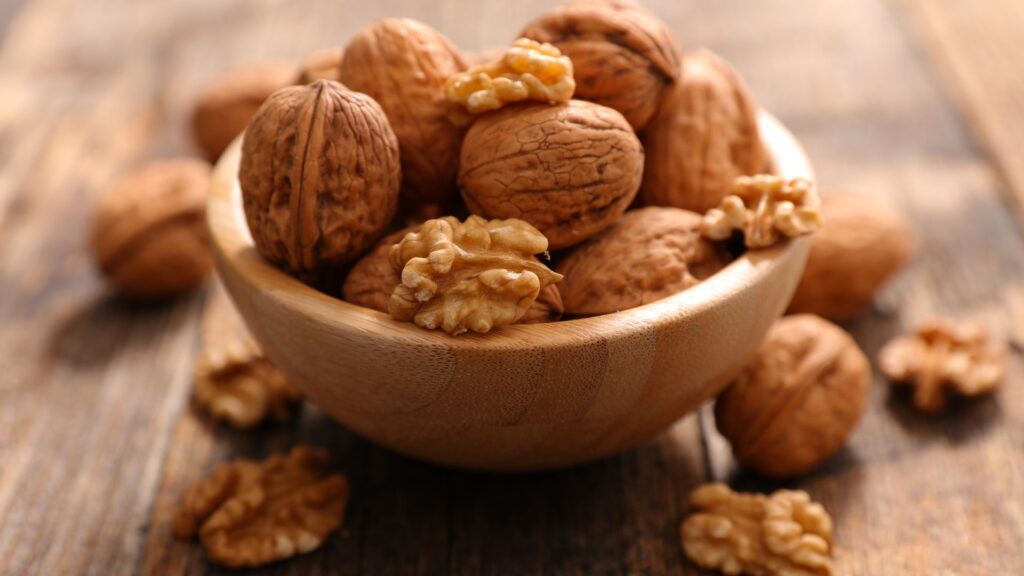
Research suggests that regular walnut consumption may help reduce both systolic and diastolic blood pressure levels.
How to include them:
- Add chopped walnuts to yogurt or smoothies
- Mix them into baked goods
- Snack on a small handful daily
3. Pistachios – Small Nuts with Big Benefits
Pistachios are not only delicious but also highly beneficial for heart health. They contain potassium, a key mineral that helps balance sodium levels in the body and relax blood vessels.
In addition, pistachios may help reduce vascular resistance, making it easier for blood to flow through your arteries. Studies have shown that regular pistachio consumption can significantly reduce blood pressure, especially in people with high stress levels.
How to include them:
- Eat roasted (unsalted) pistachios as a snack
- Sprinkle over salads or rice dishes
- Add to desserts for a crunchy texture
4. Cashews – A Good Source of Magnesium
Cashews are another excellent source of magnesium, which helps regulate blood pressure by supporting proper muscle and nerve function. They also contain healthy fats and antioxidants that contribute to better heart health.
Although slightly higher in calories, moderate consumption of cashews can be beneficial when part of a balanced diet.
How to include them:
- Add to stir-fries or curries
- Blend into creamy sauces
- Eat a small handful as a snack
Tips for Getting the Most Benefits
To maximize the blood pressure-lowering benefits of nuts, keep these tips in mind:
- Choose unsalted varieties: Excess sodium can increase blood pressure, so avoid salted nuts.
- Watch portion sizes: Nuts are calorie-dense, so stick to about a handful per day.
- Combine with a balanced diet: Pair nuts with fruits, vegetables, whole grains, and lean proteins.
- Be consistent: Regular consumption is key to seeing long-term benefits.
Final Thoughts
Adding nuts like almonds, walnuts, pistachios, and cashews to your daily diet is a simple and natural way to support healthy blood pressure. These nutrient-rich foods not only promote heart health but also provide essential vitamins and minerals your body needs.
However, nuts alone won’t replace a healthy lifestyle. Regular exercise, stress management, adequate sleep, and reducing processed foods are equally important in managing blood pressure effectively.
Frequently Asked Questions (FAQ)
1. How many nuts should I eat daily to lower blood pressure?
A small handful (about 28 grams or 1 ounce) per day is generally recommended for health benefits.
2. Can nuts replace blood pressure medication?
No, nuts should not replace prescribed medication. They can support overall heart health but always follow your doctor’s advice.
3. Are roasted nuts healthy?
Yes, as long as they are unsalted and not heavily processed. Dry-roasted nuts are a good option.
4. Which nut is best for high blood pressure?
All four—almonds, walnuts, pistachios, and cashews—offer benefits, but pistachios and almonds are especially effective due to their potassium and magnesium content.
5. Can eating too many nuts increase blood pressure?
Eating excessive amounts, especially salted nuts, may lead to higher sodium intake and weight gain, which can negatively affect blood pressure.
6. Are nuts safe for everyone?
Most people can safely eat nuts, but those with nut allergies should avoid them and seek alternative foods.
If you want, I can also turn this into a web story or add a comparison table for better readability.
Also Read: 8 Health Benefits of Nuts