A healthy gut is essential for overall well-being. Your digestive system does much more than process food—it helps absorb nutrients, supports immune function, and even influences mood and mental health. The trillions of microorganisms living in your digestive tract, collectively known as the gut microbiome, play a crucial role in maintaining digestive health.
Eating gut-friendly foods can nourish beneficial bacteria, improve digestion, reduce inflammation, and promote better overall health. Whether you’re dealing with bloating, constipation, or simply want to support your digestive system, adding the right foods to your diet can make a significant difference.
Table of Contents
What Are Gut-Friendly Foods?
Gut-friendly foods are foods that help maintain a healthy balance of beneficial bacteria in the digestive tract. These foods typically contain probiotics, prebiotics, fiber, and other nutrients that support digestion and gut health.
A balanced diet rich in gut-friendly foods can:
- Improve digestion
- Enhance nutrient absorption
- Strengthen the immune system
- Reduce digestive discomfort
- Support regular bowel movements
- Promote a healthy gut microbiome
Why Should You Take Gut-Friendly Foods?
Gut-friendly foods are important because they help maintain a healthy balance of beneficial bacteria in the digestive system. These foods support proper digestion, improve nutrient absorption, and promote regular bowel movements. A healthy gut also plays a key role in strengthening the immune system, reducing inflammation, and supporting overall well-being.
Foods rich in probiotics and prebiotics, such as yogurt, kefir, bananas, and oats, nourish beneficial gut microbes and help keep harmful bacteria under control. Regularly consuming gut-friendly foods may reduce digestive issues like bloating and constipation while contributing to better energy levels, mood, and long-term health.
Top Gut-Friendly Foods
1. Yogurt
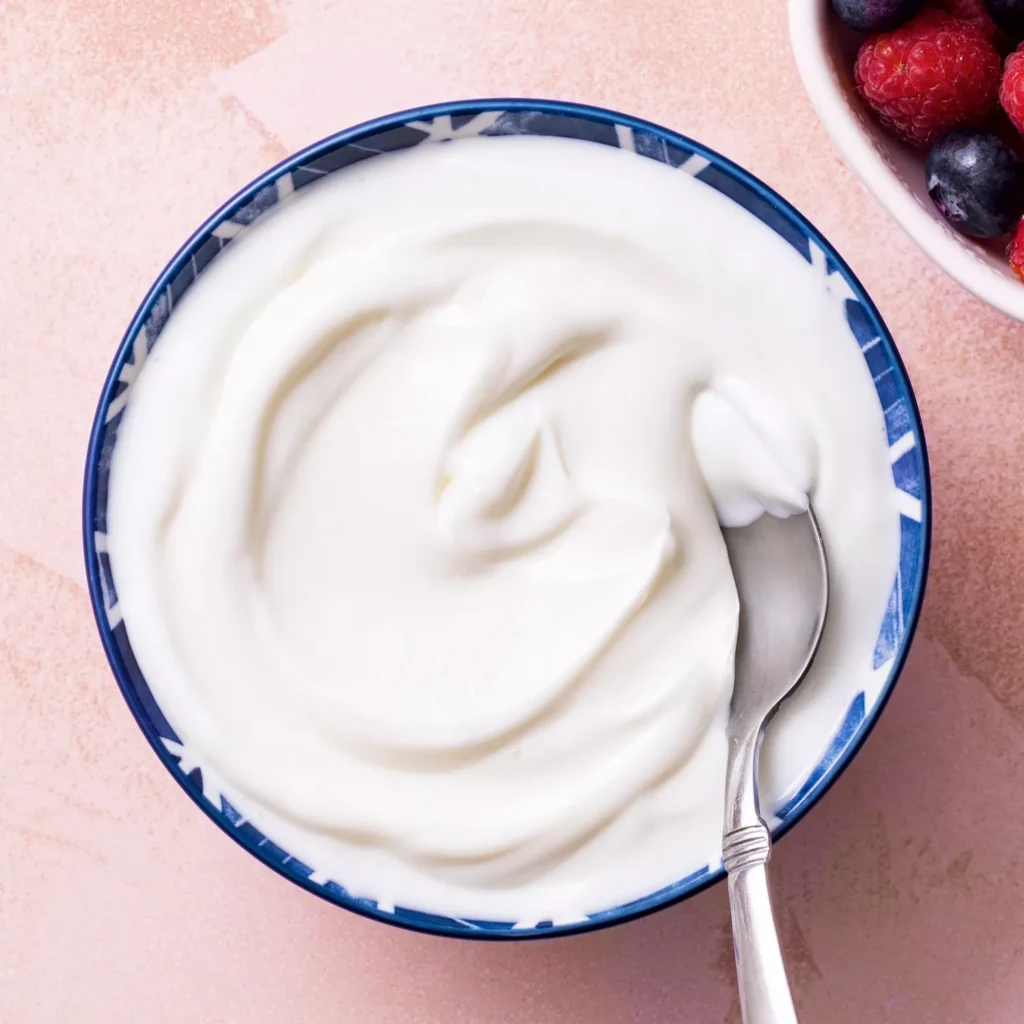
Yogurt is one of the most well-known probiotic foods. It contains live beneficial bacteria that help improve the balance of gut microbes.
Benefits:
- Supports digestion
- Helps reduce bloating
- Promotes healthy gut bacteria
- May improve lactose digestion
Choose plain, unsweetened yogurt with live and active cultures for maximum benefits.
2. Kefir
Kefir is a fermented dairy drink packed with probiotics. It contains a wider variety of beneficial bacteria and yeast than many yogurts.
Benefits:
- Enhances gut microbiome diversity
- Supports digestion
- May reduce inflammation
- Rich in protein and calcium
3. Sauerkraut
Sauerkraut is fermented cabbage that provides probiotics and dietary fiber.
Benefits:
- Improves gut bacterial balance
- Supports immune health
- Contains vitamins C and K
- Helps digestive function
Look for unpasteurized versions, as pasteurization can destroy beneficial bacteria.
4. Kimchi
Kimchi is a traditional Korean fermented vegetable dish rich in probiotics and antioxidants.
Benefits:
- Supports healthy digestion
- Encourages growth of beneficial bacteria
- May improve gut health and immunity
- Contains vitamins and minerals
5. Bananas
Bananas are rich in prebiotics, which serve as food for beneficial gut bacteria.
Benefits:
- Supports healthy gut bacteria
- Helps maintain regular bowel movements
- Easy to digest
- Provides potassium and fiber
Slightly green bananas are particularly high in resistant starch, a beneficial prebiotic fiber.
6. Oats
Oats are an excellent source of soluble fiber, especially beta-glucan.
Benefits:
- Feeds beneficial gut bacteria
- Promotes digestive health
- Helps regulate bowel movements
- Supports heart health
A bowl of oatmeal is a simple and effective way to improve gut health.
7. Garlic
Garlic acts as a natural prebiotic and helps nourish beneficial gut microbes.
Benefits:
- Encourages growth of healthy bacteria
- Supports immune function
- Contains antioxidant compounds
- May help reduce harmful bacteria
Adding fresh garlic to meals can provide digestive benefits.
8. Onions
Like garlic, onions contain prebiotic fibers that support beneficial gut bacteria.
Benefits:
- Improves microbiome health
- Supports digestion
- Provides antioxidants
- Promotes healthy bowel function
Raw onions offer the highest concentration of prebiotic compounds.
9. Apples
Apples are rich in pectin, a soluble fiber that supports gut health.
Benefits:
- Promotes growth of beneficial bacteria
- Supports regular digestion
- Helps maintain gut integrity
- Provides antioxidants
Eating apples with the skin maximizes fiber intake.
10. Legumes
Beans, lentils, chickpeas, and peas are rich in fiber and prebiotics.
Benefits:
- Feed beneficial gut bacteria
- Support digestive regularity
- Improve gut microbiome diversity
- Provide plant-based protein
Gradually increasing intake can help reduce digestive discomfort.
Additional Gut-Friendly Foods
Other foods that can support digestive health include:
- Asparagus
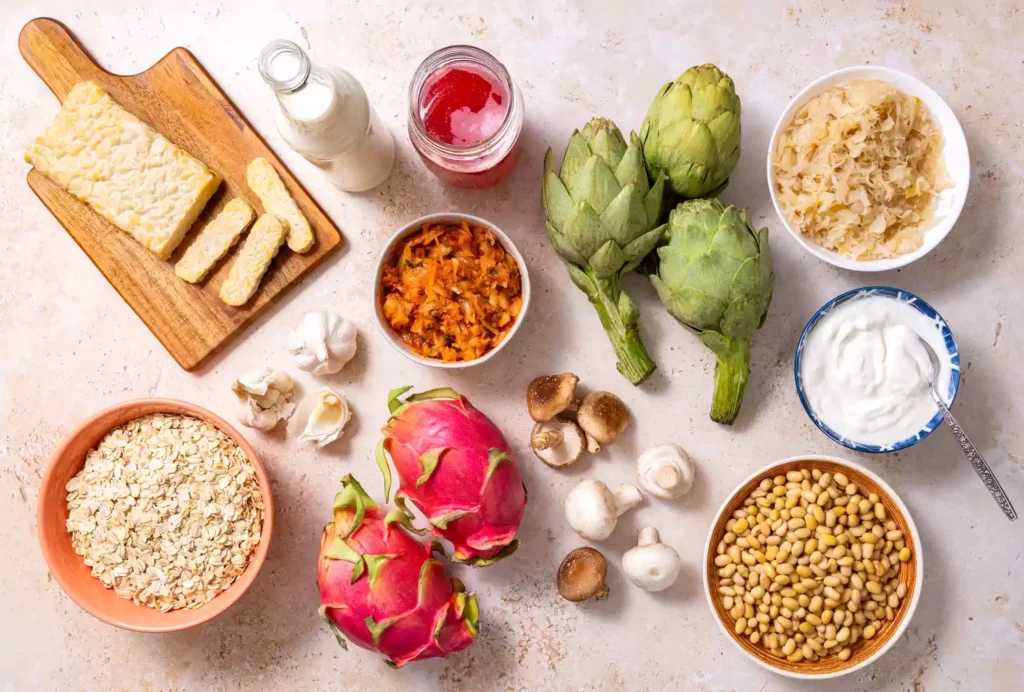
- Artichokes
- Flaxseeds
- Chia seeds
- Whole grains
- Berries
- Leafy green vegetables
- Miso
- Tempeh
- Kombucha
Including a variety of these foods can help create a diverse and healthy gut microbiome.
Foods That May Harm Gut Health
While focusing on gut-friendly foods, it is also important to limit foods that may negatively affect the microbiome:
- Highly processed foods
- Excess added sugars
- Artificial sweeteners
- Excessive alcohol
- Fried foods
- Highly refined carbohydrates
These foods may reduce beneficial bacteria and contribute to digestive issues.
Tips for Improving Gut Health Naturally
Eat More Fiber
Fiber serves as fuel for beneficial gut bacteria. Aim to include fruits, vegetables, legumes, and whole grains daily.
Stay Hydrated
Water supports digestion and helps fiber move through the digestive tract effectively.
Include Fermented Foods
Regular consumption of fermented foods can introduce beneficial probiotics into the gut.
Exercise Regularly
Physical activity has been linked to a healthier and more diverse gut microbiome.
Manage Stress
Chronic stress can negatively affect digestion and gut bacteria. Practices such as meditation, yoga, and deep breathing may help.
Get Enough Sleep
Quality sleep supports overall health, including digestive and immune function.
Conclusion
A healthy gut is the foundation of good health. By including gut-friendly foods such as yogurt, kefir, bananas, oats, apples, garlic, onions, legumes, and fermented vegetables in your diet, you can nourish beneficial bacteria and support digestive wellness. Combined with healthy lifestyle habits like regular exercise, proper hydration, and adequate sleep, these foods can help improve digestion, strengthen immunity, and promote long-term health.
Frequently Asked Questions (FAQs)
1. What are the best foods for gut health?
Some of the best gut-friendly foods include yogurt, kefir, kimchi, sauerkraut, bananas, oats, apples, garlic, onions, and legumes.
2. What is the difference between probiotics and prebiotics?
Probiotics are beneficial live bacteria, while prebiotics are fibers that feed those beneficial bacteria.
3. How often should I eat fermented foods?
Including fermented foods several times a week can help support a healthy gut microbiome.
4. Can gut-friendly foods help with bloating?
Yes. Foods rich in probiotics and fiber may improve digestion and reduce bloating over time.
5. Are bananas good for gut health?
Yes. Bananas contain prebiotic fibers and resistant starch that support beneficial gut bacteria.
6. Which fruits are best for the gut?
Apples, bananas, berries, pears, and kiwi are excellent choices for digestive health.
7. Can poor gut health affect immunity?
Yes. A large portion of the immune system is connected to the digestive tract, making gut health important for immune function.
8. How long does it take to improve gut health?
Positive changes in gut health may begin within a few weeks of adopting a healthier diet, though long-term improvements require consistent healthy habits.
Also Read: 12 Foods to Improve Your Gut Health Overnight