
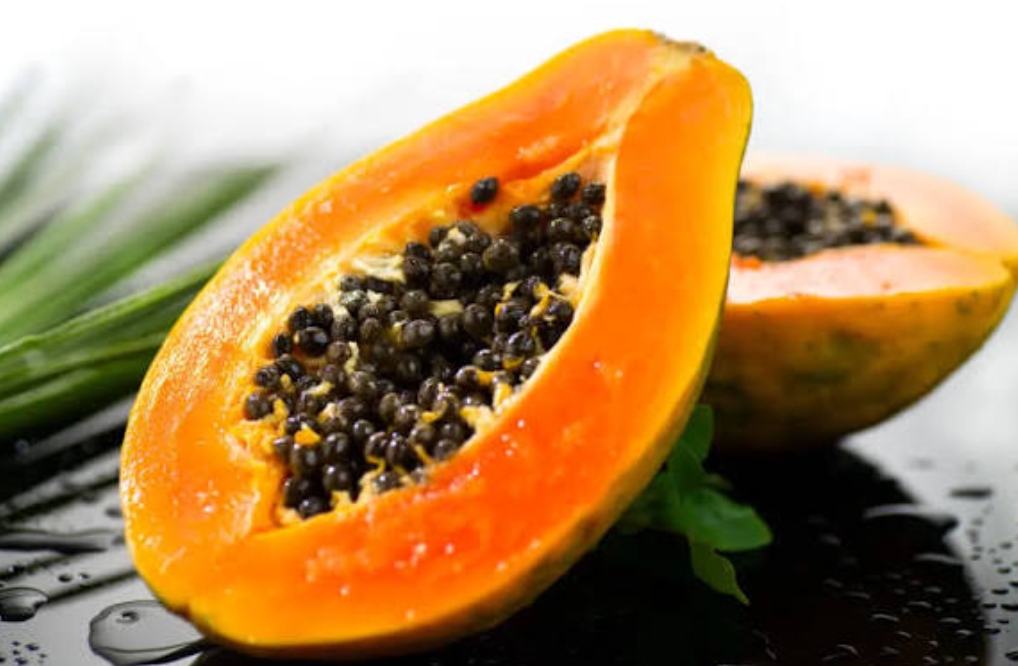
Health Benefits of Papaya
Papaya, often called the “fruit of angels,” is a delicious tropical fruit known for its vibrant orange flesh and numerous health benefits. Native to Central America and now widely grown in tropical regions like India, papaya is not only tasty but also packed with essential nutrients.
Rich in vitamins, minerals, antioxidants, and digestive enzymes, papaya supports overall health and wellness. Whether eaten fresh, added to smoothies, or used in salads, papaya is a versatile fruit that deserves a regular place in your diet.
Table of Contents
Papaya Nutritional Profile (Per 100 g)
- Calories: 43 kcal
- Carbohydrates: 10.8 g
- Fiber: 1.7 g
- Protein: 0.5 g
- Fat: 0.3 g
Vitamins:
- Vitamin C: 60.9 mg
- Vitamin A: 47 µg
- Folate (B9): 37 µg
Minerals:
- Potassium: 182 mg
- Magnesium: 21 mg
- Calcium: 20 mg
Key Compounds: Papain, beta-carotene, lycopene
Highlights: Low-calorie, rich in vitamin C, supports digestion and immunity.
1. Rich Source of Essential Nutrients
Papaya is a nutrient-dense fruit that provides a wide range of vitamins and minerals. It is especially high in vitamin C, vitamin A (from beta-carotene), folate, potassium, and fiber. One cup of papaya provides more than 200% of the recommended daily intake of vitamin C, which is vital for immunity and skin health. The presence of B-complex vitamins helps support energy production and brain function.
2. Improves Digestion
One of the most well-known health benefits of papaya is its positive effect on digestion. Papaya contains an enzyme called papain, which helps break down proteins and improves digestion. This enzyme is especially beneficial for people suffering from indigestion, bloating, constipation, or acidity. Eating ripe papaya regularly can promote smoother bowel movements and maintain a healthy digestive system.

3. Boosts Immunity
Papaya is an immunity-boosting fruit due to its high content of vitamin C, vitamin A, and antioxidants. These nutrients help strengthen the immune system by fighting harmful bacteria, viruses, and free radicals. Regular consumption of papaya may reduce the risk of infections, seasonal flu, and common colds, making it an excellent fruit for all age groups.
Also Read: Top 10 Immunity Booster Drinks to Stay Healthy and Strong
4. Supports Heart Health
Papaya contributes to heart health by reducing bad cholesterol (LDL) and improving good cholesterol (HDL). The fiber, potassium, and antioxidants present in papaya help regulate blood pressure and improve blood circulation. Antioxidants such as lycopene prevent the oxidation of cholesterol, reducing the risk of heart disease, stroke, and atherosclerosis.

Dabur Chyawanprash Awaleha – 900g | With Goodness of Gur (Jaggery)| 3X Immunity Action | No added Sugar | Helps Improve Digestive & Respiratory Health | With Goodness of 40+ Ayurvedic Herbs
5. Beneficial for Skin Health
Papaya is widely used in skincare due to its skin-friendly nutrients. The vitamin C and vitamin A in papaya help reduce wrinkles, fine lines, and signs of aging by promoting collagen production. Papaya also helps remove dead skin cells and unclog pores, resulting in clearer and glowing skin. Applying papaya pulp or consuming the fruit regularly can enhance skin texture naturally.
6. Aids in Weight Loss
Papaya is a low-calorie fruit rich in fiber, making it ideal for weight management. The fiber content helps you feel full for longer, reducing unnecessary snacking. Papaya also improves digestion and metabolism, which supports healthy weight loss. Including papaya in breakfast or as a snack can help control appetite and promote fat loss naturally.
7. Helps Control Blood Sugar Levels
Despite its natural sweetness, papaya has a low glycemic index when consumed in moderation. The fiber in papaya helps regulate blood sugar levels by slowing down sugar absorption in the bloodstream. For people with diabetes, ripe papaya in controlled portions can be a healthy fruit choice. Papaya leaves are also traditionally used to support blood sugar management.
8. Anti-Inflammatory and Antioxidant Properties
Papaya contains powerful antioxidants such as flavonoids, carotenoids, and vitamin C that help reduce inflammation in the body. These compounds protect cells from oxidative stress and may lower the risk of chronic diseases like arthritis, asthma, and certain cancers. Regular intake of antioxidant-rich fruits like papaya supports long-term health.
9. Supports Eye Health
Papaya is rich in vitamin A and beta-carotene, both essential for maintaining good eyesight. These nutrients help prevent age-related eye disorders such as macular degeneration and cataracts. Eating papaya regularly supports healthy vision and protects the eyes from damage caused by free radicals.
10. Promotes Overall Wellness
From improving digestion to enhancing skin and heart health, papaya offers holistic benefits for the body. Its natural enzymes, vitamins, and minerals work together to support overall wellness. Including papaya in your daily diet is a simple and effective way to boost nutrition naturally.
Also Read:Top 9 Broccoli Health Benefits
Frequently Asked Questions (FAQ)
1. Is it good to eat papaya every day?
Yes, eating papaya daily in moderate amounts is safe and beneficial. It supports digestion, immunity, and overall health.
2. Can papaya help with constipation?
Yes, papaya contains fiber and the enzyme papain, which help improve digestion and relieve constipation naturally.
3. Is papaya good for weight loss?
Papaya is low in calories and high in fiber, making it an excellent fruit for weight loss and appetite control.
4. Can diabetic patients eat papaya?
Yes, diabetic patients can eat papaya in moderation, as it has a low glycemic index and helps regulate blood sugar levels.
5. What is the best time to eat papaya?
Papaya is best eaten in the morning or as a mid-meal snack for optimal digestion and nutrient absorption.
Also Read:Top 10 Health Benefits of Papaya