Standing yoga poses form the foundation of many yoga practices. These poses are powerful, energizing, and grounding, making them suitable for beginners as well as advanced practitioners. From improving posture to boosting mental focus, standing yoga poses offer a wide range of physical, mental, and emotional benefits.
Let’s explore how incorporating standing poses into your daily yoga routine can positively impact your overall health.
Table of Contents
What Are Standing Yoga Poses?
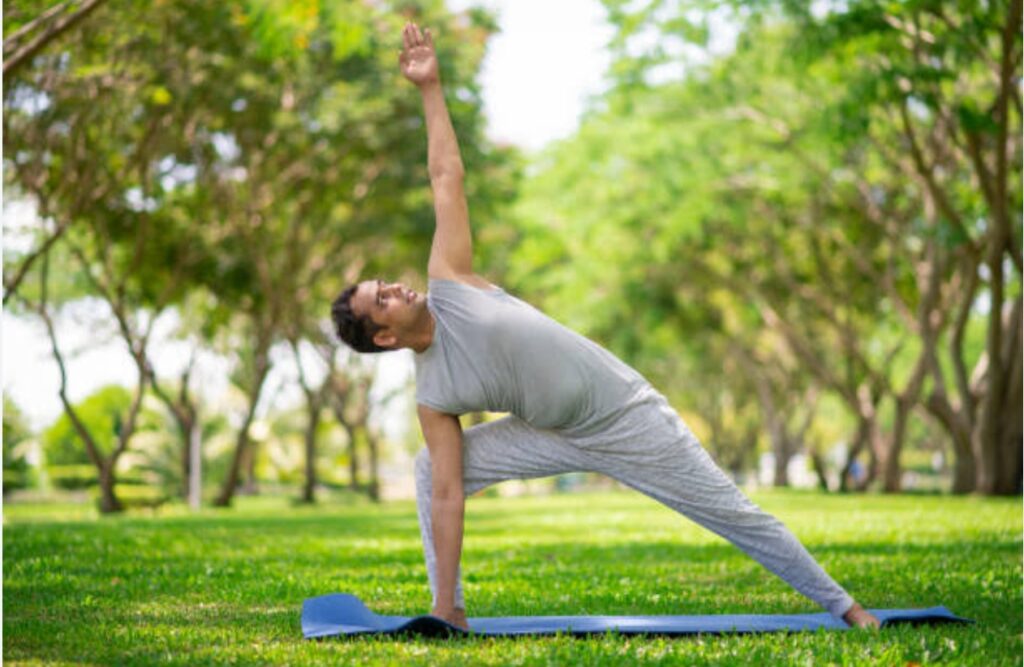
Standing yoga poses are asanas performed while standing on one or both feet. Examples include Tadasana (Mountain Pose), Vrikshasana (Tree Pose), Virabhadrasana (Warrior Poses), Trikonasana (Triangle Pose), and Utkatasana (Chair Pose).
These poses emphasize strength, stability, balance, and alignment. They often act as transitional poses in yoga sequences and help prepare the body for deeper stretches and seated postures.
Physical Benefits of Standing Yoga Poses
1. Builds Strength and Endurance Standing poses engage large muscle groups such as the legs, hips, core, and back. Holding poses like Warrior I, II, and Chair Pose strengthens the thighs, calves, glutes, and abdominal muscles. Over time, this improves muscular endurance and functional strength needed for daily activities.
2. Improves Balance and Stability Balancing poses such as Tree Pose and Eagle Pose train the body to stabilize itself. They strengthen the ankle, knee, and hip joints while improving coordination. Better balance reduces the risk of falls and enhances body awareness.
3. Enhances Posture and Alignment Standing yoga poses encourage proper spinal alignment. Mountain Pose, for instance, teaches awareness of posture by aligning the head, shoulders, hips, and feet. Practicing these poses regularly can correct poor posture caused by long hours of sitting.
4. Increases Flexibility Although standing poses focus on strength, they also stretch the muscles. Triangle Pose stretches the hamstrings, hips, spine, and shoulders, while Warrior poses open the chest and hips. This combination of strength and stretch keeps muscles supple and joints mobile.
5. Boosts Circulation and Energy Levels Standing poses stimulate blood flow throughout the body. The engagement of large muscle groups increases heart rate gently, improving circulation and oxygen delivery. This results in increased energy levels and reduced fatigue.
Mental and Emotional Benefits
1. Improves Focus and Concentration Maintaining balance in standing poses requires mental focus. Concentrating on breath and alignment helps calm the mind and improves attention span. This mental discipline can carry over into daily life, enhancing productivity and clarity.
2. Reduces Stress and Anxiety Grounding poses create a sense of stability and connection with the earth. This grounding effect helps calm the nervous system, reducing stress, anxiety, and restlessness. Slow, mindful breathing during poses further enhances relaxation.
3. Builds Confidence and Inner Strength Standing tall in poses like Warrior or Mountain fosters a sense of strength and self-confidence. These poses symbolize courage, resilience, and stability, positively influencing emotional well-being.
1. Supports Weight Management Standing yoga poses burn more calories than seated or lying poses due to active muscle engagement. When practiced regularly, they support weight management by boosting metabolism and muscle tone.
2. Improves Digestive Health Twisting and bending elements in standing poses gently massage internal organs, aiding digestion and reducing bloating.
3. Enhances Bone Health Weight-bearing poses stimulate bone growth and help maintain bone density. This is especially beneficial in preventing osteoporosis, particularly for older adults.
Who Can Practice Standing Yoga Poses?
Standing yoga poses are suitable for most people, including beginners. They can be modified using blocks, chairs, or wall support. However, individuals with knee, ankle, or back issues should practice under guidance or consult a yoga instructor or healthcare professional.
Focus on proper alignment rather than depth of the pose
Breathe steadily and avoid holding your breath
Use props if needed for support
Stop if you feel pain or discomfort
Conclusion
Standing yoga poses are a vital part of a balanced yoga practice. They build strength, improve balance, enhance posture, and support mental clarity. Whether you are looking to increase physical fitness, reduce stress, or develop mindfulness, standing yoga poses offer holistic benefits for the body and mind. Including them regularly in your routine can lead to better overall health and well-being.
Frequently Asked Questions (FAQ)
1. Are standing yoga poses good for beginners? Yes, many standing poses are beginner-friendly and can be modified. Poses like Mountain, Warrior I, and Tree Pose are excellent for beginners.
2. How often should I practice standing yoga poses? You can practice standing poses daily or at least 3–5 times a week for best results.
3. Can standing yoga poses help with weight loss? Yes, they help burn calories, build muscle, and boost metabolism, which supports weight loss when combined with a healthy diet.
4. Do standing yoga poses improve balance? Absolutely. Balancing poses strengthen stabilizing muscles and improve coordination and body awareness.
5. Are standing yoga poses safe for older adults? Yes, with proper modifications and support, standing yoga poses can improve strength, balance, and bone health in older adults.
6. How long should I hold standing yoga poses? Beginners can hold poses for 15–30 seconds, gradually increasing to 45–60 seconds as strength and balance improve.
As winter arrives, so do chilly winds, dropping temperatures, and a greater risk of getting sick. While winter has its charm—cosy blankets, hot beverages, and…
When it comes to weight loss, the idea of a “magic pill” is incredibly appealing—and yet, unfortunately, reality is far more complex. If you’re looking…