Can We Eat Curd Rice During Fever?
Fever is the body’s natural response to infection, inflammation, or illness. During this time, appetite often reduces, digestioa n becomes weak, and choosing the right foods becomes crucial for recovery. One common question many people ask, especially in Indian households, is “Can we eat curd rice during fever?”
Curd rice is a comfort food known for its cooling effect and easy digestibility, but is it suitable when the body is fighting fever? Let’s explore this in detail.
Table of Contents
Understanding the Body’s Needs During Fever
When you have a fever, your body temperature rises as part of the immune response. The digestive system slows down, and the body requires foods that are:
- Easy to digest
- Hydrating
- Gentle on the stomach
- Supportive of immunity
Heavy, oily, spicy, or hard-to-digest foods can worsen discomfort, nausea, or bloating. That’s why simple foods like rice gruel, khichdi, soups, and sometimes curd rice are often recommended.

What Is Curd Rice?
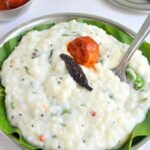
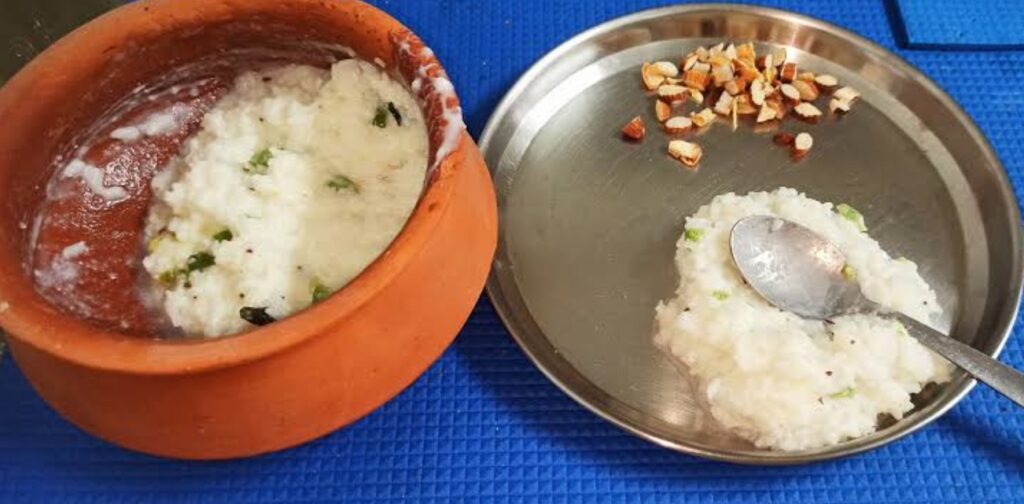
Curd rice is a traditional Indian dish made with cooked rice mixed with curd (yogurt). It is often tempered with mustard seeds, curry leaves, ginger, and sometimes garnished with fruits like pomegranate. Nutritionally, curd rice provides:
- Carbohydrates from rice for energy
- Probiotics from curd for gut health
- Calcium and protein
Because of its soft texture and mild taste, it is generally considered easy on the stomach.
Also Read: Is Curd Rice Good for Acidity? Top 5 Benefits And Health Tips
Can We Eat Curd Rice During Fever?
Yes, curd rice can be eaten during a fever in many cases, but it depends on the type of fever, individual digestion, and how the curd rice is prepared.
When Curd Rice Is Beneficial During Fever
- Easy to Digest
Plain curd rice is soft and light, making it suitable when appetite is low. It does not strain the digestive system. - Helps Maintain Gut Health
Curd contains probiotics that support healthy gut bacteria, which play a role in immunity. During illness, this can aid recovery. - Cooling and Soothing Effect
Fever often causes internal heat and discomfort. Curd rice has a cooling effect that can soothe the stomach and reduce irritation. - Provides Energy
Rice supplies quick energy, which is important when the body is weak and tired during fever. - Good for Medication Side Effects
Many fever medications can irritate the stomach. Curd rice can help calm gastric discomfort.
Also Read:Curd Rice Benefits:10 Reasons you should add to your diet
When You Should Avoid Curd Rice During Fever
Despite its benefits, curd rice is not suitable for everyone during fever.
- Cold, Cough, or Sinus-Related Fever
If fever is accompanied by severe cold, cough, chest congestion, or sinus issues, curd may worsen mucus formation. In such cases, warm foods are better. - Sensitive Digestion
Some people experience bloating, gas, or acidity after consuming curd. If digestion feels weak, it’s better to avoid it. - High Fever with Chills
During high fever with body chills, the cooling nature of curd rice may increase discomfort. Warm, cooked foods are preferable.
Best Way to Eat Curd Rice During Fever
If you decide to eat curd rice during fever, preparation matters.
- Use fresh, homemade curd, not sour or refrigerated curd
- Keep the dish plain and simple
- Avoid heavy tempering, excess oil, green chilies, or raw onions
- Add a small amount of ginger, which helps digestion
- Eat it at room temperature, not cold
Small portions are ideal, as overeating can burden digestion.
Healthier Alternatives If Curd Rice Doesn’t Suit You
If curd rice doesn’t feel right during fever, consider these options:
- Rice kanji or rice gruel
- Vegetable soup or clear chicken soup
- Moong dal khichdi
- Plain toast or soft idli
These foods are warm, light, and easy to digest.
Final though
So, can we eat curd rice during a fever? The answer is yes, in a moderation and under the right conditions. Plain curd rice can be a comforting, nourishing meal during mild fever without severe cold or cough symptoms. However, if fever is accompanied by respiratory issues, chills, or digestive discomfort, it’s best to avoid curd rice and opt for warm foods instead.
Listening to your body is key. What works well for one person may not suit another. When in doubt, consult a healthcare professional, especially if the fever persists.
FAQs
1. Is curd rice good for viral fever?
Curd rice may be suitable during mild viral fever if there is no cold or cough. Keep it plain and consume in small quantities.
2. Can children eat curd rice during fever?
Yes, children can eat plain curd rice during mild fever if they tolerate curd well and have no congestion.
3. Should curd be avoided at night during fever?
It is generally better to avoid curd at night during fever, as digestion slows down and it may increase mucus.
4. Can curd rice reduce body heat during fever? Curd rice has a cooling effect the that may provide comfort, but it does not treat fever itself.
5. What is the best time to eat curd rice during a fever? Lunch or early evening is the best time, when digestion is relatively stronger.
Also Read: Is it good to eat curd during a fever?