
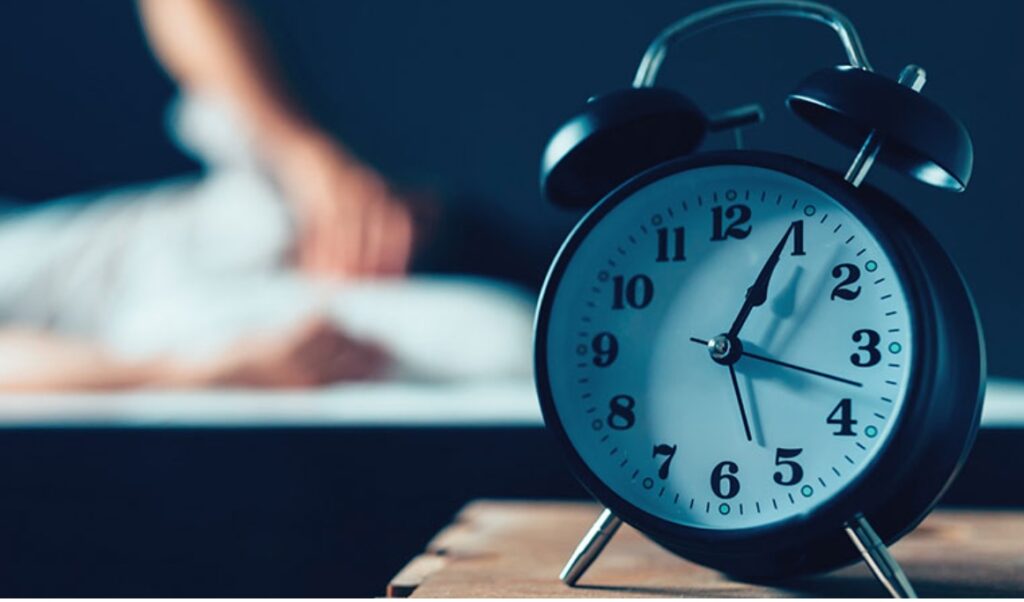
Best Sleep Time for a Healthy Body
Sleep is one of the most powerful pillars of good health, yet it is often neglected in our busy lifestyles. While most people focus on how many hours they sleep, when you sleep is just as important as how long you sleep.
The best sleep time for a healthy body is closely linked to our internal biological clock, also known as the circadian rhythm. Aligning your sleep schedule with this natural rhythm can significantly improve physical health, mental clarity, immunity, and overall well-being.
Table of Contents
Understanding the Body’s Internal Clock
The human body operates on a 24-hour cycle called the circadian rhythm, which regulates sleep, hormone release, digestion, and body temperature. This rhythm is heavily influenced by natural light and darkness. When the sun sets, the brain releases melatonin, the hormone that signals the body it’s time to sleep.
Late-night screen use, artificial lighting, and irregular schedules can disrupt this process, making it harder to fall asleep and reducing sleep quality.
For most adults, the circadian rhythm naturally promotes sleep between 10:00 PM and 6:00 AM. Sleeping during this window allows the body to perform essential repair and recovery functions efficiently.

What Is the Best Sleep Time?
Health experts generally agree that going to bed between 9:30 PM and 10:30 PM is ideal for most people. This timing allows the body to enter deep sleep stages earlier in the night, which are crucial for physical restoration and hormone balance.
During early-night sleep:
- Growth hormone is released, aiding muscle repair and fat metabolism
- The immune system strengthens itself
- Brain cells detoxify, improving memory and focus
- Stress hormones like cortisol decrease
Sleeping late, even if you wake up late, often means missing out on these critical deep sleep phases.
Also Read: Which Foods Are Good for Weight Loss: Best 8 types of food
Best Wake-Up Time for a Healthy Body
Waking up between 5:30 AM and 6:30 AM is considered optimal, especially if you sleep early. Morning light exposure helps reset your circadian rhythm, boosts serotonin (the “feel-good” hormone), and improves alertness throughout the day.
Early wake-up times are associated with:
- Better digestion and metabolism
- Improved mood and mental clarity
- Higher productivity and focus
- More time for morning routines like exercise or meditation
How Many Hours of Sleep Do You Really Need?
While sleep timing is important, duration still matters. Most adults need 7 to 9 hours of quality sleep each night. Teenagers may need 8–10 hours, while older adults typically function well with 7–8 hours.
However, sleeping 8 hours from midnight to 8 AM is not the same as sleeping 8 hours from 10 PM to 6 AM. The latter aligns better with the body’s natural rhythm and offers deeper, more restorative sleep.
Also Read: Best Time to Drink Green Tea for Weight Loss
Health Benefits of Sleeping at the Right Time
- Improved Heart Health
People who sleep earlier tend to have lower blood pressure and reduced risk of heart disease. Late-night sleeping has been linked to increased inflammation and cardiovascular issues. - Better Weight Management
Sleeping on time helps regulate hunger hormones like leptin and ghrelin. Late sleep often increases cravings for sugary and high-calorie foods, leading to weight gain. - Stronger Immunity
The immune system repairs and strengthens itself during deep sleep. Irregular or late sleep weakens immune response, making you more prone to infections. - Enhanced Mental Health
Early and consistent sleep reduces the risk of anxiety, depression, and mood swings. It also improves emotional regulation and stress management. - Improved Skin and Anti-Aging
The term “beauty sleep” exists for a reason. Skin cell regeneration and collagen production peak during early-night sleep, leading to healthier, glowing skin.
What Happens If You Sleep Late Regularly?
Consistently sleeping after midnight can disrupt hormone balance and increase the risk of:
- Obesity and diabetes
- Digestive issues
- Chronic fatigue
- Poor concentration and memory
- Mood disorders
Even if you sleep for many hours, late sleep often results in poorer sleep quality and daytime tiredness.
Tips to Sleep at the Best Time Naturally
- Set a fixed bedtime and wake-up time, even on weekends
- Avoid screens at least 1 hour before bed
- Have dinner early, ideally 2–3 hours before sleep
- Limit caffeine after 2 PM
- Create a calming bedtime routine such as reading or deep breathing
- Keep your bedroom dark, cool, and quiet
Gradually shifting your bedtime earlier by 15–20 minutes each night can help your body adjust without stress.
Final Thoughts
The best sleep time for a healthy body is not just about convenience—it’s about harmony with your body’s natural rhythm. Sleeping between 10 PM and 6 AM allows your body and mind to recover, repair, and rejuvenate efficiently.
By prioritizing early and consistent sleep, you can improve your energy levels, metabolism, mental health, and long-term wellness.
Remember, good sleep is not a luxury—it is a necessity. Align your sleep timing with nature, and your body will thank you with better health, vitality, and balance.
Also Read: When Is the Best Time To Go to Sleep?