
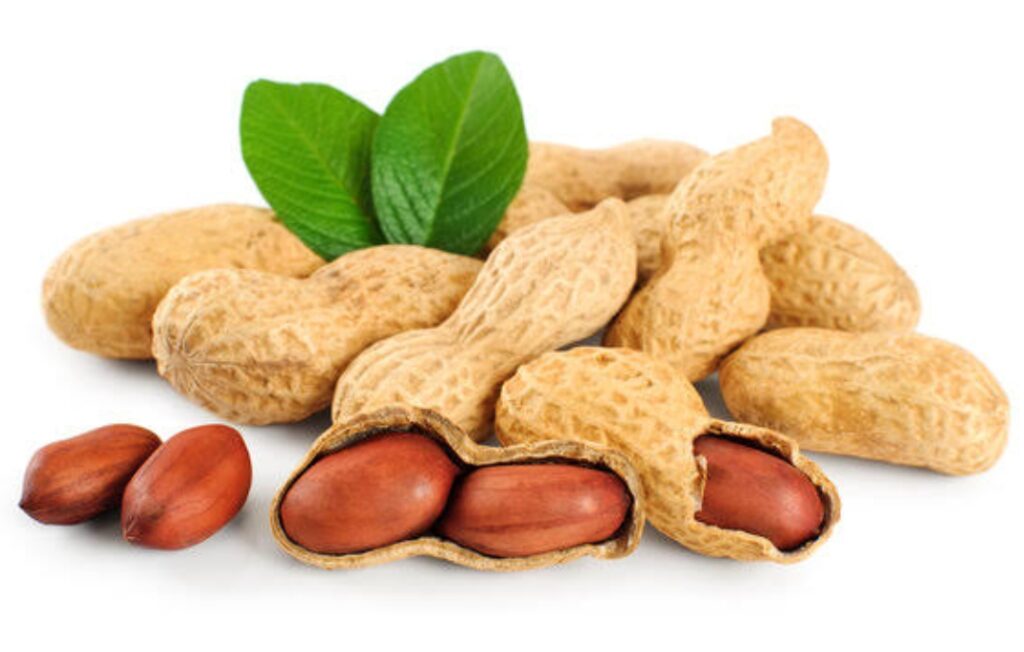
Health Benefits of Peanuts
Peanuts, also known as groundnuts, are one of the most popular and affordable legumes consumed worldwide. Although often mistaken for nuts, peanuts belong to the legume family and are packed with essential nutrients.
From supporting heart health to boosting energy and aiding weight management, peanuts offer numerous health benefits when consumed in moderation. Let’s explore why peanuts deserve a regular place in your diet.
Table of Contents
Here is a short table on the Health benefits of peanuts:
| Health Benefit | How Peanuts Help |
|---|---|
| Heart Health | Rich in healthy fats that help lower bad cholesterol (LDL) |
| High Protein Source | Supports muscle growth and tissue repair |
| Weight Management | Keeps you full longer due to protein and fiber |
| Blood Sugar Control | Low glycemic index helps manage diabetes |
| Brain Health | Contains niacin and vitamin E for better brain function |
| Antioxidant Support | Provides resveratrol to fight oxidative stress |
| Energy Boost | High in calories and B-vitamins for instant energy |
| Bone Health | Contains magnesium and phosphorus for strong bones |
1. Rich Source of Plant-Based Protein
Peanuts are an excellent source of plant-based protein, making them especially beneficial for vegetarians and vegans. About 25–26 grams of protein are present in 100 grams of peanuts. Protein is essential for muscle growth, tissue repair, and overall body maintenance. Regular intake of peanuts helps improve muscle strength and supports recovery after physical activity.
2. Supports Heart Health
One of the most significant health benefits of peanuts is their positive effect on heart health. Peanuts contain healthy monounsaturated and polyunsaturated fats that help reduce bad cholesterol (LDL) and increase good cholesterol (HDL). They are also rich in resveratrol, an antioxidant known to protect against heart disease by reducing inflammation and improving blood vessel function.
3. Helps in Weight Management
Despite being calorie-dense, peanuts can actually help in weight control when eaten in moderate amounts. The combination of protein, fiber, and healthy fats increases satiety, helping you feel full for longer and reducing unnecessary snacking. Studies suggest that people who include peanuts in their diet may have a lower risk of weight gain.
Also Read:Top 8 Healthy Snacks for Weight Loss
4. Improves Brain Health
Peanuts are often called “brain food” because they contain niacin (vitamin B3), which supports cognitive function and memory. They also contain vitamin E, antioxidants, and healthy fats that protect brain cells from oxidative stress. Regular consumption of peanuts may reduce the risk of age-related cognitive decline and improve concentration.
5. Regulates Blood Sugar Levels
Peanuts have a low glycemic index, which means they do not cause a rapid spike in blood sugar levels. This makes them suitable for people with diabetes when consumed in controlled portions. Magnesium present in peanuts also helps regulate blood sugar and improves insulin sensitivity.
6. Strengthens Bones and Teeth
Peanuts are rich in minerals such as magnesium, phosphorus, and calcium, which are essential for maintaining strong bones and teeth. These minerals also play a vital role in energy production and muscle function. Including peanuts in your daily diet can help reduce the risk of bone-related disorders.
7. Boosts Energy and Metabolism
Peanuts are packed with B-complex vitamins such as thiamine, riboflavin, and niacin, which help convert food into energy. They are an excellent snack for people with an active lifestyle, athletes, and growing children. The healthy fats and proteins provide sustained energy without sudden crashes.
8. Enhances Skin and Hair Health
The presence of vitamin E, biotin, and antioxidants in peanuts contributes to healthy skin and hair. Vitamin E protects the skin from damage caused by free radicals, while biotin strengthens hair and reduces hair fall. Peanuts also help maintain skin elasticity and delay signs of aging.
Also Read:Top 12 Health Benefits of Cucumber
9. Supports Digestive Health
Peanuts contain a good amount of dietary fiber, which promotes healthy digestion and prevents constipation. Fiber also supports gut health by encouraging the growth of beneficial bacteria. A healthy digestive system helps improve nutrient absorption and overall immunity.
10. Rich in Antioxidants
Peanuts are loaded with antioxidants such as polyphenols, resveratrol, and p-coumaric acid. These compounds help fight oxidative stress, reduce inflammation, and protect the body against chronic diseases like cancer and heart disease.
Best Ways to Consume Peanuts
- Roasted peanuts (dry-roasted preferred)
- Boiled peanuts
- Peanut butter (natural, unsweetened)
- Peanut chutney
- Added to salads, curries, or snacks
Moderation is key, as excessive consumption can lead to weight gain.
Frequently Asked Questions (FAQ)
1. Are peanuts good for daily consumption?
Yes, peanuts can be consumed daily in moderate amounts. A small handful (30–40 grams) is sufficient to gain health benefits without excess calories.
2. Are peanuts good for weight loss?
Yes, peanuts can support weight loss by keeping you full for longer due to their protein and fiber content. However, portion control is essential.
3. Can diabetics eat peanuts?
Peanuts are safe for diabetics when eaten in moderation. They have a low glycemic index and help regulate blood sugar levels.
4. Are peanuts good for heart health?
Yes, peanuts contain healthy fats and antioxidants that reduce bad cholesterol and support heart health.
5. Is peanut butter healthy?
Natural peanut butter without added sugar, salt, or hydrogenated oils is healthy and nutritious when consumed in moderation.
6. Can peanuts cause allergies?
Yes, peanuts can cause severe allergic reactions in some individuals. People with peanut allergies should strictly avoid them.
7. Are peanuts good for children?
Yes, peanuts are nutritious for children as they provide protein, energy, and essential vitamins. Ensure they are age-appropriate and allergy-free.
Conclusion
Peanuts are a powerhouse of nutrition offering multiple health benefits, including improved heart health, better digestion, enhanced brain function, and sustained energy. Affordable, versatile, and delicious, peanuts can be a valuable addition to a balanced diet when consumed wisely.