Dried Coconut Health Benefits
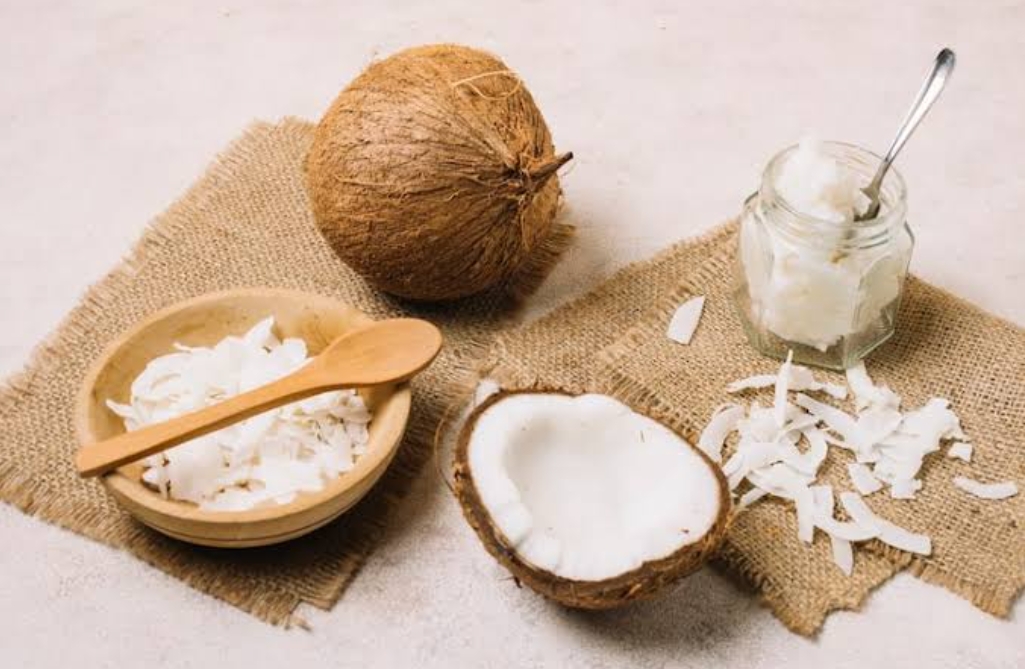
Dried coconut, also known as desiccated coconut, is made by removing moisture from fresh coconut meat. While drying extends its shelf life, it also concentrates many of the nutrients found in fresh coconut. Widely used in cooking, baking, sweets, and traditional remedies, dried coconut is not just flavorful but also packed with health benefits.
Let’s explore why dried coconut deserves a place in your daily diet.
Table of Contents
Nutritional Value of Dried Coconut
Dried coconut is rich in healthy fats, fiber, vitamins, and minerals. It contains:
- Healthy saturated fats (mainly medium-chain triglycerides or MCTs)
- Dietary fiber
- Iron, manganese, copper, and selenium
- Small amounts of protein
- Antioxidants
Because the water content is removed, dried coconut is more calorie-dense than fresh coconut, making portion control important.
1. Supports Digestive Health
One of the biggest health benefits of dried coconut is its high fiber content. Fiber aids digestion by promoting regular bowel movements and preventing constipation. It also supports gut health by feeding beneficial gut bacteria, which helps improve overall digestive efficiency.
Regular consumption of fiber-rich foods like dried coconut may reduce the risk of digestive disorders such as bloating, irritable bowel syndrome, and hemorrhoids.
2. Boosts Energy Levels
Dried coconut is an excellent source of healthy fats, particularly MCTs. These fats are quickly absorbed and converted into energy by the liver, making dried coconut a great natural energy booster. Athletes and physically active individuals often benefit from foods rich in MCTs for sustained energy.
Unlike refined carbohydrates, the energy from dried coconut is long-lasting and does not cause sudden spikes or crashes in blood sugar levels.
3. Promotes Heart Health
Although dried coconut contains saturated fats, these fats are mostly plant-based and differ from unhealthy trans fats. The MCTs in dried coconut may help increase good HDL cholesterol levels when consumed in moderation.
Additionally, the fiber content helps lower bad LDL cholesterol by reducing its absorption in the bloodstream, supporting overall cardiovascular health.

4. Aids in Weight Management
Despite being calorie-dense, dried coconut can support weight management when eaten in controlled portions. The combination of fiber and healthy fats promotes a feeling of fullness, reducing hunger and unnecessary snacking.
MCTs are known to boost metabolism and increase fat burning, which may help with weight control when combined with a balanced diet and regular exercise.
Also Read: Top 8 Healthy Snacks for Weight Loss
5. Strengthens Immunity
Dried coconut contains antioxidants and antimicrobial compounds that help strengthen the immune system. Lauric acid, found in coconut, has antibacterial, antiviral, and antifungal properties that protect the body against infections.
Regular intake of dried coconut may help improve the body’s natural defense system and reduce the risk of common illnesses.
Also Read: Top 10 Immunity Booster Drinks to Stay Healthy and Strong
6. Improves Bone Health
Minerals such as manganese, copper, and phosphorus found in dried coconut play an important role in maintaining strong bones and connective tissues. Manganese, in particular, is essential for bone formation and calcium absorption.
Including dried coconut in your diet can support bone density and reduce the risk of bone-related disorders over time.
7. Supports Brain Function
The MCTs in dried coconut provide an alternative energy source for the brain. Some studies suggest that MCTs may help improve cognitive function and memory by supplying quick fuel to brain cells.
This makes dried coconut a beneficial addition to the diet for mental alertness and long-term brain health.
8. Helps Maintain Healthy Skin and Hair
Dried coconut contains healthy fats and antioxidants that nourish the skin and hair from within. These nutrients help maintain skin elasticity, reduce dryness, and promote a natural glow.
The fats in coconut also support hair strength and shine, making dried coconut beneficial for overall beauty and skin health.
9. Good Source of Plant-Based Nutrition
For vegetarians and vegans, dried coconut is a valuable plant-based food that provides essential nutrients, healthy fats, and energy. It can be easily added to smoothies, curries, desserts, cereals, and snacks.
How to Include Dried Coconut in Your Diet
- Add it to smoothies and yogurt
- Use it in baking and desserts
- Sprinkle over salads or oatmeal
- Mix into curries or vegetable dishes
- Eat as a light snack in small portions
Precautions and Moderation
While dried coconut is nutritious, it is high in calories and fats. Overconsumption may lead to weight gain. People with high cholesterol or those on calorie-restricted diets should consume it in moderation.
Frequently Asked Questions (FAQ)
1. Is dried coconut healthier than fresh coconut?
Both are healthy, but dried coconut is more calorie-dense due to lower water content. Fresh coconut is more hydrating, while dried coconut offers concentrated nutrients.
2. Can dried coconut help with weight loss?
Yes, when eaten in moderation. Its fiber and MCTs promote fullness and boost metabolism, which may support weight management.
3. Is dried coconut good for digestion?
Absolutely. Its high fiber content helps improve digestion, prevent constipation, and support gut health.
4. Can people with diabetes eat dried coconut?
Dried coconut has a low glycemic impact but is calorie-dense. People with diabetes should consume it in small portions and consult a healthcare professional if needed.
5. How much dried coconut should I eat daily?
A small handful (about 20–30 grams) per day is generally sufficient to enjoy its health benefits without excess calorie intake.
Also Read:7 Health Benefits of Coconut