

Benefits of Eating Guava
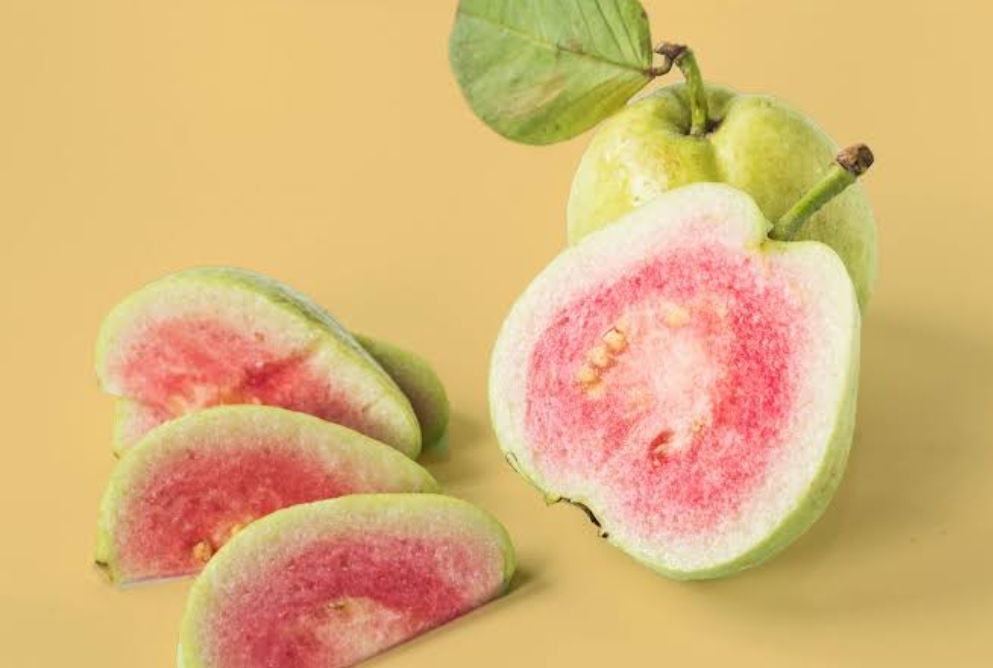
Guava is a tropical fruit that is widely loved for its sweet taste, refreshing aroma, and impressive nutritional value. Available throughout the year in many regions, guava is not only affordable but also packed with essential vitamins, minerals, and antioxidants.
Eating guava regularly can support digestion, boost immunity, improve heart health, and contribute to overall well-being. Let’s explore the many health benefits of eating guava and why it deserves a place in your daily diet.
Table of Contents
Nutritional value of guava
Guava is a highly nutritious tropical fruit packed with essential vitamins and minerals. It is especially rich in vitamin C, providing more than twice the daily requirement in a single fruit, which helps boost immunity and skin health. Guava also contains a good amount of dietary fiber that supports digestion and prevents constipation. It is a source of vitamin A, folate, potassium, and magnesium, which are important for eye health, heart function, and blood pressure control. Low in calories and fat, guava is ideal for weight management. It also contains antioxidants like lycopene that protect the body from oxidative stress.
Rich Source of Vitamin C
One of the biggest benefits of eating guava is its extremely high vitamin C content. In fact, guava contains more vitamin C than oranges. Vitamin C plays a vital role in strengthening the immune system, helping the body fight infections, colds, and flu.
It also supports collagen production, which is essential for healthy skin, joints, and tissues. Regular consumption of guava can help improve immunity and reduce the risk of common illnesses.
Improves Digestive Health
Guava is rich in dietary fiber, which is essential for a healthy digestive system. Eating guava helps regulate bowel movements and prevents constipation. The fiber content adds bulk to stool and supports smooth digestion. Guava leaves are also known for their digestive benefits, as they may help reduce diarrhea and stomach discomfort. Including guava in your diet can promote gut health and improve overall digestion.
Supports Heart Health
Another important benefit of eating guava is its positive effect on heart health. Guava contains potassium, which helps regulate blood pressure by balancing sodium levels in the body. The soluble fibre in guava helps reduce bad cholesterol (LDL) while maintaining good cholesterol (HDL).
Antioxidants present in guava protect the heart from oxidative stress, lowering the risk of heart disease when consumed regularly as part of a balanced diet.
Helps Control Blood Sugar Levels
Guava is considered a diabetic-friendly fruit when eaten in moderation. Its low glycemic index and high fibre content help slow down the absorption of sugar into the bloodstream. This prevents sudden spikes in blood glucose levels. Studies suggest that guava leaf extracts may also improve insulin sensitivity. Eating guava without added sugar can be beneficial for people managing diabetes.
Also Read:Top 8 Exercises for Heart Health
Aids in Weight Management
If you are trying to lose or maintain weight, guava can be a smart choice. It is low in calories, high in fiber, and keeps you feeling full for longer periods. The fiber content helps control hunger cravings and reduces overeating. Guava also provides essential nutrients without adding excess calories, making it a healthy snack for weight management.
Also Read:Top 8 High-Protein Snacks for Weight Loss
Enhances Skin Health
Guava is rich in antioxidants, vitamin C, and vitamin A, all of which contribute to healthy and glowing skin. Vitamin C helps reduce signs of aging by promoting collagen production and fighting free radicals that cause wrinkles and fine lines. Antioxidants in guava help protect the skin from environmental damage. Regular consumption may improve skin texture and reduce acne-related inflammation.
Boosts Brain Function
Guava contains vitamin B3 (niacin) and vitamin B6, which help improve blood circulation to the brain and support nerve function. These nutrients play a role in enhancing concentration, memory, and cognitive health. Eating guava may help reduce mental fatigue and support overall brain performance, especially when included in a nutrient-rich diet.
Strengthens Immunity
In addition to vitamin C, guava contains antioxidants such as flavonoids, carotenoids, and polyphenols that help strengthen the immune system. These compounds protect the body against infections, inflammation, and chronic diseases. Eating guava regularly supports the body’s natural defense system and promotes long-term health.
Good for Eye Health
Guava contains vitamin A and beta-carotene, which are important for maintaining good vision. These nutrients help protect the eyes from infections and age-related eye problems such as macular degeneration. Including guava in your diet may support long-term eye health and improve visual clarity.
Supports Overall Nutrition
Guava is a nutrient-dense fruit that provides essential minerals such as magnesium, calcium, and iron. These minerals support bone health, muscle function, and energy production. Eating guava as part of a balanced diet helps meet daily nutritional needs and supports overall health.
FAQs About Eating Guava
1. Is it healthy to eat guava every day?
Yes, eating guava daily in moderate amounts is healthy. It provides essential vitamins, fiber, and antioxidants that support digestion, immunity, and heart health.
2. Can people with diabetes eat guava?
Yes, people with diabetes can eat guava in moderation. Its low glycemic index and high fiber content help manage blood sugar levels.
3. Is it safe to eat guava at night?
Eating guava at night is generally safe, but people with sensitive digestion may prefer to eat it earlier in the day to avoid bloating.
4. Does guava help in weight loss?
Yes, guava supports weight loss due to its low calorie content and high fiber, which helps control hunger and keeps you full longer.
5. Should guava be eaten with or without seeds?
Guava seeds are edible and contain fiber, but some people may find them hard to digest. You can eat guava with or without seeds based on your preference.
6. Is raw guava better than cooked guava?
Raw guava retains more vitamin C and nutrients. Cooking may reduce some nutritional value, so fresh guava is generally more beneficial.
Conclusion:
Eating guava regularly can offer numerous health benefits, from improving digestion and immunity to supporting heart health and glowing skin. Easy to include in your daily diet, guava is a simple yet powerful fruit that promotes overall wellness naturally.
Also Read:10 Amazing Health Benefits of Guava You Need to Know