
At-Home, Mail-In Finger-Stick Test Flags Alzheimer’s Biomarkers Linked to Cognitive Decline
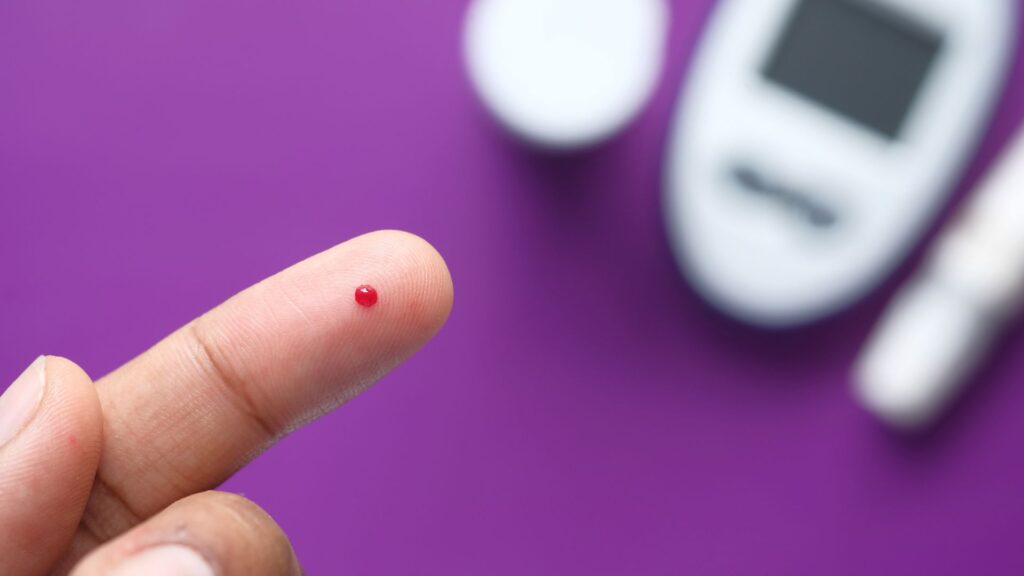
The study, led by researchers from the University of Exeter, examined whether people could collect their own blood samples at home using a finger-prick kit and mail them to a laboratory for analysis. Scientists focused on two important biomarkers — p-tau217, strongly associated with Alzheimer’s disease, and GFAP, linked to broader brain degeneration.
Researchers tested 174 older adults, including healthy individuals, people with mild cognitive impairment, and patients with Alzheimer’s dementia. Participants also completed online cognitive assessments measuring memory, attention, and decision-making skills. The results showed that higher levels of these biomarkers were closely connected with poorer cognitive performance.

Experts believe this approach could help doctors identify high-risk individuals earlier, even before severe symptoms appear. Early detection is becoming increasingly important as new treatments for Alzheimer’s are most effective in the disease’s early stages. The test may also reduce pressure on hospitals and specialist clinics by allowing people to complete screening from home.
Professor Anne Corbett, who led the study, said the combination of home blood testing and online cognitive checks could create a “scalable and accessible” method for dementia risk screening. However, researchers stressed that the test is designed for risk assessment and not as a standalone diagnosis.
Scientists say further large-scale studies are still needed before the test becomes widely available in healthcare systems.
Also Read: health news