Antifungal Toenail Home Remedies
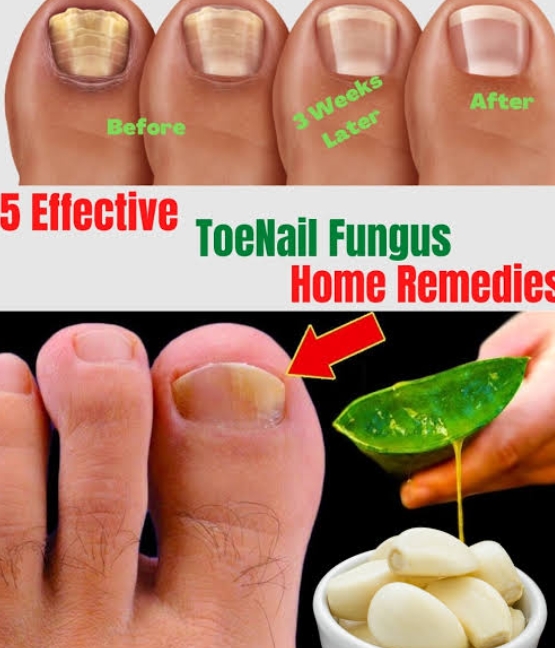
Toenail fungus is more common than people realize, affecting millions worldwide. It usually starts as a small discoloration at the edge of the nail and gradually spreads, causing thick, brittle, yellow or distorted toenails. While medical treatments are available, many people prefer natural remedies to manage mild to moderate fungal infections at home.
The good news is that several antifungal toenail home remedies can help slow the infection, improve nail appearance, and support healthier regrowth—when used consistently and correctly.
In this blog, we explore the most effective natural antifungal remedies, how they work, and tips to prevent toenail fungus from returning.
Table of Contents
1. Tea Tree Oil: A Powerful Natural Antifungal
Tea tree oil is one of the most recommended natural treatments for toenail fungus. It contains terpinen-4-ol, a compound known for its antifungal and antibacterial properties.
How to use it
- Mix 2–3 drops of tea tree oil with 1 teaspoon of coconut or olive oil.
- Apply directly to the affected toenail using a cotton swab.
- Leave it on for 15–20 minutes, then gently scrub the nail with a soft brush.
- Repeat twice daily.
Why it works
Tea tree oil penetrates the nail bed, reducing fungal activity and preventing the spread of infection. With consistent use, many people notice smoother and clearer nails over time.
2. Apple Cider Vinegar (ACV) Soaks
Apple cider vinegar is acidic, which helps create a hostile environment for fungus. It also helps soften thickened nails, making it easier for topical treatments to work.
Also Read: Top 5 Weight Gain Shakes to Build Healthy Muscle Naturally
How to use it
- Mix one part ACV with one part warm water.
- Soak your feet for 20–30 minutes daily.
- Pat dry thoroughly afterward to prevent moisture buildup.
Benefits
Regular ACV soaks help reduce fungal growth, foot odor, and irritation around the nail. They are gentle on the skin and safe for daily use.
3. Baking Soda: A Natural Fungus Blocker
Baking soda doesn’t kill fungus directly, but it prevents fungal growth by balancing pH levels and reducing moisture—two things fungus thrives on.
How to use it
- Make a paste using baking soda and a little water.
- Apply the paste to the affected toenail and leave for 10–15 minutes.
- Rinse and dry the feet completely.
- Alternatively, sprinkle baking soda in socks and shoes to absorb moisture.
Why it’s helpful
Baking soda reduces fungal environment and supports other treatments like tea tree oil or ACV.
4. Coconut Oil: Moisturizes and Fights Fungus
Coconut oil contains caprylic acid, known for its antifungal properties. It’s gentle, soothing, and safe for long-term use.
How to use it
- Warm a small amount of coconut oil.
- Massage it into the affected toenail and surrounding skin.
- Leave it on; no need to rinse.
- Apply 2–3 times daily.
Benefits
Coconut oil helps reduce dryness, prevents cracking, and creates a protective barrier against fungal growth.
Also Read: Top 5 Bicep Stretching Exercises: Improve Flexibility and Mobility
5. Garlic: A Natural Antifungal Agent
Garlic contains allicin, a strong antifungal and antimicrobial compound. It helps limit fungal activity and supports healthier nail regrowth.
How to use it
- Crush 2–3 cloves of fresh garlic.
- Mix with a teaspoon of olive oil to form a paste.
- Apply to the affected toenail for 20–30 minutes.
- Rinse thoroughly to avoid strong odor.
Tip
Avoid leaving garlic on the skin for too long, as it may cause irritation in some people.
6. Vicks VapoRub: A Popular Home Remedy
Many people swear by Vicks for treating toenail fungus. It contains menthol, camphor, and eucalyptus oil, all of which have mild antifungal effects.
How to use it
- Apply a thin layer of Vicks on the affected nail before bed.
- Cover with a clean cotton sock.
- Repeat nightly for several weeks.
Why it works
It helps soften thick nails and reduces discoloration over time.
7. Oregano Oil: Strong and Fast-Acting
Oregano oil contains carvacrol, one of the strongest natural antifungals. It is powerful but should be used with caution.
How to use it
- Mix 1–2 drops of oregano oil with a carrier oil like coconut oil.
- Apply once daily.
- Avoid using it undiluted, as it may cause burning.
Tip
Alternate with tea tree oil for better results, but never mix both in one application.
Tips to Boost the Effectiveness of Home Remedies
Even the best remedies work better when combined with good foot hygiene. Here’s how to improve results:
1. Keep Feet Clean and Dry
Fungus thrives in moisture. Always dry between your toes after bathing.
2. Trim Nails Regularly
Shorter nails allow remedies to penetrate deeper.
3. Wear Breathable Footwear
Choose cotton socks and ventilated shoes to reduce sweat.
4. Disinfect Shoes Often
Use antifungal sprays or sunlight exposure to kill fungus hiding inside footwear.
5. Avoid Sharing Nail Tools
Always use clean, personal grooming tools.
When to See a Doctor
Home remedies work best for mild fungal infections. Seek medical advice if:
- The infection is spreading rapidly.
- The nail becomes extremely thick or painful.
- Home remedies show no improvement after 2–3 months.
- You have diabetes or poor circulation.
Prescription treatments or laser therapy may be required for severe cases.
Final Thoughts
Antifungal toenail home remedies can be effective when used consistently and patiently. Natural ingredients like tea tree oil, ACV, baking soda, coconut oil, oregano oil, garlic, and Vicks can help slow fungal growth, restore healthy nail appearance, and prevent recurrence. Combine these remedies with proper foot hygiene for best results. With time, care, and persistence, it’s possible to regain clearer, healthier toenails—naturally.
Also Read: Try One of These 10 Home Remedies for Toenail Fungus