Benefits of Makhana
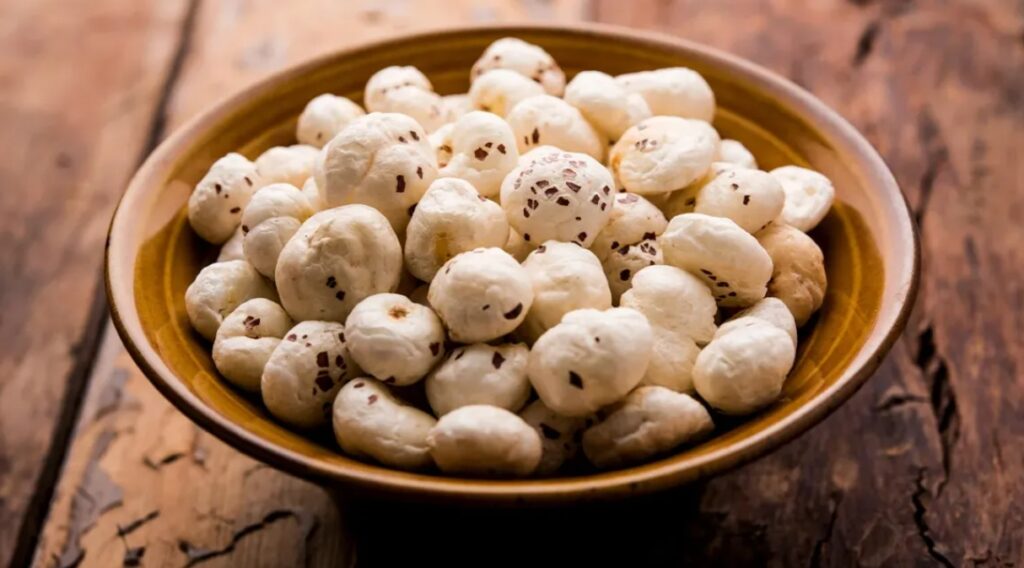
Makhana, also known as fox nuts or lotus seeds, is a traditional superfood widely consumed in India and other parts of Asia. Derived from the seeds of the lotus plant (Euryale ferox), makhana has been used for centuries in Ayurvedic and Chinese medicine.
In recent years, it has gained global popularity as a healthy snack due to its impressive nutritional profile and multiple health benefits. Let’s explore why makhana deserves a place in your daily diet.
Table of Contents
Nutritional Value of Makhana
Makhana is low in calories and fat, yet rich in essential nutrients. It contains carbohydrates for energy, plant-based protein for muscle health, and dietary fiber for digestion. Makhana is also a good source of minerals such as calcium, magnesium, potassium, iron, and phosphorus. Additionally, it provides antioxidants and small amounts of B-complex vitamins, making it a wholesome and balanced food.
1. Supports Weight Loss
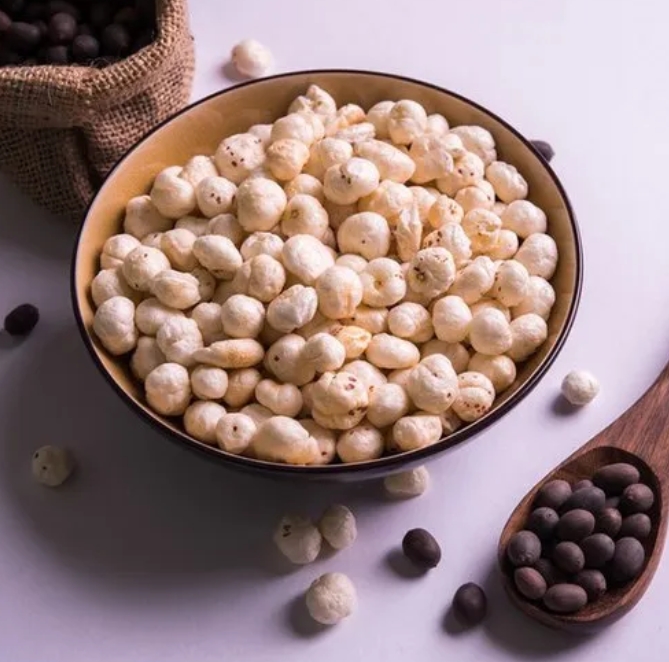
One of the most popular benefits of makhana is its role in weight management. Makhana is low in calories and high in fiber, which helps you feel full for longer periods. This reduces unnecessary snacking and overeating. Unlike fried snacks, roasted makhana is light, crunchy, and satisfying without adding excess fat to your diet.
Also Read: Pomegranate Juice Benefits
2. Excellent for Heart Health
Makhana is naturally low in saturated fat and cholesterol, making it heart-friendly. The presence of magnesium and potassium helps regulate blood pressure and maintain proper heart rhythm. Antioxidants in makhana help reduce oxidative stress and inflammation, which are key contributors to heart disease.
3. Helps Control Blood Sugar Levels
For people with diabetes, makhana is a smart snack option. It has a low glycemic index, meaning it does not cause a rapid spike in blood sugar levels. The fiber content helps slow down glucose absorption, while magnesium improves insulin sensitivity. This makes makhana suitable for diabetics when consumed in moderation.
Also Read: Black Tea Without Sugar Benefits
4. Improves Digestive Health
Dietary fiber in makhana plays an important role in maintaining a healthy digestive system. It aids bowel movement, prevents constipation, and supports gut health. Regular consumption of makhana can help keep your digestive system smooth and efficient.
5. Rich in Antioxidants and Anti-Aging Properties
Makhana contains flavonoids and other antioxidants that fight free radicals in the body. Free radicals cause cellular damage and accelerate aging. By neutralizing these harmful molecules, makhana helps slow down aging, improves skin health, and supports overall cellular repair.
6. Strengthens Bones and Teeth
Calcium and phosphorus present in makhana contribute to strong bones and teeth. Regular intake can help prevent bone-related issues such as osteoporosis, especially in elderly individuals and postmenopausal women. Magnesium also supports bone density and overall skeletal health.
7. Boosts Energy and Reduces Fatigue
Makhana provides complex carbohydrates that release energy slowly, keeping you active throughout the day. It is often recommended for people recovering from illness, children, and elderly individuals due to its easy digestibility and energy-boosting properties.
8. Supports Kidney and Liver Health
In traditional medicine, makhana is considered beneficial for kidney and liver function. Its antioxidant and anti-inflammatory properties help detoxify the body and support proper organ function. It is often included in diets aimed at improving overall metabolic health.
9. Beneficial During Pregnancy
Makhana is commonly recommended during pregnancy due to its high nutrient content. It provides essential minerals, helps reduce fatigue, supports fetal development, and aids digestion. However, pregnant women should consume it in appropriate quantities and consult a healthcare professional if needed.
10. Versatile and Easy to Include in Diet
One of the biggest advantages of makhana is its versatility. It can be roasted with spices as a healthy snack, added to curries, used in desserts like kheer, or included in trail mixes. Its mild taste allows it to blend easily with both sweet and savory dishes.
How to Consume Makhana
The healthiest way to eat makhana is by dry roasting or lightly roasting it in ghee with mild spices. Avoid deep frying to preserve its nutritional value. A small bowl (25–30 grams) per day is generally sufficient to enjoy its benefits.
Frequently Asked Questions (FAQ)
Q1. Is makhana good for daily consumption?
Yes, makhana can be eaten daily in moderate amounts. It is nutritious, light, and suitable for most age groups.
Q2. Can makhana help in weight loss?
Yes, due to its low calorie and high fiber content, makhana helps control hunger and supports weight loss.
Q3. Is makhana suitable for diabetics?
Yes, makhana has a low glycemic index and helps regulate blood sugar levels when eaten in moderation.
Q4. How much makhana should be eaten per day?
Around 25–30 grams per day is ideal for most people.
Q5. Is makhana good for kids?
Yes, makhana is a healthy snack for children as it supports growth, energy, and digestion.
Q6. Can makhana be eaten during pregnancy?
Yes, makhana is considered safe and beneficial during pregnancy when consumed in moderate amounts.
Q7. What is the best way to eat makhana?
Dry roasting or light roasting with minimal ghee and spices is the healthiest method.
Conclusion:
Makhana is a nutrient-rich superfood that offers numerous health benefits, from weight management and heart health to improved digestion and energy levels. Its versatility, easy digestibility, and rich nutritional profile make it an excellent addition to a balanced diet. Including makhana in your daily routine can support overall health and well-being naturally.
Also Read: Makhana Benefits