
Not Every Cancer Begins With Pain
Many people believe that cancer always starts with severe pain, but medical experts warn that some of the earliest signs can be subtle and easy to overlook. Doctors are urging the public to pay attention to persistent changes in their bodies, as early detection can significantly improve treatment outcomes.
According to healthcare professionals, unexplained weight loss, constant fatigue, and changes in appetite are among the most commonly ignored warning signs. While these symptoms may seem harmless or be attributed to stress, aging, or lifestyle factors, they can sometimes indicate an underlying cancer.
Also Read: WHO Says Congo Still ‘Behind’ in Ebola Fight Despite Improved Testing
Persistent coughs, hoarseness, or difficulty swallowing should also not be ignored, especially if they last for several weeks. Similarly, changes in bowel or bladder habits, blood in the stool or urine, and unusual bleeding can be early indicators of certain cancers.
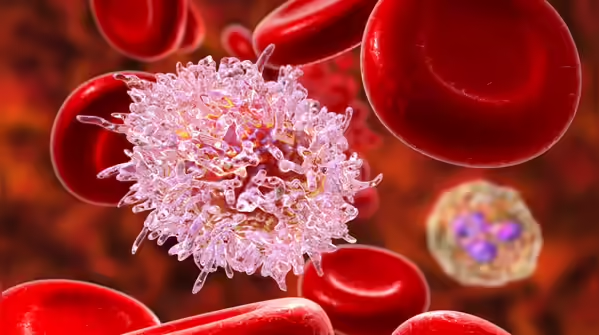
Doctors also highlight the importance of monitoring skin changes. New moles, changes in the size or color of existing moles, or sores that do not heal may signal skin cancer. Lumps or swelling in the breast, neck, armpit, or other areas of the body should also be evaluated by a healthcare professional.
Another commonly overlooked symptom is ongoing indigestion or bloating. While these issues are often linked to digestive disorders, they can sometimes be associated with cancers of the stomach, pancreas, or ovaries.
Experts stress that experiencing one of these symptoms does not necessarily mean a person has cancer. However, symptoms that persist for several weeks or worsen over time should not be ignored.
“Pain is not always the first sign of cancer,” doctors emphasize. “Listening to your body and seeking medical advice when something feels unusual can make a life-saving difference.”
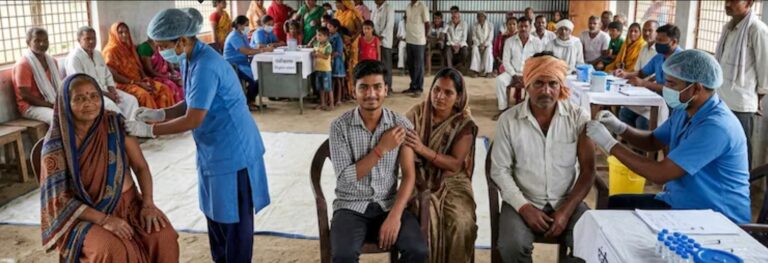
Health organizations continue to encourage regular screenings, healthy lifestyle habits, and prompt medical consultations to improve cancer detection and survival rates worldwide.
read more: health news today