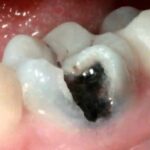

Remedies for Wisdom Tooth Pain
Wisdom tooth pain is one of the most uncomfortable dental issues many people face, especially between the ages of 17 and 30. As the last set of molars attempt to break through the gums, they often cause swelling, pressure, gum irritation, and even infection.
While a dentist’s evaluation is essential for long-term treatment, several natural home remedies can offer quick and temporary relief from wisdom tooth discomfort. In this blog, we will explore some of the most effective and easy-to-use remedies for soothing wisdom tooth pain.
Table of Contents
Why Wisdom Teeth Cause Pain
Wisdom teeth often erupt in crowded spaces at the back of the mouth. Because of lack of room, they may grow tilted, partially erupt, or become stuck under the gum (impacted). This leads to inflammation, pressure on nearby teeth, gum tenderness, or bacterial buildup — all of which trigger pain.
Home remedies cannot fix impacted teeth, but they can help reduce the intensity of pain and swelling until you can visit a dentist.
1. Saltwater Gargle
One of the simplest and most effective natural remedies for wisdom tooth pain is a warm saltwater rinse. Saltwater works as a gentle antiseptic, reducing bacteria and soothing swollen gums.
How to Use
- Mix 1 teaspoon of salt in a glass of warm water.
- Stir until dissolved.
- Gargle for 30 seconds and spit out.
- Repeat 3–4 times a day.
Saltwater helps clean the affected area, reduces inflammation, and lowers the risk of infection.

2. Cold Compress for Numbing Pain
A cold compress works exceptionally well for wisdom tooth pain caused by swelling. Cold temperature numbs the area and reduces inflammation, offering quick relief.
How to Use
- Wrap a few ice cubes in a cloth.
- Place it on the painful side of your face for 10–15 minutes.
- Repeat every few hours.
This remedy is especially helpful if pain is accompanied by cheek swelling.
3. Clove Oil: Nature’s Painkiller
Cloves have been used for centuries in dental care due to their strong analgesic and antibacterial properties. The compound eugenol in clove oil helps numb the area and control bacterial growth.
How to Use
- Dip a cotton ball in clove oil.
- Place it gently on the painful gum.
- Keep it for 5–10 minutes before removing.
If clove oil feels too strong, dilute it with coconut oil to prevent a burning sensation.
4. Warm Water Bottle or Heat Therapy
While cold compress reduces swelling, warm compress helps relax the muscles and ease deep, throbbing pain.
How to Use
- Use a warm water bottle or warm towel.
- Apply on the jaw area for 10 minutes.
- Repeat 2–3 times a day.
Avoid applying heat if your cheek is visibly swollen, as heat can worsen inflammation.
Also Read: Top 6 Importance of Water in Our Life
5. Garlic: A Natural Antibiotic
Garlic contains allicin, a powerful anti-inflammatory and antimicrobial compound. It helps reduce pain and prevents bacterial infection around the erupting wisdom tooth.
How to Use
- Crush a garlic clove to release its juices.
- Apply the paste directly on the painful gum.
- Leave it for 5 minutes and rinse.
Garlic may have a strong scent, but its pain-relieving abilities are highly effective.
6. Peppermint Tea Bags
Peppermint has cooling, numbing, and anti-inflammatory properties, making it a comforting remedy for wisdom tooth pain.
How to Use
- Boil a peppermint tea bag for a few minutes.
- Allow it to cool to lukewarm.
- Place the moist bag on the painful area for 15–20 minutes.
Chilled peppermint tea bags can also work as a cold compress inside the mouth.
7. Onion Juice for Quick Relief
Onions are rich in antioxidants and possess natural antimicrobial properties. Chewing raw onion may feel unpleasant, but it can significantly reduce pain.
How to Use
- Cut a small piece of raw onion.
- Chew gently on the painful side (only if comfortable).
- If chewing is not possible, press onion juice on the gum using cotton.
This remedy reduces swelling and fights infection-causing bacteria.
8. Turmeric Paste for Gum Inflammation
Turmeric contains curcumin, known for its anti-inflammatory and healing properties. It is especially helpful when the gums near the wisdom tooth are swollen or irritated.
How to Use
- Mix turmeric powder with a few drops of water to form a paste.
- Apply it to the affected gum.
- Leave it for 10 minutes before rinsing.
Regular use can help reduce persistent inflammation.
9. Over-the-Counter Painkillers (Short-Term Relief)
While not a natural remedy, OTC pain relievers are often necessary for severe wisdom tooth pain.
Common options:
- Ibuprofen (reduces pain + inflammation)
- Paracetamol (controls pain)
Always follow recommended dosage and avoid self-medicating for long periods.
When to See a Dentist
While these remedies help temporarily, wisdom tooth pain usually indicates an underlying issue that needs professional attention.
Seek dental help if you notice:
- Persistent pain lasting more than 3 days
- Severe swelling or pus discharge
- Difficulty opening your mouth
- Bad breath or foul taste
- Fever or signs of infection
A dentist may recommend cleaning, antibiotics, or extraction depending on the tooth’s position.
Final Thoughts
Wisdom tooth pain can disrupt your daily life, making it difficult to eat, sleep, or focus. Thankfully, simple home remedies like saltwater rinses, clove oil, cold compress, garlic, peppermint tea, and turmeric can offer fast and natural relief. However, these remedies only manage the symptoms; they do not solve the root cause of wisdom tooth problems. For long-term comfort and oral health, timely dental evaluation is essential.