High fiber foods play a very important role In today’s fast-paced lifestyle. Yet, fiber is one of the most powerful nutrients for maintaining good health. From improving digestion to controlling blood sugar, aiding weight loss, and keeping your heart healthy — high-fiber foods offer countless benefits.
Unfortunately, many people rely heavily on processed foods, which are low in fiber and high in sugars and unhealthy fats. Introducing more natural, high-fiber foods into your daily diet can completely transform your health and energy levels.
In this blog, let’s explore the best high-fiber foods, their health benefits, and how you can easily include them in your daily meals.
Table of Contents
What high fiber foods are important?
Fiber is a type of carbohydrate found in plant foods that your body cannot fully digest. Unlike other carbs, fiber does not break down into sugar. Instead, it passes through the digestive system, helping maintain a healthy gut and supporting smooth bowel movements.
There are two types of fib
s type dissolves in water and forms a gel-like substance. It helps:
- Lower cholesterol
- Control blood sugar levels
- Keep you full for a longer time
Sources: oats, apples, beans, chia seeds, and barley.
2. Insoluble Fiber
This type adds bulk to your stool and supports regular bowel movements. It prevents constipation and keeps your digestive tract clean.
Sources: whole grains, nuts, vegetables, wheat bran.
A balanced diet should include both types of fiber for maximum benefits.
Top High-Fiber Foods You Should Add to Your Diet
1. Whole Grains
Whole grains like brown rice, oats, quinoa, barley, and whole wheat are rich in fiber. They give long-lasting energy, keep you full, and prevent overeating. Oats, in particular, contain beta-glucan, a type of soluble fiber that helps improve heart health.
How to add: replace white rice with brown rice, eat oatmeal for breakfast, or choose whole wheat bread.
2. Beans and Lentils
Legumes are among the best high-fiber foods. Black beans, kidney beans, chickpeas, moong dal, masoor dal, and rajma give you both soluble and insoluble fiber. They also provide plant-based protein, making them a perfect option for vegetarians.
How to add: include dal in daily meals, add chickpeas to salads, or make rajma-chawal as a wholesome meal.
3. Vegetables
Most vegetables contain fiber, but some are exceptionally rich:
- Broccoli
- Carrots
- Spinach
- Sweet potato
- Green peas
These vegetables keep the gut healthy and promote better digestion. They are also low in calories, making them ideal for weight loss.
How to add: eat a bowl of mixed veggies, include sabzi with every meal, or add them to soups and curries.
4. Fruits
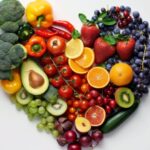
Fruits are natural sources of fiber, vitamins, and antioxidants. High-fiber fruits include:
- Apples
- Pears
- Bananas
- Oranges
- Berries
- Guava
Eating fruits with their peel (such as apples and pears) increases fiber intake significantly.
How to add: have fruits as snacks, mix them in yogurt, or add them to smoothies.
5. Nuts and Seeds
Chia seeds, flaxseeds, almonds, pistachios, and walnuts are fiber-packed. Chia seeds are especially powerful — just one tablespoon provides a large amount of soluble fiber that helps digestion and weight control.
How to add: sprinkle seeds on salads, eat nuts as snacks, or mix them in smoothies.
6. High-Fiber Indian Foods
India has many traditional fiber-rich foods:
- Ragi (finger millet)
- Bajra
- Jowar
- Horse gram (kulthi dal)
- Green leafy sabzis
- Coconut
Adding these foods to your daily diet makes getting enough fiber incredibly easy.
Health Benefits of Eating High-Fiber Foods
1. Better Digestion
Fiber adds bulk to stools, preventing constipation and maintaining a healthy bowel movement pattern. It also nourishes gut-friendly bacteria.
2. Weight Loss
High-fiber foods keep you full for a long time, reducing cravings and preventing overeating. This supports healthy weight management.
Also read: Top 5 Best Way to Reduce the Weight Loss (Expert Review)
3. Heart Health
Soluble fiber helps lower bad cholesterol (LDL), which reduces the risk of heart disease and stroke.
4. Blood Sugar Control
Also read: How to Control Sugar Level: 9 Effective Tips for Better Health
Fiber slows the absorption of sugar, preventing sudden spikes. This is especially helpful for people with diabetes.
5. Detoxification
Insoluble fiber helps sweep toxins and waste out of the intestine, promoting natural detoxification.
How Much Fiber Do You Need Daily?
Most adults need 25–35 grams of fiber each day. However, many people consume less than half of this recommended amount. A simple habit of adding more fruits, vegetables, whole grains, and lentils can easily help you reach the daily target.
Tips to Increase Fiber Intake
- Start your day with oatmeal or a fruit bowl.
- Choose whole grains instead of refined ones.
- Add a salad to lunch and dinner.
- Snack on nuts, seeds, and fruits instead of junk food.
- Drink plenty of water — fiber works best when your body is hydrated.
Final Thoughts
High-fiber foods are essential for good health, yet missing in many modern diets. They support digestion, help manage weight, protect the heart, and stabilize blood sugar levels. By making small but smart food choices, you can easily increase your fiber intake and experience better health, higher energy levels, and a happier gut.
Start adding fiber-rich foods today—your body will thank you!Also read: High-fiber foods