
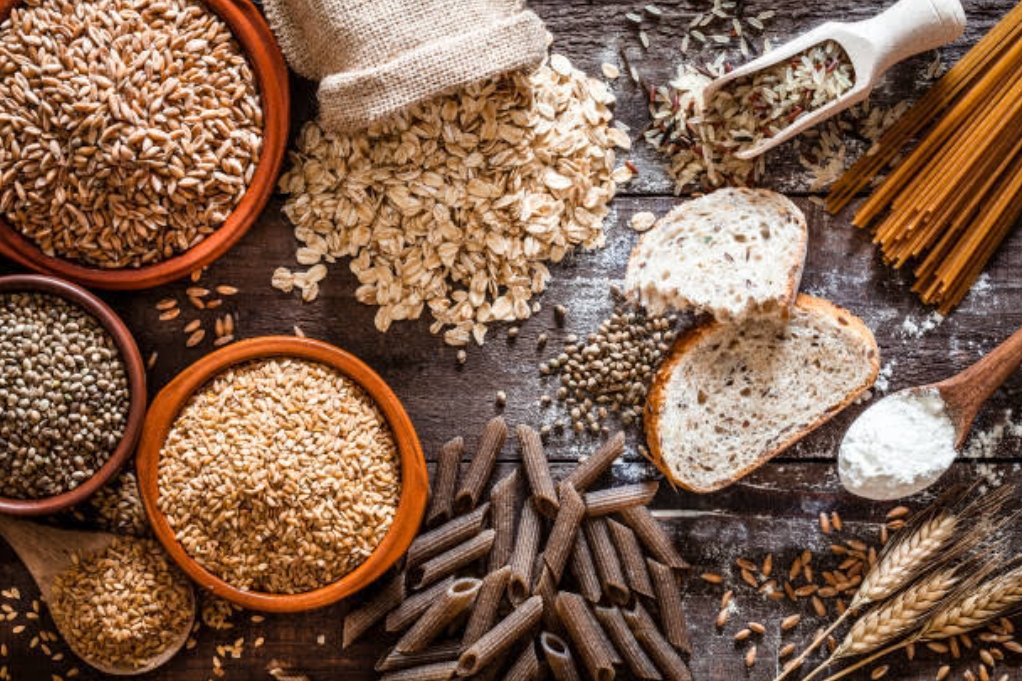
Why Are Whole Grains Healthier
In today’s fast-paced lifestyle, many people rely on refined foods like white rice, white bread, and processed cereals. While these foods may be convenient and tasty, they often lack essential nutrients. This is where whole grains stand out as a healthier, smarter choice.
But what exactly makes whole grains healthier than refined grains? Let’s break it down in a simple, practical way.
What Are Whole Grains?
Whole grains are grains that contain all three parts of the grain kernel:
- Bran – the outer layer rich in fiber, B vitamins, antioxidants, and minerals
- Germ – the nutrient-dense core containing healthy fats, vitamin E, and phytochemicals
- Endosperm – the starchy middle layer that provides energy
Examples of whole grains include:
- Whole wheat
- Brown rice
- Oats
- Barley
- Millets (ragi, jowar, bajra)
- Quinoa
Refined grains, on the other hand, have the bran and germ removed, stripping away most nutrients and fiber.
1. Rich Source of Dietary Fiber
One of the biggest reasons whole grains are healthier is their high fiber content. Fiber plays a crucial role in digestion and overall health.
Benefits of fiber from whole grains:
- Improves digestion and prevents constipation
- Helps maintain a healthy gut microbiome
- Keeps you full for longer, reducing overeating
- Supports weight management
Refined grains are low in fiber, which can lead to rapid hunger and unhealthy snacking.
Also Read:Amazing 10 Benefits of Makhana
2. Supports Heart Health
Whole grains are widely known for their heart-protective benefits. The fiber, antioxidants, and plant compounds in whole grains help reduce bad cholesterol (LDL) levels.
How whole grains protect your heart:
- Lower cholesterol levels
- Reduce blood pressure
- Improve blood vessel function
- Reduce the risk of heart disease and stroke
Studies show that people who consume whole grains regularly have a significantly lower risk of cardiovascular diseases.
3. Helps Control Blood Sugar Levels
Whole grains have a low glycemic index (GI) compared to refined grains. This means they release glucose slowly into the bloodstream.
Why this matters:
- Prevents sudden blood sugar spikes
- Improves insulin sensitivity
- Reduces the risk of type 2 diabetes
For people with diabetes or prediabetes, whole grains like oats, barley, and millets are especially beneficial.
Also Read: Top 8 Healthy Snacks for Weight Loss
4. Aids in Weight Management
Trying to maintain or lose weight? Whole grains can help.
Why whole grains help with weight control:
- High fiber increases satiety
- Slower digestion reduces cravings
- Lower calorie density compared to refined foods
Replacing white rice or maida products with whole grains can naturally support a balanced diet without extreme dieting.
5. Packed with Essential Nutrients
Whole grains are a natural source of:
- B vitamins (B1, B3, B6)
- Iron
- Magnesium
- Zinc
- Antioxidants
These nutrients support brain function, energy metabolism, immunity, and muscle health. Refined grains often require artificial fortification to replace what’s lost during processing.
6. Improves Gut Health
The fiber and resistant starch in whole grains act as prebiotics, feeding beneficial gut bacteria.
Healthy gut benefits include:
- Better digestion
- Improved immunity
- Reduced inflammation
- Enhanced nutrient absorption
A healthy gut is linked to better mental and physical health overall.
7. Reduces Risk of Chronic Diseases
Regular consumption of whole grains is associated with a lower risk of:
- Type 2 diabetes
- Obesity
- Certain cancers (especially colorectal cancer)
- Metabolic syndrome
This is due to their combined effect of fiber, antioxidants, and anti-inflammatory compounds.
Easy Ways to Add Whole Grains to Your Diet
- Switch from white rice to brown rice or millets
- Choose whole wheat bread instead of white bread
- Start your day with oats or whole-grain cereals
- Use whole wheat flour (atta) instead of refined flour (maida)
- Try traditional grains like ragi, jowar, and bajra
Final Thoughts
Whole grains are healthier because they are less processed, more nutritious, and better for long-term health. They support digestion, heart health, blood sugar control, weight management, and disease prevention. Making a small shift from refined grains to whole grains can lead to big health benefits over time.
Frequently Asked Questions (FAQ)
Q1. Are whole grains better than refined grains?
Yes, whole grains retain all essential nutrients and fiber, while refined grains lose most of their nutritional value during processing.
Q2. Can people with diabetes eat whole grains?
Absolutely. Whole grains have a low glycemic index and help maintain stable blood sugar levels when eaten in moderation.
Q3. How much whole grain should I eat daily?
Health experts recommend making at least half of your grain intake whole grains, such as 2–3 servings per day.
Q4. Are millets considered whole grains?
Yes, millets like ragi, jowar, and bajra are excellent whole grains and are highly nutritious.
Q5. Do whole grains help in weight loss?
Yes, their high fiber content keeps you full longer, reduces cravings, and supports healthy weight management.
Q6. Are whole grains safe for children and elderly people?
Yes, whole grains are safe and beneficial for all age groups when cooked properly and eaten as part of a balanced diet.
Also Read: Whole Grains