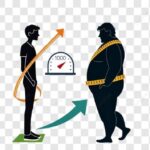
When it comes to weight loss, the idea of a “magic pill” is incredibly appealing—and yet, unfortunately, reality is far more complex. If you’re looking for the “best weight loss product”, it’s vital to approach with both hopeful optimism and sceptical realism. Let’s explore what works, what doesn’t, and how to choose a product wisely.
Table of Contents
What can we do to reduce the weight loss?
The most effective weight‐loss “products” aren’t necessarily gadgets or supplements—they’re comprehensive programs combining nutrition, physical activity, behavioural changes and, where needed, medical support.
According to the Mayo Clinic, prescription weight-loss drugs can lead to more weight loss than lifestyle changes alone—but they’re intended for people with a BMI ≥ 30 (or 27 with weight-related health problems) and always in combination with diet & exercise.
For example, the category of GLP-1 receptor agonists (drugs originally used for diabetes) has shown meaningful weight loss in trials; one summary reported an average body-weight reduction of ~11% with one of these drugs after 24-68 weeks.
On the “less high-tech” side: devices such as the superabsorbent hydrogel pill Gelesis100 (brand name Plenity) have been approved as a “product” for weight management. It expands in the stomach to increase satiety.
Bottom line: Some products and medications can help weight loss when the context is right—but they are not substitutes for healthy lifestyle changes.
Why many so-called weight-loss products fall short
Reduce the Weight Loss
Because the market is flooded with supplements, gimmicks, quick-fixes, it’s essential to understand the limitations.
A systematic review on herbal medicines concluded: “There is currently insufficient evidence to recommend any of the herbal medicines … for weight loss.” (PubMed)
Another review on food supplements (bitter orange, guarana, etc.) found evidence that modest weight loss was very weak and of low quality. (MDPI)
From a consumer perspective: Many weight‐loss supplements are marketed as “natural” and “safe”, but few are regulated like medications. One consumer study found that only 9% of users achieved and maintained their target weight using supplements alone. (TIME)
So the caution is: If a product claims dramatic weight loss with little effort—be sceptical.
How to evaluate a “weight loss product”
When you’re looking at a product (supplement, device, tool, even medication) ask:
What is the evidence? Has it been tested in randomised trials? Are results clinically meaningful (say >5–10% body-weight loss) or trivial?
What population was it tested on? Was it for people with obesity/overweight, with comorbidities, in a controlled setting?
What are the risks/side-effects? Especially with medications or new devices.
Is it a stand-alone solution or part of a broader plan? The best outcomes occur when products are used in conjunction with a diet, exercise, and behavioural support.
Cost, sustainability & accessibility. Will you be able to maintain use if it works? Will the product become prohibitively expensive or unsafe long-term?
My take: The “best” weight‐loss product
Given all of the above, if I were to pick one “best overall” product category (not a specific brand) it would be prescription medications/devices approved for weight management, used under medical supervision plus lifestyle change. Because that’s where the strongest evidence lies.
If you are searching for just one product to invest in, think about:
A device like the hydrogel pill (Plenity / Gelesis100) if you meet the criteria and want a non-injection option.
A medication (if prescribed) such as a GLP-1 agonist, if you qualify medically and your doctor recommends it.
And alongside: a high-quality nutrition program, exercise plan, and behavioural support.
But—if you’re looking at over-the-counter “miracle” supplements? My honest assessment: they may offer modest benefit (if any), often with very weak evidence. Relying solely on them is risky.
Key caution points for India & globally
In India (and elsewhere), many weight-loss products are marketed aggressively. But just because it’s sold doesn’t mean robust clinical proof.
Always consult a physician (endocrinologist/obesity specialist) before starting a medication or device.
Weight loss is not just cosmetic: Losing 5–10% of body weight can improve blood pressure, blood sugar, and lipids. That’s clinically meaningful. (Mayo Clinic)
If a product promises “lose X kg in Y days with no diet/exercise”, it’s very likely too good to be true.
Final word
There is no single magic product that guarantees weight loss for everyone. The most effective path combines:
Evidence-based product (if medically indicated)
Nutrition (calorie control, quality food)
Regular physical activity
Behavioural changes (sleep, stress, consistency)
Medical oversight (if using drugs/devices)
If pressed: pick a product with good trial evidence backed by a medical provider—but don’t expect it to do all the work. Your active participation (diet, movement, habits) remains the central pillar.
As winter arrives, so do chilly winds, dropping temperatures, and a greater risk of getting sick. While winter has its charm—cosy blankets, hot beverages, and…
Top 10 Winter Foods Winter is a season that invites warmth, comfort, and nourishment. As temperatures drop, the body naturally craves foods that generate heat,…