How Much Weight Loss Per Month Is Healthy?
In today’s fast-paced world, weight loss has become a common goal for many people. Social media is filled with dramatic “before and after” photos, crash diet challenges, and promises of losing 10–15 kg in a single month.
While these transformations may look tempting, they often ignore a crucial question: how much weight loss per month is actually healthy? Understanding the right pace for weight loss is essential not only for achieving your goals but also for maintaining long-term health.
Table of Contents
What Is Considered Healthy Weight Loss?
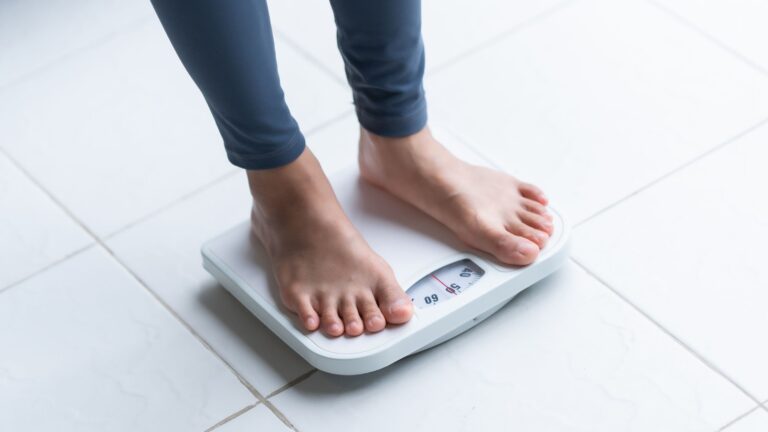
Most health experts, including nutritionists and medical organizations, agree that a healthy rate of weight loss is about 0.5 to 1 kg per week, which translates to 2 to 4 kg per month. This range allows your body to adapt gradually without triggering harmful side effects. Losing weight at this pace helps preserve muscle mass, supports metabolism, and reduces the risk of nutritional deficiencies.

While it may be tempting to lose weight as quickly as possible, rapid weight loss can be harmful to your body. When you drastically cut calories or follow extreme diets, your body enters a survival mode. This can slow down your metabolism and make future weight loss more difficult.
Some common problems associated with rapid weight loss include fatigue, dizziness, hair fall, nutrient deficiencies, muscle loss, and weakened immunity. In severe cases, it may also lead to gallstones, hormonal disturbances, and irregular menstrual cycles in women. Moreover, people who lose weight too fast are more likely to regain it, leading to the frustrating cycle of weight loss and weight gain.
Also Read: Top 6 Healthy Lunch Ideas for Weight Loss
Factors That Affect Healthy Weight Loss
Healthy weight loss is not the same for everyone. Several factors influence how much weight you can safely lose in a month.
Your starting weight plays a big role. People with higher body weight may initially lose weight faster, especially in the first few weeks, due to water loss. Age also matters, as metabolism tends to slow down with time. Gender, muscle mass, hormonal balance, lifestyle habits, sleep quality, and stress levels all impact weight loss progress.
Medical conditions such as thyroid disorders, insulin resistance, or polycystic ovary syndrome (PCOS) can also affect how quickly weight comes off. That’s why comparing your journey with others can be misleading and discouraging.
Also Read: 10 Kg Weight Loss in 20 Days Diet Plan: Reality, Risks, and a Safer Approach
How Many Calories Should You Cut?
To lose 1 kg of body fat, you generally need a calorie deficit of around 7,700 calories. For healthy weight loss, experts recommend a daily calorie deficit of 500–750 calories, which results in losing about 2–3 kg per month.
Extreme calorie restriction, such as eating less than 1,200 calories per day without medical supervision, can be dangerous. Instead of drastically cutting food, focus on improving food quality—choosing whole foods, increasing protein intake, reducing refined sugar, and controlling portion sizes.
The Role of Exercise in Healthy Weight Loss
Exercise plays an important role in healthy weight loss, but it should complement a balanced diet rather than replace it. A combination of cardio exercises like walking, cycling, or swimming and strength training is ideal.
Cardio helps burn calories, while strength training preserves muscle mass and boosts metabolism. Muscle is metabolically active, meaning it helps your body burn more calories even at rest. Aim for at least 150 minutes of moderate exercise per week along with two to three strength-training sessions.
Signs You’re Losing Weight at a Healthy Pace
A healthy weight loss journey is not just about the number on the scale. Some positive signs include steady energy levels, improved digestion, better sleep, reduced cravings, and enhanced mood. Your clothes may start fitting better, and you may notice gradual improvements in strength and stamina.
If you’re constantly tired, irritable, or feeling weak, it may be a sign that you’re losing weight too fast or not nourishing your body properly.
Sustainable Weight Loss Is the Real Goal
The ultimate goal of weight loss should not be quick results but long-term sustainability. Losing 2–4 kg per month may feel slow, but it significantly increases your chances of keeping the weight off permanently.
Sustainable weight loss focuses on building healthy habits, such as mindful eating, regular physical activity, proper hydration, and adequate sleep.
Instead of asking, “How fast can I lose weight?” it’s better to ask, “How can I lose weight in a way I can maintain for life?”
Final Thoughts
So, how much weight loss per month is healthy? For most people, 2 to 4 kg per month is a safe, realistic, and sustainable target. This pace supports overall health, preserves muscle mass, and reduces the risk of weight regain. Remember, weight loss is a journey, not a race. By choosing patience, balance, and consistency, you set yourself up for lasting success and better well-being.
Also Read: Losing Weight