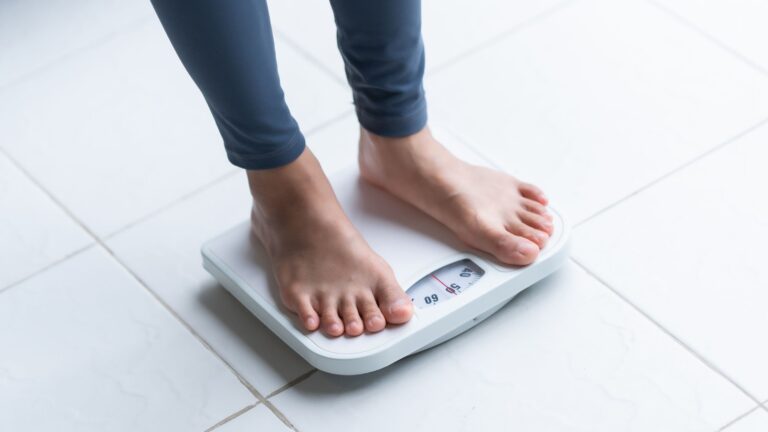

Can Weight Loss Lower Blood Pressure
High blood pressure, also known as hypertension, is one of the most common health problems worldwide. It significantly increases the risk of heart disease, stroke, kidney problems, and other serious conditions. While medication is often prescribed to manage blood pressure, lifestyle changes—especially weight loss—play a crucial role in controlling and even reducing high blood pressure naturally. But the big question is: can weight loss really lower blood pressure? The simple answer is yes—and science strongly supports it.
Table of Contents
Understanding the Link Between Weight and Blood Pressure
Body weight and blood pressure are closely connected. Excess body fat, particularly around the abdomen, puts additional strain on the heart and blood vessels. When you carry extra weight, your heart has to work harder to pump blood throughout the body. This increased workload raises the pressure inside your arteries.
Being overweight also affects hormones, insulin sensitivity, and inflammation levels in the body, all of which contribute to higher blood pressure. Studies show that people who are overweight or obese are significantly more likely to develop hypertension compared to those at a healthy weight.

Also Read: Top 6 Healthy Lunch Ideas for Weight Loss
How Weight Loss Helps Lower Blood Pressure
Weight loss reduces blood pressure through several biological mechanisms:
- Reduced strain on the heart
As body weight decreases, the heart doesn’t need to work as hard to circulate blood. This leads to lower pressure in the arteries. - Improved blood vessel function
Losing weight improves the elasticity of blood vessels, allowing blood to flow more smoothly and reducing resistance. - Better hormone balance
Weight loss improves insulin sensitivity and lowers stress hormones such as cortisol, both of which help regulate blood pressure. - Lower sodium retention
Excess weight can cause the kidneys to retain more sodium, increasing blood pressure. Weight loss helps normalize kidney function.
How Much Weight Loss Is Needed?
The good news is that even small amounts of weight loss can have a meaningful impact on blood pressure. Research suggests that losing just 5–10% of your body weight can significantly reduce both systolic and diastolic blood pressure.
On average:
- Losing 1 kg (2.2 lbs) may lower blood pressure by about 1 mmHg
- Losing 5 kg (11 lbs) can reduce systolic blood pressure by 4–6 mmHg
For many people, this reduction is enough to lower the risk of heart disease and may even reduce the need for medication (under medical supervision).
Weight Loss vs Medication: Which Is Better?
Weight loss does not necessarily replace blood pressure medication, especially in people with severe hypertension. However, it can enhance the effectiveness of medications and, in some cases, allow for lower dosages.
Lifestyle changes such as weight loss, healthy eating, and regular exercise are often recommended as the first line of treatment for mild to moderate hypertension. Unlike medication, weight loss also improves overall health by reducing cholesterol, blood sugar levels, and inflammation.
Best Weight Loss Strategies for Lowering Blood Pressure
To maximize the blood pressure benefits of weight loss, it’s important to adopt healthy and sustainable habits:
1. Follow a Balanced Diet
Diets rich in fruits, vegetables, whole grains, lean protein, and healthy fats are ideal. The DASH diet (Dietary Approaches to Stop Hypertension) is particularly effective for lowering blood pressure.
Limit:
- Processed foods
- Excess salt
- Sugary drinks
- Fried and fatty foods
2. Increase Physical Activity
Regular exercise helps burn calories, improve heart health, and reduce blood pressure. Aim for:
- At least 150 minutes of moderate exercise per week
- Activities like brisk walking, cycling, swimming, or yoga
3. Reduce Belly Fat
Abdominal fat is strongly linked to high blood pressure. Losing waist circumference is often more important than overall weight loss when it comes to blood pressure control.
4. Manage Stress
Chronic stress can prevent weight loss and raise blood pressure. Practices such as meditation, deep breathing, and adequate sleep support both weight management and heart health.
Additional Benefits of Weight Loss for Blood Pressure Patients
Beyond lowering blood pressure, weight loss provides several other health advantages:
- Reduced risk of heart attack and stroke
- Improved cholesterol levels
- Better blood sugar control
- Increased energy and mobility
- Improved sleep quality
These benefits together create a powerful protective effect against cardiovascular disease.
Also Read: Best Sleep Time for a Healthy Body: Why Timing Matters More Than You Think
Can Weight Loss Prevent High Blood Pressure?
Yes, maintaining a healthy weight can prevent hypertension altogether. People who stay within a healthy BMI range are far less likely to develop high blood pressure as they age. Early weight management is especially important for individuals with a family history of hypertension.
Important Precautions
While weight loss is beneficial, it should be done safely. Rapid or extreme weight loss can sometimes stress the body and may temporarily affect blood pressure levels. Always aim for gradual weight loss—about 0.5 to 1 kg per week—and consult a healthcare provider if you have existing medical conditions.
Final Thoughts
So, can weight loss lower blood pressure? Absolutely. Weight loss is one of the most effective natural ways to reduce high blood pressure and improve overall cardiovascular health. Even modest weight loss can lead to measurable improvements, making it a powerful tool in both prevention and treatment.
By combining healthy eating, regular physical activity, stress management, and consistency, weight loss can become a long-term solution for controlling blood pressure and living a healthier life.
Also Read: 6 simple tips to reduce your blood pressure