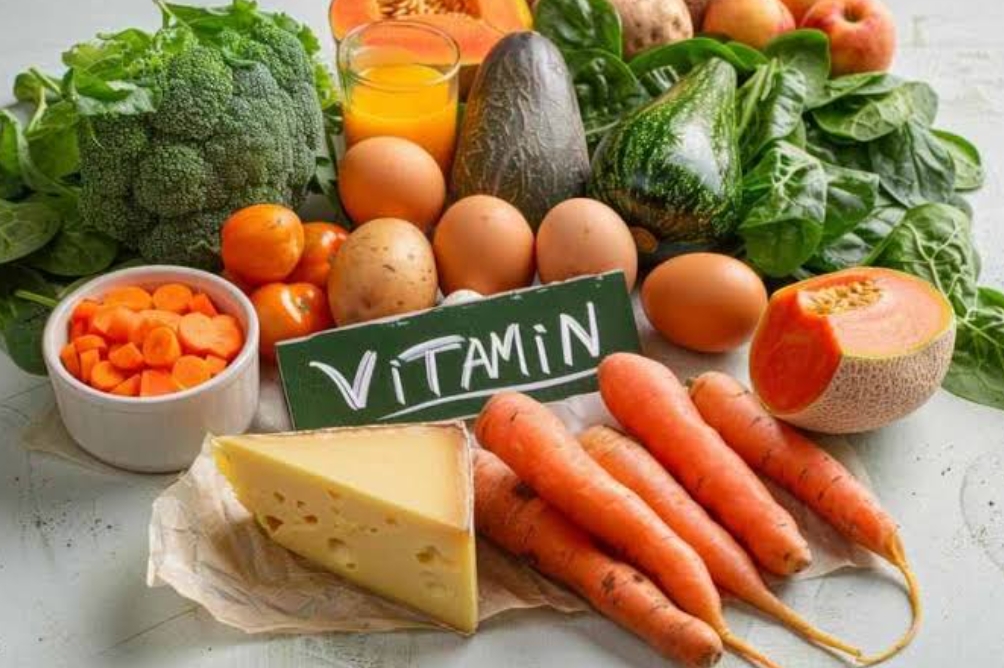
This blog explores the best vitamin D foods for vegetarians, their benefits, and simple tips to include them in your daily meals. Vitamin D, often called the “sunshine vitamin,” plays a crucial role in keeping our bones strong, boosting immunity, supporting muscle function, and improving overall mood.
While sunlight is the most natural source of vitamin D, many people—especially those with indoor lifestyles, darker skin tones, or living in low-sunlight regions—struggle to get enough. For vegetarians, the challenge becomes bigger because most natural food sources of vitamin D are animal-based.
Table of Contents
Why Vitamin D Matters
Before we dive into the foods, let’s understand why vitamin D is essential:
- Strengthens bones and teeth by helping the body absorb calcium.
- Boosts immunity, making you less prone to frequent infections.
- Improves mood and mental health, reducing stress and support better sleep.
- Helps muscle recovery and reduces fatigue.
- Supports hormonal balance and overall metabolic health.
The recommended daily intake varies, but most adults need around 600–800 IU per day.
Top Vitamin D Foods for Vegetarians
1. Fortified Milk (Cow’s Milk)
Fortified milk is one of the most accessible and effective vitamin D sources for vegetarians. Most dairy brands add vitamin D to milk to improve its nutritional profile.
Benefits:
- Rich in calcium, protein, and vitamin D.
- Supports bone health and immunity.
How to include:
Drink 1 glass of fortified milk daily, use it in oats, smoothies, or tea.

Also read: Top 5 Healthy Diet Plans for a Stronger, Fitter You
2. Fortified Plant-Based Milk (Soy, Almond, Oats Milk)
For lactose-intolerant individuals or vegans, plant-based milks are a great alternative. Many varieties come fortified with vitamin D.
Benefits:
- Naturally lactose-free and suitable for vegans.
- Offers calcium, vitamin D, and sometimes vitamin B12.
How to include:
Use in shakes, cereals, pancakes, or coffee.
3. Fortified Orange Juice
Some brands of packaged orange juice add vitamin D to boost nutritional value.
Benefits:
- Great source of vitamin C + vitamin D.
- Helps improve iron absorption.
- Refreshing immunity-boosting drink.
How to include:
Enjoy 1 glass in the morning or pair it with breakfast.
Also read: Top 5 Healthy Breakfast Ideas for a Energized and Productive Day
4. Mushrooms (Especially Sun-Exposed)
Mushrooms are one of the very few natural plant sources of vitamin D. When exposed to sunlight, they produce vitamin D2 (ergocalciferol).
Best varieties:
- Shiitake
- Maitake
- Portobello
- Button mushrooms exposed to UV light
Benefits:
- Low in calories and high in antioxidants.
- Supports bone health and digestion.
How to include:
Use mushrooms in stir-fries, soups, pasta, sandwiches, or grill them as a side dish.
5. Yogurt (Fortified)
Many yogurt brands enrich their products with vitamin D.
Benefits:
- Good for gut health due to probiotics.
- Provides calcium + protein + vitamin D.
How to include:
Enjoy as a snack, mix with fruits, or use in smoothies.
6. Cheese (Especially Swiss, Cheddar, and Mozzarella)
While cheese contains smaller amounts of vitamin D compared to fortified foods, it still contributes to daily intake.
Benefits:
- Rich in protein and calcium.
- Good for bone and dental health.
How to include:
Add cheese to sandwiches, salads, omelettes, or pasta.
7. Fortified Breakfast Cereals
Many packaged cereals are fortified with vitamin D, B vitamins, iron, and other nutrients.
Benefits:
- Quick and easy breakfast option.
- Provides multiple essential nutrients.
How to include:
Enjoy with milk or yogurt for a nutrient-dense meal.
8. Tofu and Soy Products (Fortified versions)
Some brands enrich tofu with vitamin D, making it a great plant-based protein source.
Benefits:
- Rich in protein, calcium, and iron.
- Good for vegans and vegetarians.
How to include:
Use tofu in curries, stir-fries, sandwiches, salads, or scramble it like eggs.
Bonus: The Ultimate Source – Sunlight
Even with good dietary choices, sunlight remains the most reliable source of vitamin D.
Aim for:
- 10–20 minutes of morning sunlight
- Expose arms, face, or legs for best results
- Avoid harsh afternoon heat
People with darker skin may require slightly longer exposure.
Tips to Increase Vitamin D Absorption
- Pair vitamin D foods with healthy fats like nuts, ghee, or olive oil.
- Maintain a healthy gut—the good bacteria help nutrient absorption.
- Ensure adequate magnesium intake (found in nuts, seeds, leafy greens), as it enhances vitamin D activation.
Symptoms of Vitamin D Deficiency
Many vegetarians unknowingly struggle with low vitamin D levels. Watch out for:
- Frequent tiredness
- Weak immunity
- Hair fall
- Muscle or bone pain
- Mood swings
- Poor sleep
- Slow wound healing
Conclusion
Vitamin D is vital for strong bones, good immunity, and overall well-being. For vegetarians, although the options may seem limited, there are plenty of nutrient-rich choices such as fortified milk, mushrooms, dairy products, tofu, and plant-based alternatives. By including these foods regularly—and ensuring some sunlight exposure—you can easily maintain healthy vitamin D levels naturally.
A balanced vegetarian lifestyle can absolutely meet your vitamin D requirements with the right food choices. Start adding these vitamin D foods to your daily routine and feel the difference in your energy, mood, and immunity!
Also read: 6 Good Sources of Vitamin D for Vegetarians