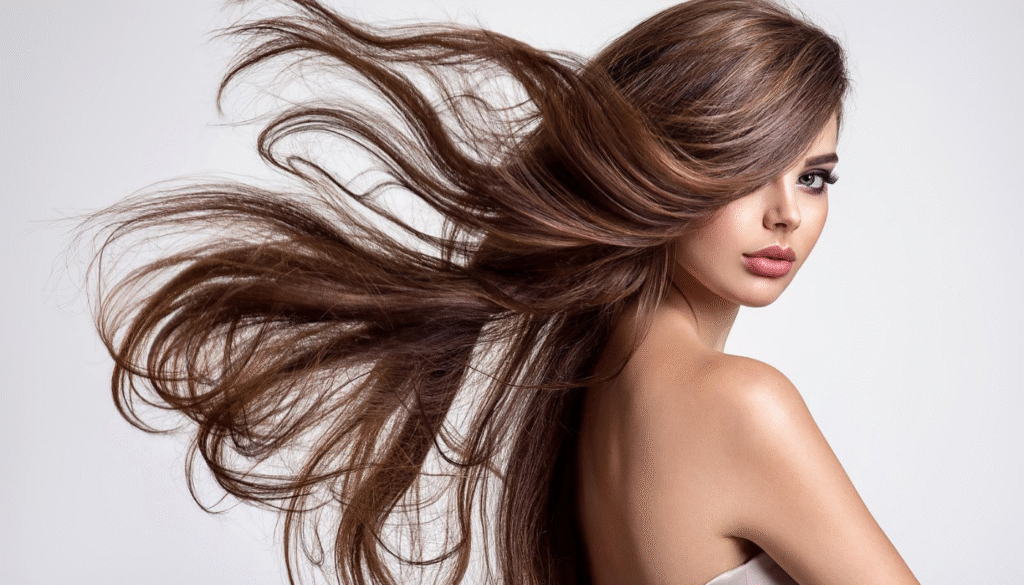
Hair care is an essential part of maintaining overall personal hygiene and grooming. Healthy hair not only enhances appearance but also boosts confidence, reflecting your lifestyle and well-being. In today’s fast-paced world, pollution, stress, poor nutrition, and frequent use of styling tools often lead to common hair problems like dryness, frizz, dandruff, hair fall, and split ends. This makes a consistent and mindful hair-care routine more important than ever.
Table of Contents
1. Know Your Hair Type
Before starting you hair care routine, it’s essential to understand your hair type. Hair can be straight, wavy, curly, or coily—and each type needs different care.
- Straight hair gets oily fast and needs regular cleansing.
- Wavy hair needs hydration to prevent frizz.
- Curly and coily hair require extra moisture because they tend to be dry.
Knowing your hair texture, thickness, and scalp condition (oily, dry, or combination) helps you choose the right products and treatments.
2. Choose the Right Shampoo
Shampooing removes dirt, excess oil, and product build-up. But using the wrong shampoo can strip natural oils and cause dryness.
- If you have oily hair, choose a clarifying or balancing shampoo.
- For dry scalp, use gentle, moisturizing shampoos with ingredients like aloe vera or coconut milk.
- If you have dandruff, use anti-dandruff shampoos containing zinc pyrithione or ketoconazole.
A good rule is to shampoo 2–3 times a week. Overwashing can weaken roots, while under-washing can clog follicles.
3. Never Skip Conditioner
Conditioner is essential for smooth, tangle-free hair. It restores moisture lost during shampooing and protects the hair shaft.
How to use conditioner properly:
- Apply only from mid-length to ends, not on the scalp.
- Leave it for 2–3 minutes before rinsing.
- Choose conditioners with nourishing ingredients like shea butter, argan oil, keratin, or glycerin.
For extremely dry or frizzy hair, deep-conditioning once a week works wonders.
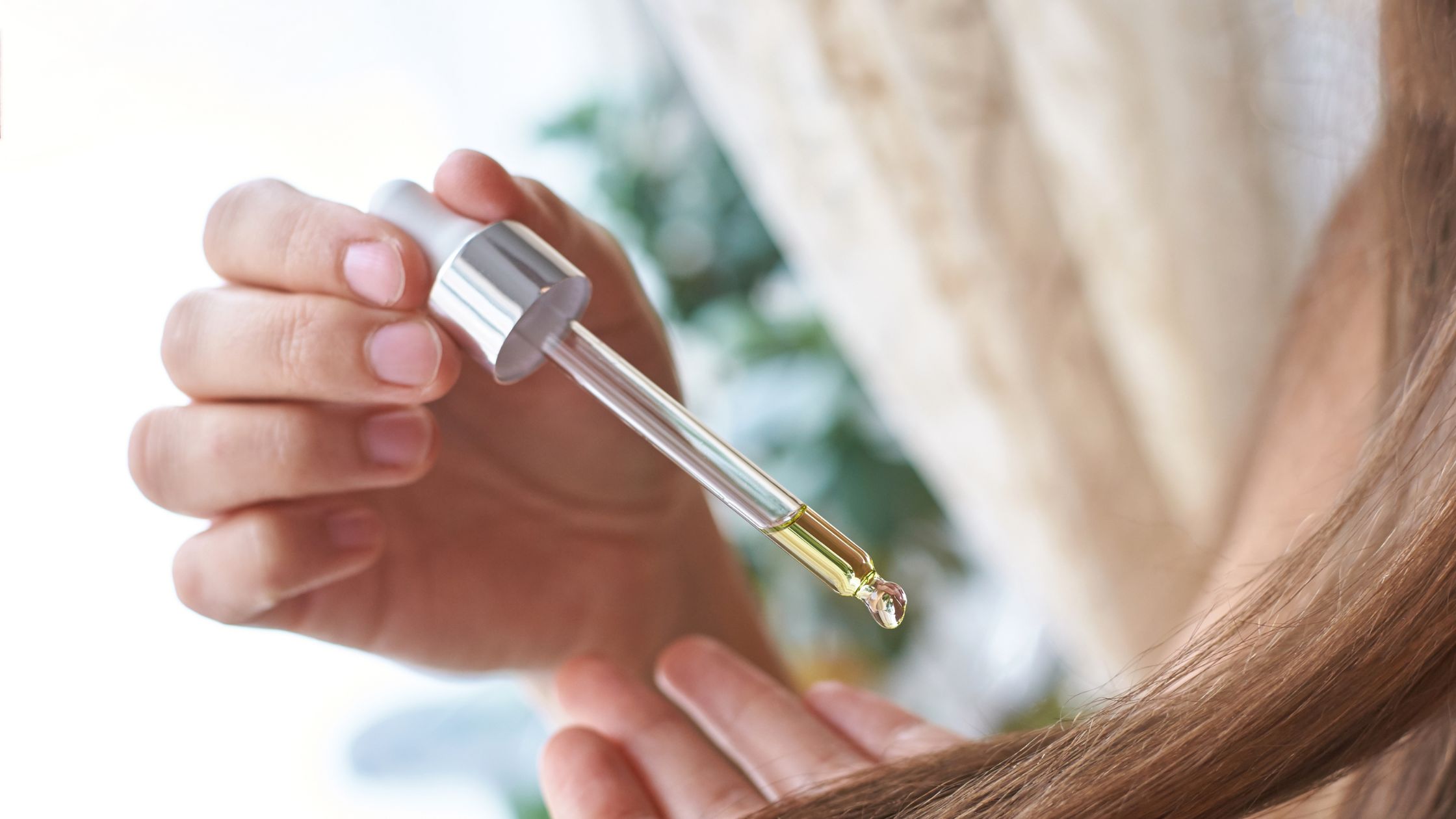
4. Weekly Oil Massage for Nourishment
In India, oiling is a traditional yet highly effective hair care practice. A warm oil massage improves blood circulation, strengthens roots, and prevents breakage.
Some excellent oils for hair:
- Coconut oil – deeply nourishing, reduces protein loss
- Almond oil – rich in vitamin E
- Castor oil – promotes thicker hair growth
- Olive oil – great for dry and damaged hair
- Bhringraj or Amla oil – Ayurvedic oils for strengthening roots
Apply warm oil to your scalp, massage gently for 5–10 minutes, and leave it on for at least 1 hour before washing.
Also read: Top 5 Best Way to Reduce the Weight Loss (Expert Review)
5. Use a Hair Mask Once a Week
A hair mask gives deep hydration and repairs damage. You can use store-bought masks or natural DIY masks.
DIY masks:
- Curd + Honey – for soft, shiny hair
- Aloe Vera Gel + Coconut Oil – for frizz control
- Banana + Olive Oil – for dry, brittle hair
- Egg + Yogurt – for protein boost (avoid if hair is very oily)
A weekly mask helps improve texture, shine, and strength.

6. Avoid Excessive Heat Styling
Heat styling tools like straighteners, curling irons, and blow dryers damage the hair cuticle over time.
If you must use heat:
- Always apply a heat protectant spray.
- Use the lowest heat setting possible.
- Avoid using heat tools more than twice a week.
Let your hair air-dry whenever possible.
7. Protect Your Hair from Sun and Pollution
Just like skin, your hair also needs protection.
- Wear a scarf or cap when stepping out for long hours.
- Use a leave-in serum to shield against UV rays and pollution.
- Rinse your hair after swimming to remove chlorine.
This prevents dryness, discoloration, and breakage.
8. Trim Your Hair Regularly
Split ends are a major reason hair looks dull and rough. Trimming every 6–8 weeks helps maintain healthy ends and prevents breakage from traveling up the strand.
9. Eat a Hair-Friendly Diet
Hair health starts from within. A nutritious diet promotes strong, healthy growth.
Include:
- Protein-rich foods: eggs, dal, tofu, fish
- Healthy fats: nuts, seeds, avocados
- Iron-rich foods: spinach, beetroot, methi
- Biotin sources: peanuts, bananas, whole grains
Drink plenty of water to keep the scalp hydrated.
10. Follow Healthy Hair Habits
Some simple habits can make a big difference:
- Use a microfiber towel or an old cotton T-shirt to dry hair gently.
- Avoid brushing wet hair—use a wide-tooth comb instead.
- Sleep on a silk or satin pillowcase to reduce friction.
- Avoid tight hairstyles that pull on the roots.
Consistency with these habits brings long-term results.
Conclusion
A good hair care routine doesn’t require expensive products—just consistency, the right techniques, and understanding what your hair needs. From choosing the correct shampoo to weekly oiling, masks, and healthy eating, every step contributes to stronger, shinier, and healthier hair. Follow this routine regularly, and you will notice visible improvements in texture, strength, and overall hair growth.
Also read: Best Hair Care Routine to Follow: What Dermatologists Recommend for Every Hair Type