
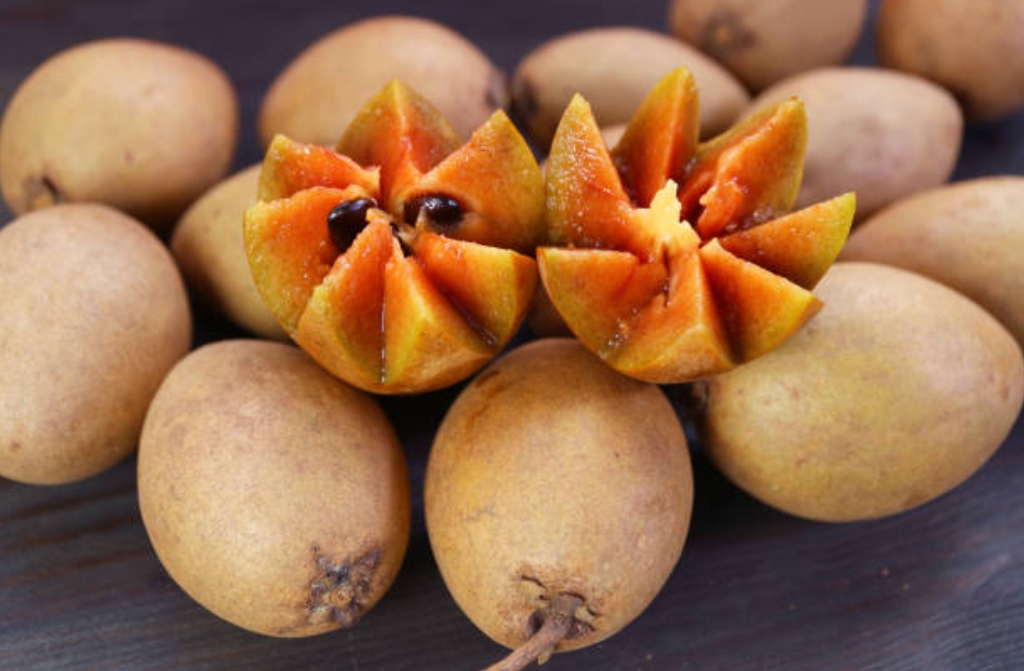
Sapodilla
Sapodilla, commonly known as chikoo in India and sapota, is a sweet, grainy tropical fruit loved for its caramel-like flavour. Native to Central America, sapodilla is now widely cultivated in India, Thailand, Sri Lanka, and other tropical regions.
Beyond its delicious taste, sapodilla is packed with nutrients and offers numerous health benefits, making it a valuable addition to a balanced diet.
Table of Contents
Nutritional Value of Sapodilla
Sapodilla is an energy-rich fruit that provides essential vitamins, minerals, and dietary fiber. It contains natural sugars like fructose and sucrose, which provide instant energy. The fruit is also a good source of vitamin C, vitamin A, vitamin B-complex, potassium, iron, calcium, and magnesium. Its high fiber content supports digestion and gut health.
Health Benefits of Sapodilla
1. Improves Digestive Health
Sapodilla is rich in dietary fiber, which helps regulate bowel movements and prevents constipation. The fiber also protects the colon lining and supports overall digestive health. Consuming sapodilla regularly can help soothe stomach issues such as acidity and bloating.
2. Boosts Energy Levels
Due to its high natural sugar content, sapodilla is an excellent source of instant energy. It is especially beneficial for children, athletes, and individuals recovering from illness or fatigue. Eating sapodilla before or after physical activity helps replenish lost energy.

3. Strengthens Immunity
Sapodilla contains vitamin C and antioxidants that help strengthen the immune system. These nutrients protect the body against infections, free radicals, and seasonal illnesses such as colds and flu.
Also Read: Health Benefits of Radish
4. Supports Bone Health
The fruit provides essential minerals like calcium, phosphorus, and magnesium, which are vital for maintaining strong bones and teeth. Regular consumption of sapodilla can help reduce the risk of bone-related disorders such as osteoporosis, especially in older adults.
5. Good for Skin Health
Sapodilla is rich in antioxidants and vitamin E, which help fight signs of aging like wrinkles and fine lines. It promotes skin hydration and supports skin repair. The latex extracted from sapodilla seeds has traditionally been used in skincare remedies.
6. Helps in Weight Management
Although sapodilla is sweet, its high fiber content promotes a feeling of fullness, reducing unnecessary snacking. When eaten in moderation, sapodilla can be part of a healthy weight management plan.
Also Read: Top 8 Healthy Snacks for Weight Loss
7. Beneficial for Heart Health
Potassium present in sapodilla helps regulate blood pressure by balancing sodium levels in the body. The fiber content also aids in reducing bad cholesterol (LDL), thereby lowering the risk of heart disease.
8. Supports Eye Health
Sapodilla contains vitamin A, which is essential for maintaining good vision. Regular intake helps protect the eyes from dryness, night blindness, and age-related eye disorders.
Sapodilla for Children and Elderly
Sapodilla is an excellent fruit for both children and elderly people due to its soft texture and easy digestibility. For children, it supports growth and provides energy, while for older adults, it aids digestion and strengthens bones.
Uses of Sapodilla
- Fresh consumption: Most commonly eaten raw when fully ripe
- Milkshakes and smoothies: Popular in Indian households
- Desserts: Used in ice creams, puddings, and custards
- Traditional medicine: Seeds and bark are used in Ayurveda for various remedies
Precautions and Side Effects
While sapodilla is healthy, overconsumption may cause digestive discomfort due to its high sugar and fiber content. Unripe sapodilla should be avoided, as it contains high levels of tannins that can cause throat irritation and stomach issues.
How to Select and Store Sapodilla
Choose sapodillas that are slightly soft to the touch and free from blemishes. Unripe fruits can be ripened at room temperature. Once ripe, sapodilla should be consumed within 2–3 days or stored in the refrigerator to extend freshness.
Frequently Asked Questions (FAQ)
Q1. Is sapodilla good for diabetes?
Sapodilla contains natural sugars, so people with diabetes should consume it in moderation and consult a healthcare professional.
Q2. Can sapodilla be eaten daily?
Yes, sapodilla can be eaten daily in moderate amounts as part of a balanced diet.
Q3. Is sapodilla good during pregnancy?
Yes, sapodilla is beneficial during pregnancy as it helps with digestion and provides essential nutrients, but portion control is important.
Q4. Can children eat sapodilla?
Absolutely. Sapodilla is nutritious for children and supports growth and energy needs.
Q5. What is the best time to eat sapodilla?
Sapodilla is best eaten during the day, especially in the morning or afternoon, for better digestion.
Q6. Does
Sapodilla helps in weight gain?Yes, due to its calorie content, sapodilla can help with healthy weight gain when consumed regularly.
Also Read: What Are the Health Benefits of Sapodillas?