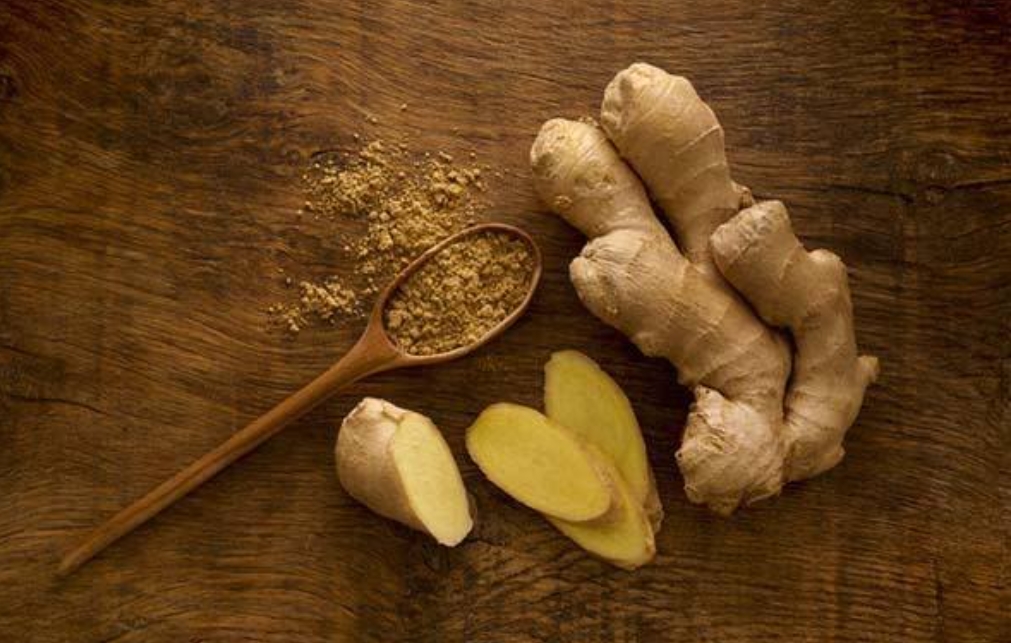
How Much Ginger for Gut Health?
Ginger has been used for centuries as a natural remedy for digestive problems. From soothing bloating and gas to improving digestion and reducing inflammation, ginger plays a powerful role in supporting gut health. But a common question many people ask is: how much ginger should you consume for gut health to get the benefits without side effects?
In this article, we’ll explore the ideal dosage of ginger for digestive health, its gut-healing benefits, different forms of ginger, and important safety tips.
Table of Contents
Why Ginger Is Good for Gut Health
Ginger contains active compounds such as gingerol, shogaol, and zingerone, which give it strong anti-inflammatory, antioxidant, and digestive-stimulating properties. These compounds help the digestive system function smoothly in several ways:
- Stimulates digestive enzymes and bile production
- Reduces bloating and gas
- Improves gut motility and prevents constipation
- Relieves nausea and indigestion
- Helps calm inflammation in the gut lining
Ginger is especially beneficial for individuals experiencing indigestion, acid reflux, IBS-related discomfort, and slow digestion.
How Much Ginger Is Ideal for Gut Health?
The right amount of ginger depends on the form you consume and your individual tolerance. Below are general, safe daily dosage guidelines supported by traditional use and research.
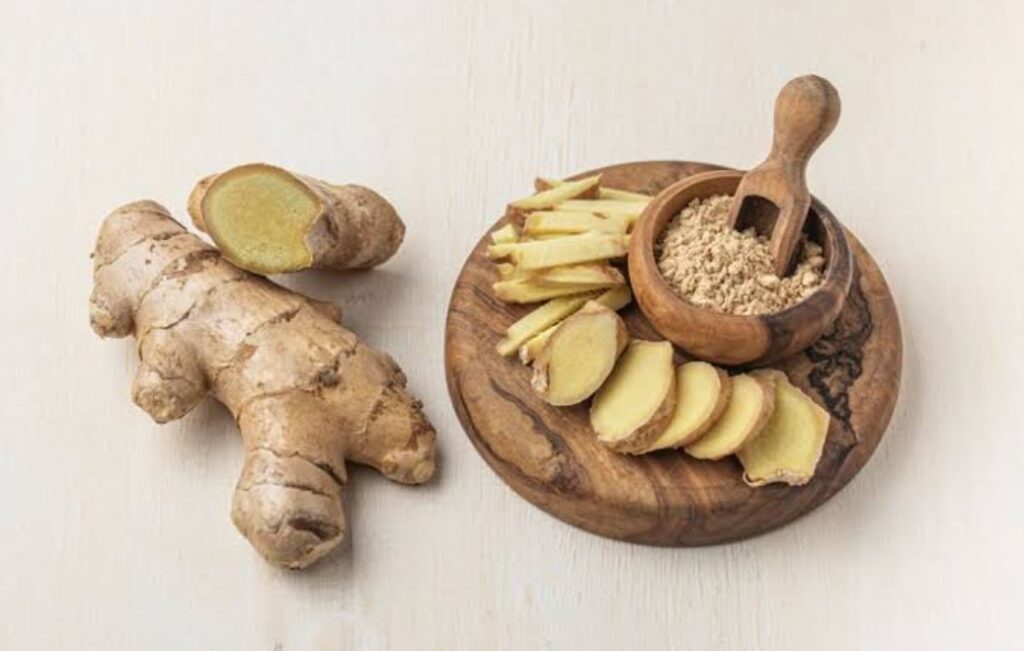
1. Fresh Ginger Root
- Recommended amount: 1 to 2 grams per day
- This equals about ½ to 1 teaspoon of freshly grated ginger
Fresh ginger is gentle on the stomach and works well for daily digestive support. Consuming small amounts consistently is more beneficial than taking large quantities at once.
Also Read: Ginger Health Uses: Top 9 Benefits of Ginger for a Healthy Body
2. Ginger Powder (Dry Ginger)
- Recommended amount: ½ to 1 teaspoon per day
- Equivalent to 1–2 grams
Ginger powder is more concentrated than fresh ginger. It can be added to warm water, herbal teas, or food. Start with a smaller dose if you are new to ginger.
3. Ginger Tea
- Recommended amount: 1 to 2 cups per day
- Made using ½ to 1 teaspoon grated ginger per cup
Ginger tea is one of the best ways to improve gut health. It soothes the stomach, improves digestion, and reduces bloating. Drinking it after meals works especially well.
4. Ginger Supplements or Capsules
- Recommended amount: 500–1000 mg per day
- Can be taken once or divided into two doses
Supplements are convenient but should be taken carefully. Always follow the manufacturer’s instructions and consult a healthcare provider if you take medications.
Also Read: Top 8 Ginger Turmeric Health Benefits: A Powerful Natural Healing Duo
Best Time to Take Ginger for Digestive Health
Timing plays an important role in how effective ginger is for the gut.
- Before meals: Helps stimulate digestive enzymes and prevents bloating
- After meals: Relieves gas, heaviness, and indigestion
- Morning (empty stomach): Ginger water can kick-start digestion and improve gut motility
For sensitive stomachs, it’s best to take ginger with or after food.
How Ginger Improves Gut Function
Supports Healthy Gut Motility
Ginger helps food move efficiently through the digestive tract. This prevents slow digestion, constipation, and bloating.
Reduces Gut Inflammation
Chronic inflammation in the gut can lead to discomfort and digestive disorders. Ginger’s anti-inflammatory properties help calm the intestinal lining.
Balances Gut Microbiome
Some studies suggest ginger supports the growth of beneficial gut bacteria while limiting harmful microbes, contributing to better overall gut health.
Relieves Gas and Bloating
Ginger relaxes intestinal muscles, allowing trapped gas to pass more easily and reducing abdominal discomfort.
Can You Take Too Much Ginger?
Yes, excessive ginger consumption may cause side effects, especially in sensitive individuals.
Possible Side Effects of Too Much Ginger
- Heartburn or acid reflux
- Stomach irritation
- Diarrhea
- Mouth or throat irritation
Most experts recommend not exceeding 4 grams of ginger per day from all sources combined.
Who Should Be Careful With Ginger?
While ginger is safe for most people, some should consume it cautiously:
- People with acid reflux or ulcers
- Those taking blood-thinning medications
- Individuals with gallstones
- Pregnant women (limit to small amounts unless advised by a doctor)
If you experience discomfort, reduce the dose or stop temporarily.
Best Ways to Use Ginger for Gut Health
- Ginger tea after meals
- Warm ginger water in the morning
- Add grated ginger to soups, dals, and curries
- Ginger with lemon and honey
- Ginger powder mixed with warm water
Consistency is more important than quantity when it comes to gut health benefits.
FAQs: Ginger for Gut Health
How much ginger should I take daily for digestion?
1–2 grams of ginger per day is ideal for supporting digestion and gut health.
Is ginger good for IBS and bloating?
Yes, ginger may help reduce bloating, gas, and abdominal discomfort associated with IBS.
Can ginger worsen acid reflux?
In small amounts, ginger can help digestion, but excessive intake may worsen acid reflux in some people.
Is ginger tea better than raw ginger?
Ginger tea is gentler on the stomach and easier to digest, making it a good option for sensitive guts.
How long does ginger take to improve gut health?
Many people notice reduced bloating and better digestion within a few days of regular use.
Conclusion
Ginger is a powerful and natural remedy for improving gut health when used in the right amount. Consuming 1–2 grams of ginger daily, whether as fresh ginger, powder, or tea, can significantly support digestion, reduce bloating, and improve overall gut function.
As with any natural remedy, moderation and consistency are key. Start small, listen to your body, and enjoy the digestive benefits ginger has to offer.
Also Read: 5 Health Benefits of Ginger