A high-protein diet has become one of the most popular nutritional approaches for weight loss, muscle building, and overall wellness. Whether you are trying to lose body fat, increase strength, or simply improve your daily energy levels, a well-balanced protein-rich diet can make a huge difference.
Protein is the building block of muscles, bones, skin, and almost every vital function in the body. Including adequate protein in every meal not only supports physical performance but also keeps you full for long hours, reducing unnecessary cravings. In this blog, we will explore the benefits of a high-protein diet and give you a simple, practical plan you can follow every day.
Table of Contents
Why Protein Is Important
Protein plays several essential roles in the body. It repairs tissues, supports immune function, and helps maintain healthy hair, skin, and nails. Unlike carbohydrates that provide energy immediately, protein digests slowly, helping you stay fuller for longer. This slow digestion stabilizes blood sugar levels and controls hunger hormones, which is especially helpful if you’re trying to lose weight. For people who exercise regularly or aim to build muscle mass, protein becomes even more crucial because it helps in muscle recovery and growth after workouts.
Another benefit of a high-protein diet is that it boosts metabolism. When you eat protein, your body burns more calories for digestion through a process known as the thermic effect of food. As a result, protein-rich foods naturally help in managing weight more efficiently compared to carbs or fats.
Recommended Daily Protein Intake
Protein needs vary according to age, gender, weight, and activity levels. However, a general guideline is:
Average adults: 0.8–1 gram of protein per kg of body weight
Active individuals: 1.2–1.5 grams per kg
Athletes or muscle-building goals: 1.6–2 grams per kg
For example, if you weigh 70 kg and exercise regularly, you may need around 90–120 grams of protein daily. You can easily meet this requirement by choosing the right foods in each meal.
Best High-Protein Foods to Include
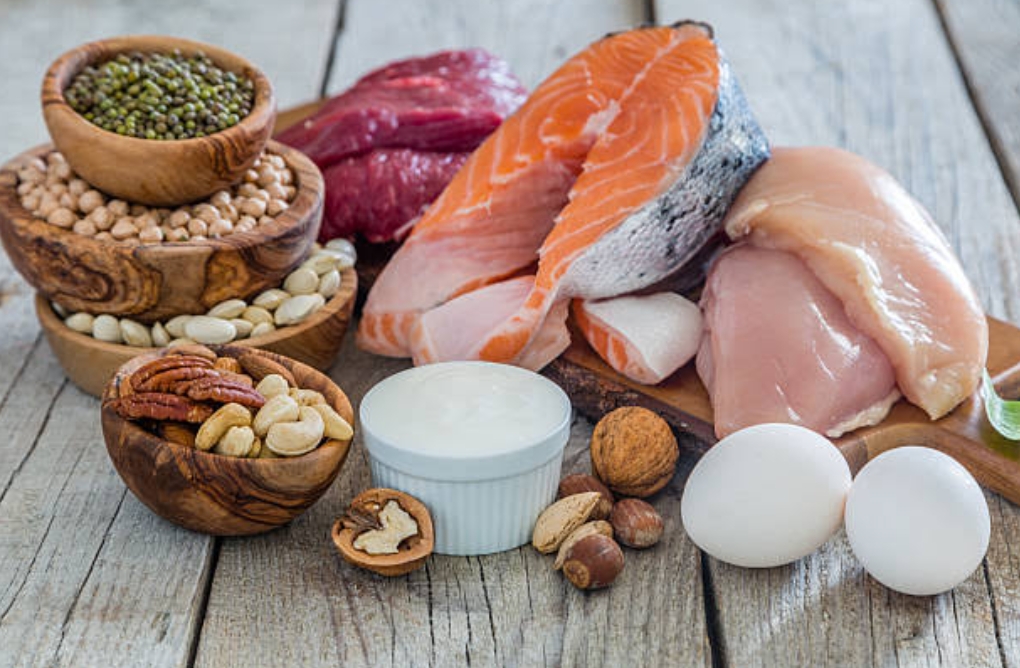
A good high-protein diet is not just about eating chicken or eggs. There are plenty of animal-based and plant-based protein sources that can fit into any lifestyle. Here are some excellent choices:
Animal-Based Protein Sources
Eggs: A complete protein with essential amino acids
Chicken breast: Lean and very high in protein
Fish: Salmon, tuna, and sardines provide omega-3 fats along with protein
Lean meat: Mutton, turkey, and beef
Milk & curd: Easy to digest and great for bone health
Paneer & cheese: Rich in protein and calcium
Greek yogurt: Protein-dense and low in fat
Plant-Based Protein Sources
Lentils & dals: Toor dal, masoor dal, moong dal
Chickpeas & kidney beans: Packed with protein and fiber
Include a combination of animal and plant proteins.
Stay hydrated because protein digestion requires water.
Avoid deep-fried or overly processed protein foods.
Choose lean meats instead of fatty cuts.
Combine protein with vegetables for better digestion.
Final thoughts
A high-protein diet plan can transform your health when followed consistently and balanced with good fats, fiber, and moderate carbs. It helps you stay energetic, controls hunger, and supports a fit lifestyle. Whether your goal is weight loss, muscle gain, or general wellness, including more protein in your diet is a smart and sustainable approach. Just ensure you choose wholesome sources and pair your diet with regular exercise and proper sleep. With the right plan, a high-protein lifestyle can be easy, tasty, and truly rewarding.
As winter arrives, so do chilly winds, dropping temperatures, and a greater risk of getting sick. While winter has its charm—cosy blankets, hot beverages, and…
When it comes to weight loss, the idea of a “magic pill” is incredibly appealing—and yet, unfortunately, reality is far more complex. If you’re looking…