If you are looking for a natural solution to boost hair growth, reduce hair fall, and improve scalp health, hibiscus oil might be your perfect answer. Known as the “flower of hair care” in Ayurveda, hibiscus has been used for centuries to promote thick, long, and healthy hair.
Rich in nutrients and powerful antioxidants, hibiscus oil nourishes the scalp, strengthens hair roots, and supports faster hair growth naturally.
In this blog, let’s explore the benefits, how it works, and how to use hibiscus oil effectively for hair growth.
Table of Contents
What Is Hibiscus Oil?
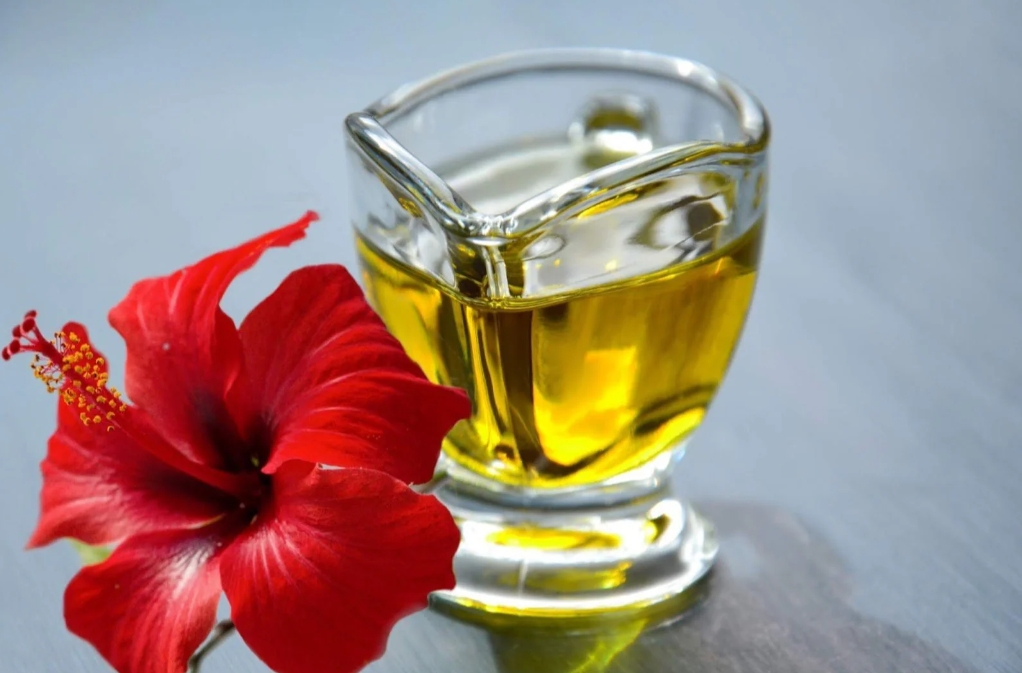
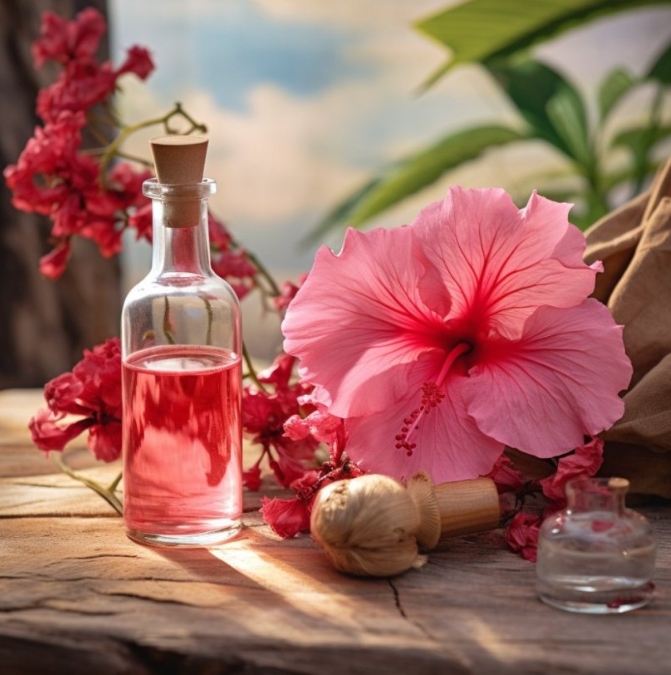
Hibiscus oil is made by infusing hibiscus flowers and leaves in a carrier oil like coconut oil, sesame oil, or almond oil. The vibrant red flower is packed with vitamins, amino acids, and natural acids that stimulate hair follicles and improve scalp circulation.
Both hibiscus flowers and leaves are beneficial, but flowers are especially known for promoting hair growth and preventing premature graying.
Also Read:Sea Buckthorn Oil Benefits
Nutritional Value of Hibiscus for Hair
Hibiscus contains:
- Vitamin C – Boosts collagen production and strengthens hair strands
- Amino acids – Nourish hair roots and improve keratin production
- Antioxidants – Protect hair from damage
- Natural AHAs (Alpha Hydroxy Acids) – Cleanse scalp and remove buildup
- Flavonoids – Improve blood circulation in the scalp
These nutrients work together to create a healthy environment for hair growth.
Also Read: 9 Clove Oil Benefits
Top Benefits of Hibiscus Oil for Hair Growth
1. Stimulates Hair Growth
Hibiscus oil increases blood circulation in the scalp. Better blood flow means more nutrients reach the hair follicles, encouraging faster and thicker hair growth.
2. Reduces Hair Fall
Weak roots are one of the major causes of hair fall. Hibiscus oil strengthens hair follicles and reduces breakage from the roots.
3. Prevents Dandruff
Its natural antifungal and antibacterial properties help fight dandruff and scalp infections. A clean scalp promotes healthy hair growth.
4. Conditions Hair Naturally
Hibiscus acts as a natural conditioner. It makes hair soft, smooth, and manageable without harmful chemicals.
5. Prevents Premature Graying
Regular use of hibiscus oil may help maintain natural hair color by nourishing the scalp and strengthening hair strands.
6. Repairs Damaged Hair
Hibiscus oil helps repair dry, brittle, and chemically treated hair by deeply moisturizing the strands.
How to Make Hibiscus Oil at Home
Making hibiscus oil at home is simple and chemical-free.
Ingredients:
- 8–10 fresh hibiscus flowers
- A handful of hibiscus leaves
- 1 cup coconut oil
Method:
- Wash and dry the flowers and leaves.
- Grind them into a paste.
- Heat coconut oil in a pan on low flame.
- Add the hibiscus paste and simmer for 5–7 minutes.
- Turn off the heat and let it cool.
- Strain and store in a glass bottle.
Your homemade hibiscus oil is ready to use!
How to Use Hibiscus Oil for Hair Growth
1. Scalp Massage
Warm the oil slightly and massage it into your scalp using circular motions for 5–10 minutes. Leave it overnight or at least for 1–2 hours before washing.
2. Weekly Hair Treatment
Apply hibiscus oil from roots to tips once or twice a week for best results.
3. Hibiscus Oil Hair Mask
Mix hibiscus oil with yogurt or aloe vera gel and apply as a hair mask. Leave for 30 minutes and wash with mild shampoo.
Who Can Use Hibiscus Oil?
Hibiscus oil is suitable for:
- Dry and frizzy hair
- Hair fall problems
- Slow hair growth
- Dandruff-prone scalp
- Chemically treated hair
It is generally safe for all hair types, but always do a patch test before use.
How Long Does It Take to See Results?
Hair growth is a slow process. With consistent use (1–2 times per week), you may start noticing reduced hair fall within 3–4 weeks. Visible hair growth improvements can be seen in 6–8 weeks.
Consistency is the key to natural remedies.
Tips for Best Results
- Use fresh hibiscus flowers if possible
- Massage gently to improve circulation
- Avoid chemical shampoos
- Maintain a healthy diet rich in protein and iron
- Stay hydrated
Combining hibiscus oil with a balanced diet enhances hair growth results.
Are There Any Side Effects?
Hibiscus oil is generally safe. However:
- People with very oily scalp should use it in moderation
- Always do a patch test to avoid allergic reactions
- Use mild shampoo to wash it off properly
If irritation occurs, discontinue use.
Conclusion
Hibiscus oil is a powerful, natural solution for hair growth. Packed with essential nutrients, it strengthens roots, reduces hair fall, prevents dandruff, and adds shine to your hair. Unlike chemical-based products, hibiscus oil nourishes your scalp naturally and safely.
If you are searching for a simple yet effective remedy for long, thick, and healthy hair, adding hibiscus oil to your hair care routine can make a significant difference. Remember, natural treatments require patience and consistency — but the results are worth it!
Frequently Asked Questions (FAQ)
1. Does hibiscus oil really help in hair growth?
Yes, hibiscus oil improves blood circulation in the scalp and nourishes hair follicles, which supports hair growth.
2. How often should I use hibiscus oil?
You can use it 1–2 times per week for best results.
3. Can I leave hibiscus oil overnight?
Yes, leaving it overnight allows deep nourishment. Just cover your pillow with a towel.
4. Is hibiscus oil good for dandruff?
Yes, it has antifungal properties that help reduce dandruff and scalp irritation.
5. Can hibiscus oil stop hair fall?
It helps strengthen hair roots and reduce breakage, which can control hair fall over time.
6. Is hibiscus oil suitable for oily hair?
Yes, but use a small quantity and wash properly to avoid buildup.
7. Can I mix hibiscus oil with other oils?
Yes, you can mix it with coconut oil, castor oil, or almond oil for added benefits.
Also Read: Health Benefits of Castor Oil