Gut and Liver Health
Seasonal changes do more than shift the weather—they influence your digestion, metabolism, immunity, and overall internal balance. The gut and liver are two of the most sensitive organs to environmental and lifestyle changes.
As temperatures, daylight hours, food availability, and activity levels vary across the year, your digestive system and detox pathways must constantly adapt.
Understanding how each season affects gut and liver health can help you make smarter dietary and lifestyle choices to stay balanced year-round.
Table of Contents
Gut health
refers to the proper functioning and balance of the digestive system, especially the stomach, intestines, and beneficial bacteria living in the gut. A healthy gut supports digestion, nutrient absorption, immunity, and even mental well-being.
When gut bacteria are balanced, it helps prevent bloating, constipation, infections, and inflammation.

Liver health
refers to the optimal functioning of the liver, a vital organ responsible for detoxifying harmful substances, producing bile for digestion, regulating blood sugar, and storing nutrients.
A healthy liver supports metabolism, energy production, and overall body balance, while poor liver health can lead to fatigue, digestive problems, and serious diseases.
Also Read: Top 5 Detox Drinks to Cleanse Your Body Naturally
Spring: Natural Detox and Gut Reset
Spring is often associated with renewal. During this time, the body tends to shift from heavier winter eating patterns to lighter, fresher foods.
Impact on Gut:
- Increased consumption of raw vegetables and fruits boosts fiber intake.
- Higher fiber supports beneficial gut bacteria growth.
- However, sudden dietary shifts can cause bloating or mild digestive discomfort.
Impact on Liver:
- The liver becomes more active in processing accumulated toxins from winter.
- Seasonal allergies may increase inflammation, placing extra load on detox pathways.
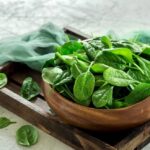
- Bitter greens like spinach, fenugreek, and mustard greens support liver function.
Tip: Gradually increase fiber intake and stay hydrated to help your gut adjust smoothly.
Summer: Hydration and Heat Stress
Hot weather significantly influences digestion and liver function. In summer, appetite often decreases, and the body focuses more on cooling mechanisms.
Impact on Gut:
- Dehydration can slow digestion and cause constipation.
- Increased risk of foodborne infections due to heat.
- Fermented foods like curd and buttermilk support gut-friendly bacteria.
Impact on Liver:
- Excessive alcohol consumption during social gatherings can strain the liver.
- Heat stress may increase oxidative stress, affecting liver cells.
- Coconut water and seasonal fruits like watermelon help maintain electrolyte balance.
Tip: Drink adequate fluids and consume probiotic-rich foods to maintain gut stability.
Autumn: Transition and Immunity Shifts
Autumn marks a transition from hot to cooler weather. The body prepares for winter by adjusting metabolism and immunity.
Impact on Gut:
- Immunity fluctuates, which may affect gut microbiota balance.
- Increased cravings for comfort foods may reduce fiber intake.
- Seasonal fruits like apples and pears provide prebiotic fibers.
Impact on Liver:
- Festive seasons often bring heavy, oily meals.
- High-fat foods increase liver workload.
- Spices such as turmeric and ginger support liver enzymes.
Tip: Balance festive indulgence with antioxidant-rich foods and regular physical activity.
Also Read: Immunity Booster Food Habits: Eat Smart to Stay Strong Naturally
Winter: Slower Digestion and Heavier Diet
Winter typically encourages heavier meals, reduced physical activity, and lower sunlight exposure.
Impact on Gut:
- Slower metabolism can cause sluggish digestion.
- Reduced movement may increase bloating and constipation.
- Soups, whole grains, and warm herbal teas improve digestion.
Impact on Liver:
- High-calorie diets increase fat storage in the liver.
- Reduced sunlight may impact vitamin D levels, indirectly influencing metabolic health.
- Garlic and cruciferous vegetables support liver detoxification.
Tip: Maintain regular movement and include warming digestive spices to support gut motility.
How Seasonal Changes Affect Gut Microbiome
Research shows that gut bacteria composition changes with seasons. Diet diversity, sunlight exposure, sleep patterns, and physical activity all influence microbiome balance.
- Winter microbiomes may favor fat and carbohydrate digestion.
- Summer microbiomes often reflect increased fruit and vegetable intake.
- Travel and seasonal infections also temporarily alter gut flora.
Maintaining a diverse, fiber-rich diet throughout the year supports microbial stability.
Seasonal Lifestyle Factors That Influence Gut and Liver
- Dietary Variations: Seasonal foods affect nutrient intake.
- Hydration Levels: Fluctuate based on temperature.
- Physical Activity: Often decreases in winter.
- Sleep Patterns: Longer nights in winter impact metabolism.
- Stress Levels: Holiday and festival seasons can increase stress hormones, affecting digestion.
Signs Your Gut or Liver Is Affected by Seasonal Change
- Bloating or constipation
- Fatigue
- Increased acidity
- Skin breakouts
- Loss of appetite
- Heaviness after meals
These symptoms are often temporary but should be monitored if persistent.
How to Protect Gut and Liver Health Year-Round
1. Eat Seasonally but Mindfully
Choose local, seasonal produce but avoid sudden drastic diet shifts.
2. Stay Hydrated
Adjust water intake based on climate and activity level.
3. Include Probiotics and Prebiotics
Curd, kefir, bananas, garlic, and onions nourish gut bacteria.
4. Support Liver with Antioxidants
Turmeric, green tea, citrus fruits, and leafy greens reduce oxidative stress.
5. Maintain Regular Movement
Even light exercise improves digestion and liver fat metabolism.
6. Manage Stress
Meditation and breathing exercises positively influence the gut-liver axis.
The Gut–Liver Connection
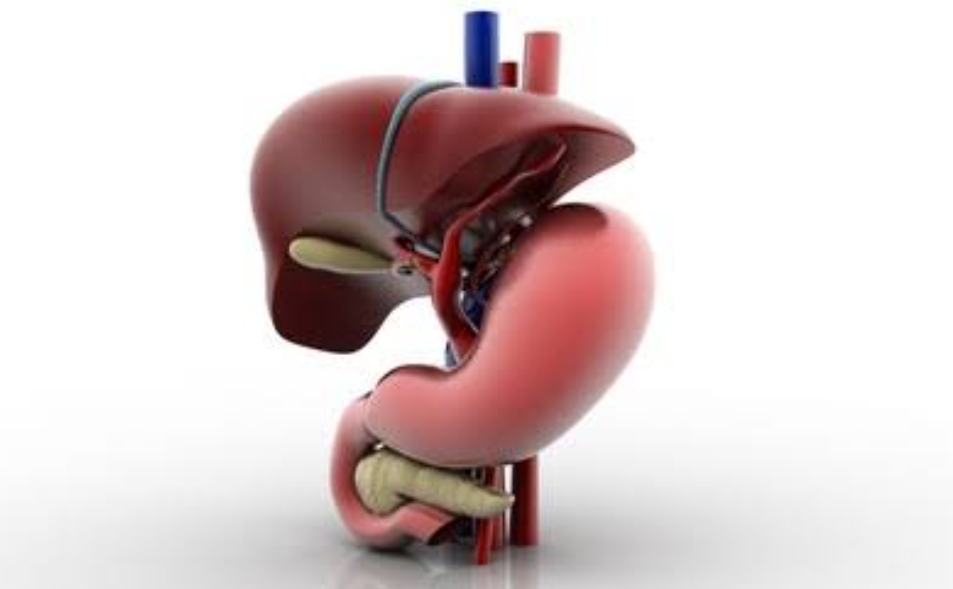
The gut and liver are closely connected through the “gut-liver axis.” Nutrients absorbed in the intestines travel directly to the liver through the portal vein. If gut bacteria become imbalanced, harmful toxins may reach the liver and increase inflammation.
Therefore, protecting gut health automatically supports liver function.
Conclusion
Seasonal changes naturally influence gut and liver health through diet, temperature, hydration, immunity, and lifestyle adjustments. While minor digestive shifts are normal, consistent healthy habits can help you adapt smoothly to each season.
By eating balanced seasonal foods, staying hydrated, supporting beneficial gut bacteria, and maintaining physical activity, you can protect both your gut and liver year-round. Listening to your body and making gradual adjustments is the key to maintaining optimal digestive and metabolic health.
FAQs
1. Can seasonal changes really affect digestion?
Yes, temperature, hydration, and dietary shifts influence gut motility and microbiome balance.
2. Why do I feel bloated more in winter?
Reduced physical activity and heavier meals can slow digestion, causing bloating.
3. Does summer heat affect liver function?
Extreme heat and dehydration can increase oxidative stress, which may mildly impact liver function.
4. How can I naturally detox my liver in spring?
Include bitter greens, hydrate well, and reduce processed foods.
5. Are probiotics necessary during seasonal transitions?
They can help maintain gut microbiome balance during dietary and environmental changes.
6. Can seasonal allergies affect gut health?
Yes, immune system changes during allergy seasons may influence gut bacteria.
7. What foods support both gut and liver health?
Fiber-rich vegetables, fermented foods, turmeric, garlic, and citrus fruits support both organs.
8. When should I see a doctor?
If digestive discomfort, fatigue, or liver-related symptoms persist for weeks, consult a healthcare professional.
Also Read: Improve Gut Health: A Road To Digestive Well Being