
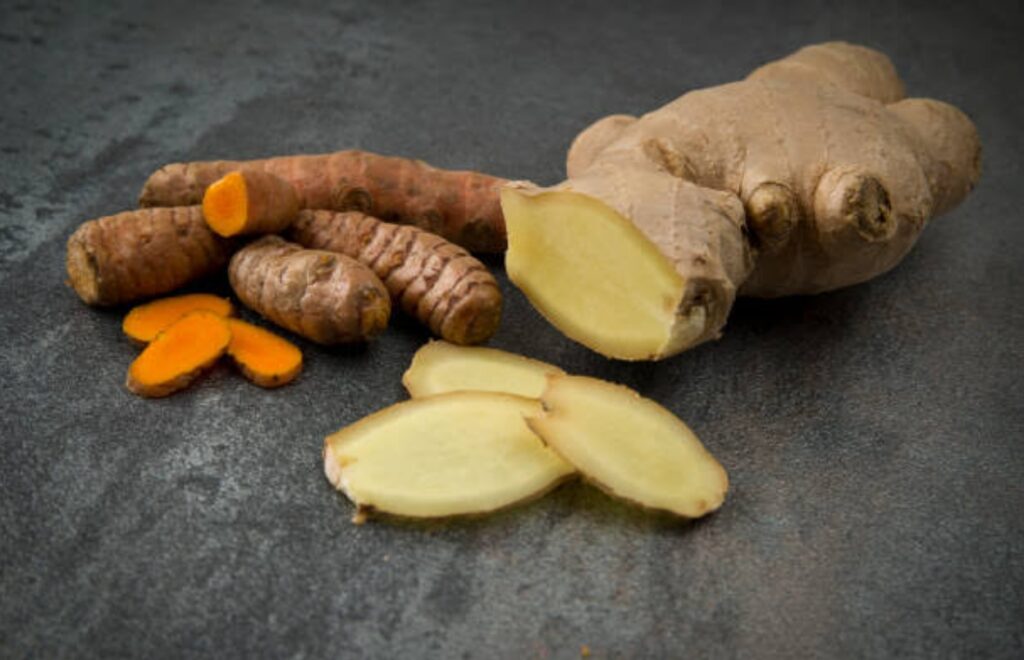
Ginger Turmeric Health Benefits
Ginger and turmeric are two of the most powerful medicinal spices used for centuries in Ayurveda, traditional Chinese medicine, and home remedies across India. Individually, both offer impressive health benefits, but when combined, their healing properties become even more potent.
From reducing inflammation to improving digestion and boosting immunity, ginger and turmeric together act as a natural wellness powerhouse.
In this blog, we will explore the top ginger turmeric health benefits, how they work together, and the best ways to include them in your daily routine.
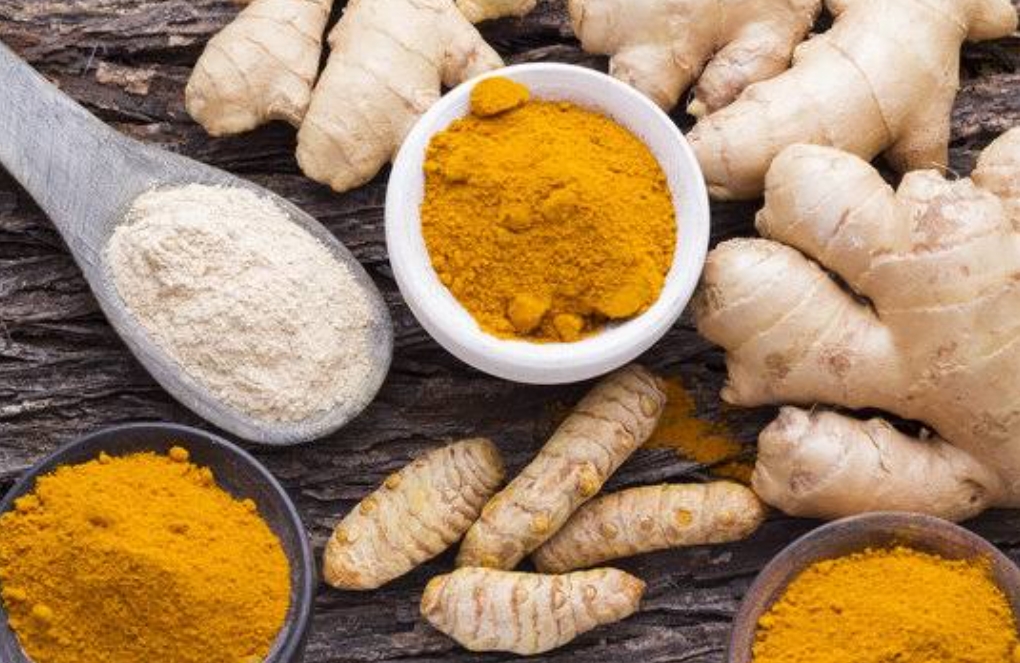
Table of Contents
Nutritional Profile of Ginger and Turmeric
Before exploring the benefits, it’s important to understand why these spices are so effective.
Ginger contains active compounds such as gingerol, which have strong anti-inflammatory and antioxidant effects.
Turmeric is rich in curcumin, a bioactive compound known for its powerful anti-inflammatory, antibacterial, and antioxidant properties.
When consumed together, ginger helps improve the absorption of curcumin, making the combination even more effective for health.
1. Powerful Anti-Inflammatory Benefits
One of the most well-known health benefits of ginger and turmeric is their ability to fight inflammation. Chronic inflammation is linked to conditions like arthritis, heart disease, diabetes, and obesity.
- Gingerol and curcumin work together to reduce inflammatory markers in the body
- Helps relieve joint pain, muscle soreness, and stiffness
- Beneficial for people suffering from arthritis and chronic pain
Regular consumption of ginger turmeric tea can naturally reduce inflammation without the side effects of painkillers.
2. Boosts Immunity Naturally
Ginger and turmeric are both immunity-boosting superfoods. Their antibacterial, antiviral, and antifungal properties help the body fight infections more effectively.
- Strengthens immune response
- Helps prevent colds, coughs, and flu
- Supports faster recovery from illness
Drinking ginger turmeric water daily can be especially helpful during seasonal changes and flu outbreaks.
Also Read: Top 10 Immunity Booster Drinks to Stay Healthy and Strong
3. Improves Digestion and Gut Health
Another major benefit of ginger turmeric is improved digestion. These spices stimulate digestive enzymes and help the gut function smoothly.
- Reduces bloating, gas, and indigestion
- Improves nutrient absorption
- Helps relieve nausea and acidity
4. Supports Weight Loss and Metabolism
For those trying to lose weight, ginger turmeric can be a valuable addition to a healthy diet.
- Boosts metabolism and fat burning
- Helps control appetite and cravings
- Reduces inflammation linked to obesity
Ginger turmeric tea or warm water taken in the morning may support gradual and sustainable weight loss when combined with exercise and balanced nutrition.
Also Read: Top 9 Low Calorie Snacks for Weight Loss
5. Enhances Heart Health
Heart health is another area where ginger turmeric health benefits shine.
- Helps lower bad cholesterol (LDL)
- Improves blood circulation
- Reduces risk of blood clots
The antioxidant properties protect blood vessels from oxidative damage, supporting overall cardiovascular health.
6. Regulates Blood Sugar Levels
Ginger and turmeric may help improve insulin sensitivity and stabilize blood sugar levels.
- Supports better glucose metabolism
- May reduce insulin resistance
- Helpful for people with prediabetes or type 2 diabetes
Regular intake should be combined with medical advice for people managing blood sugar conditions.
7. Promotes Healthy Skin and Anti-Aging
The antioxidant and anti-inflammatory properties of ginger and turmeric benefit skin health as well.
- Helps reduce acne and skin inflammation
- Slows signs of aging like wrinkles and fine lines
- Promotes a natural glow
Turmeric has been traditionally used in skincare, while ginger improves blood circulation, giving skin a healthy appearance.
8. Supports Brain Health and Memory
Curcumin in turmeric has been linked to improved brain function, while ginger may help protect against cognitive decline.
- Supports memory and focus
- May reduce risk of neurodegenerative diseases
- Helps combat oxidative stress in the brain
This makes ginger turmeric especially beneficial as part of a long-term wellness routine.
Best Ways to Consume Ginger and Turmeric
Here are some simple and effective ways to include them in your daily diet:
- Ginger Turmeric Tea: Boil fresh ginger and turmeric in water, strain, and drink warm
- Golden Milk: Mix turmeric and ginger powder with warm milk
- Morning Detox Water: Add grated ginger and turmeric to warm water with lemon
- Cooking: Use them in curries, soups, and stir-fries
Adding a pinch of black pepper enhances curcumin absorption.
Precautions and Side Effects
While ginger turmeric is safe for most people, excessive consumption may cause:
- Stomach upset
- Acid reflux
- Blood thinning effects
Pregnant women and people on blood-thinning medications should consult a doctor before regular use.
Frequently Asked Questions (FAQs)
1. What are the main health benefits of ginger and turmeric together?
Ginger and turmeric together help reduce inflammation, boost immunity, improve digestion, support heart health, regulate blood sugar levels, and promote overall wellness. Their combined antioxidants and anti-inflammatory compounds make them more effective when consumed together.
2. Is it safe to take ginger and turmeric daily?
Yes, ginger and turmeric are generally safe for daily consumption when taken in moderate amounts. Drinking ginger turmeric tea or adding them to meals regularly can support long-term health. However, excessive intake may cause stomach discomfort in some people.
3. What is the best time to consume ginger turmeric for health benefits?
The best time to consume ginger turmeric is in the morning on an empty stomach or between meals. Morning consumption may improve digestion, metabolism, and immunity. Ginger turmeric tea at night can also help reduce inflammation and promote relaxation.
4. Can ginger turmeric help with weight loss?
Yes, ginger turmeric may support weight loss by boosting metabolism, reducing inflammation, and controlling appetite. While it is not a magic solution, it can enhance weight loss results when combined with a balanced diet and regular exercise.
5. Does ginger turmeric help improve immunity?
Absolutely. Ginger and turmeric both have antibacterial, antiviral, and antioxidant properties that strengthen the immune system. Regular intake may help prevent colds, coughs, and seasonal infections.
6. Can people with diabetes consume ginger and turmeric?
Ginger and turmeric may help regulate blood sugar levels and improve insulin sensitivity. However, people with diabetes should consult their doctor before consuming them regularly, especially if they are on medication.
7. Is ginger turmeric tea good for digestion?
Yes, ginger turmeric tea is excellent for digestion. It helps relieve bloating, gas, indigestion, and nausea while supporting gut health and nutrient absorption.
8. Are there any side effects of ginger and turmeric?
When consumed in excess, ginger and turmeric may cause acidity, stomach upset, or heartburn. They may also have blood-thinning effects, so people taking blood-thinner medications should seek medical advice.
9. How can I increase turmeric absorption in the body?
Turmeric absorption improves when consumed with black pepper, which contains piperine. Adding a pinch of black pepper to ginger turmeric tea or meals enhances curcumin absorption significantly.
10. Can pregnant women consume ginger and turmeric?
Small amounts of ginger and turmeric used in cooking are generally safe during pregnancy. However, medicinal doses or supplements should only be taken after consulting a healthcare professional.
Conclusion
The combined ginger turmeric health benefits make this natural duo a powerful tool for overall wellness. From boosting immunity and digestion to supporting heart health, weight loss, and inflammation control, ginger and turmeric offer a holistic approach to better health.
Including them in your daily routine through tea, warm water, or meals is a simple yet effective way to harness their healing power naturally. As with any health practice, consistency and moderation are key to long-term benefits.
Also Read: Can Ginger and Turmeric Help Fight Pain and Sickness?